-
Guest Contributor
What’s in a Label? Lessons on Advancing Global Health Goals From Corporate Green Standards
MORE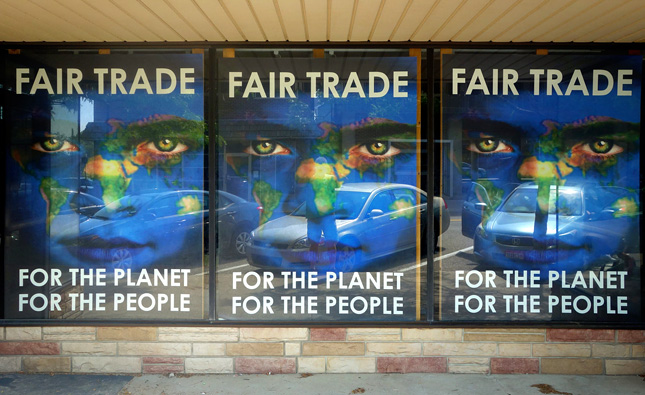
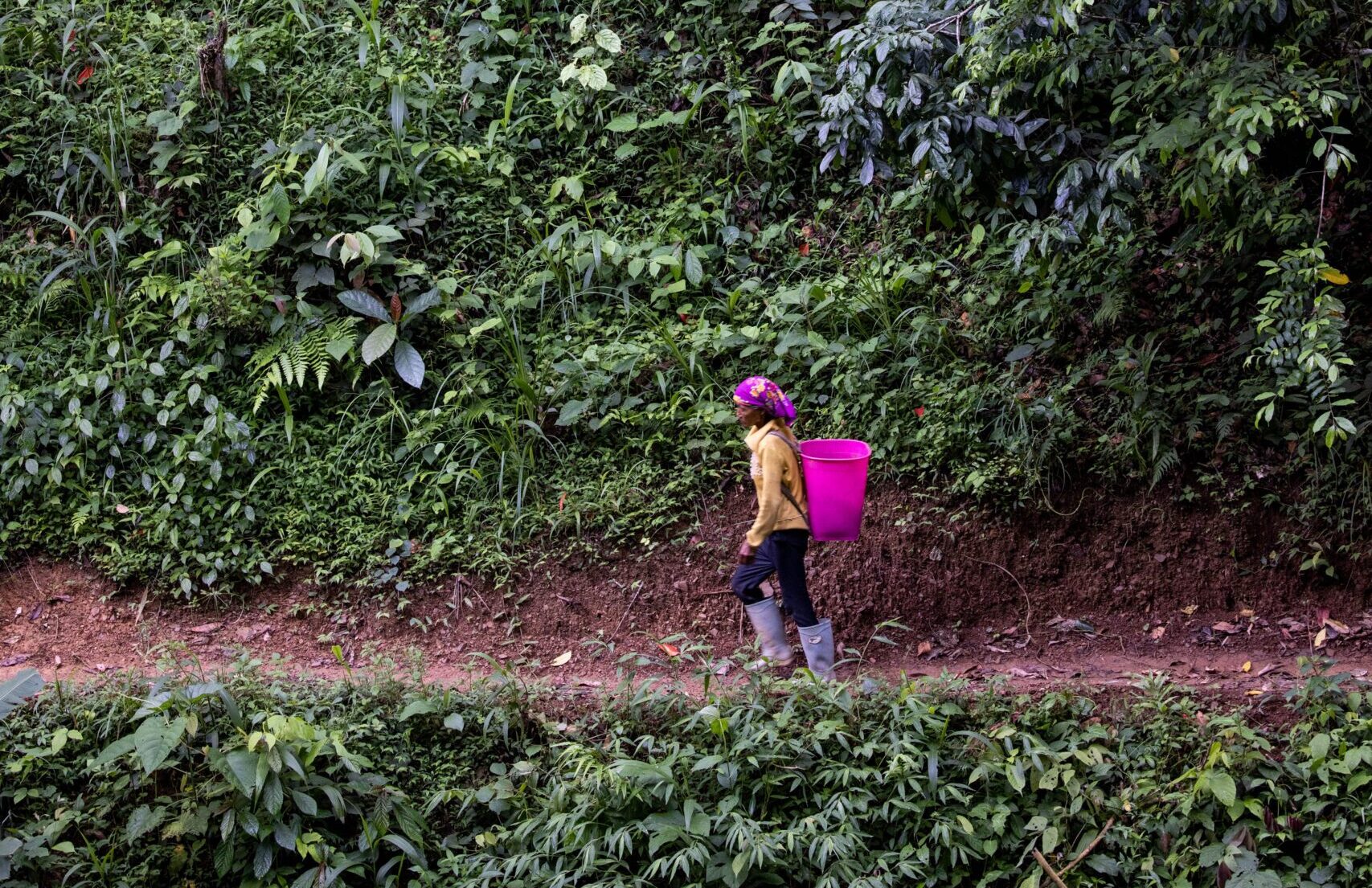
As you walk through the supermarket, you’ve probably noticed labels like “Rainforest Alliance Certified,” “Fair Trade,” or “Green Seal.” These certifications were created to help consumers use their purchasing power to reward companies that treat workers fairly and limit their harm to the environment. What’s missing is health, particularly women’s health. Too often these standards focus narrowly on occupational safety rather than addressing broader, but relevant, health needs of workers.
-
Guest Contributor
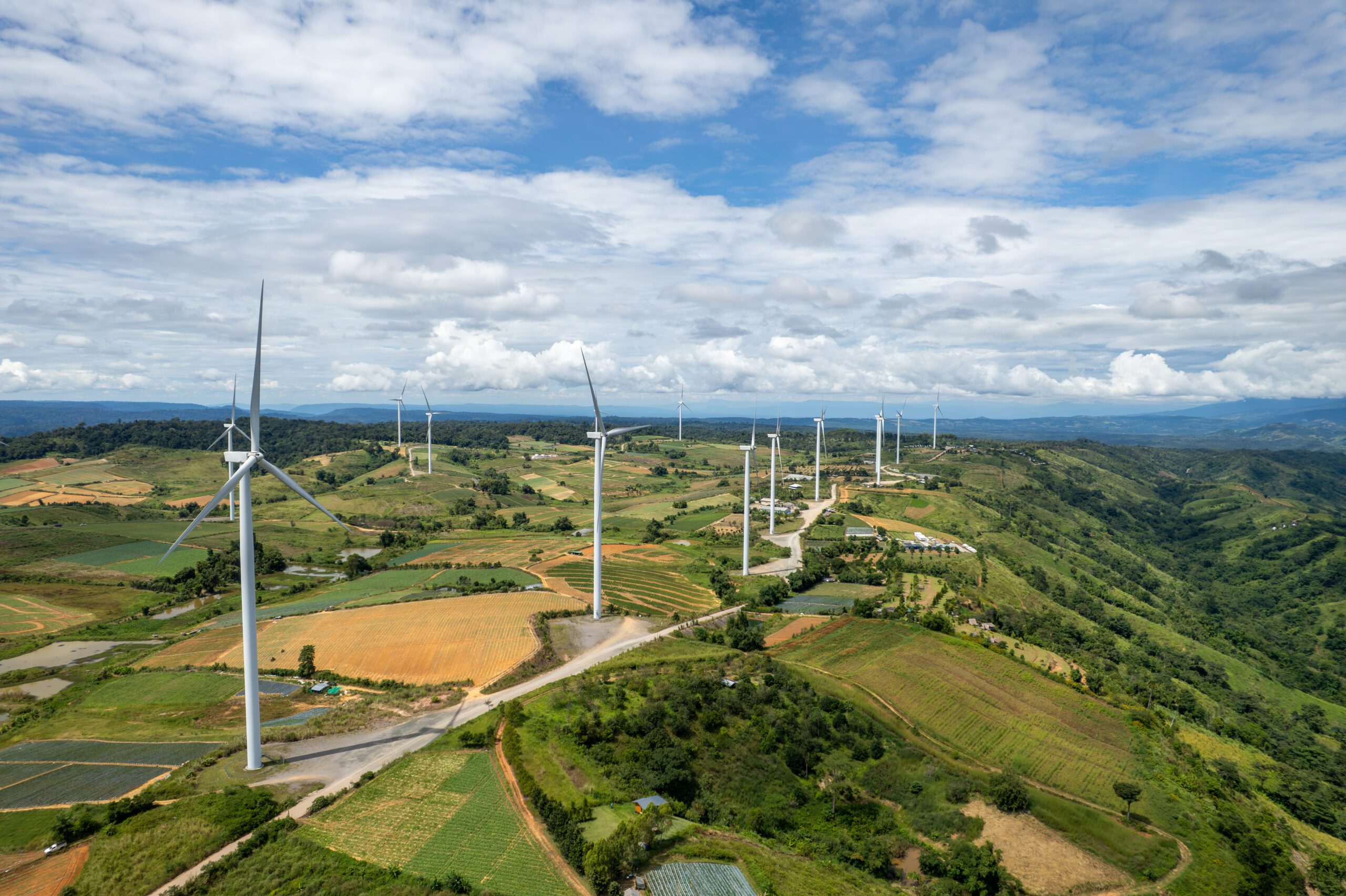
A New Oil Crisis Stress-Tests the Global Energy Transition
MORE
The US–Israeli war launched against Iran in 2026 may be remembered as the moment fossil-fuel dependence became more than a mere abstraction for the Global South. Brent crude quickly surged past $100 a barrel. Iran militarized the Strait of Hormuz (through which 20 million barrels a day, or a fifth of global oil consumption, normally flow) and retaliated against regional energy infrastructure. Qatar declared force majeure on its liquefied natural gas exports after Iranian drone attacks. Saudi Aramco’s Ras Tanura refinery shut down.
-
Eye On
Environmental Security Weekly Watch: February 23-27, 2026
MOREA window into what we’re reading at the Stimson Center’s Environmental Security Program
UN Report: One in Five Fish Products Tied to Fraud (Inside Climate News)
A new UN Food and Agriculture Organization report finds that up to 20% of fishery and aquaculture products worldwide are mislabeled. The $195 billion industry is especially vulnerable due to supply chains involving over 12,000 traded species. The study is the first of its kind for the organization, and describes a pattern of fraud that takes many forms, from coloring tuna to appear fresher, to selling farmed fish as wild-caught, to substituting cheap species for expensive ones entirely. In the US alone, as much as a third of seafood may be mislabeled, yet less than 1% of imports are ever tested.
-
China Environment Forum // Guest Contributor
From the Forests of Yunnan: Rethinking What Tea Can Be
MORE“Where is the tea?” I asked after our class had hiked through densely wooded hills for half an hour, looking around in confusion. I was among a team of Duke Kunshan University (DKU) graduate students led by Dr. Binbin Li to study tea crops grown in the tropical forests of Xishuangbanna, Yunnan Province.
-
Eye On
Environmental Security Weekly Watch: December 1-5, 2025
MOREA window into what we’re reading at the Stimson Center’s Environmental Security Program
Deforestation and Flooding Turns Fallen Timber into Projectiles in Indonesia (The New York Times)
When Cyclone Senyar struck in late November, its death toll numbered 800 people across Indonesia, Malaysia, and Thailand. The Indonesian island of Sumatra saw a particular sort of damage as the storm unleashed sixteen inches of rain in parts of the island, wiped out four villages, and triggered flash floods and landslides. Decades of razing and converting natural forests into palm oil plantations, pulpwood farms, and gold mines drastically increased the region’s vulnerability to floods and landslides to the point that timber was transformed into projectiles that destroyed residences and infrastructure.
-
China Environment Forum // Guest Contributor
In the Blindspot: Security and Chinese EV Exports to the Global South
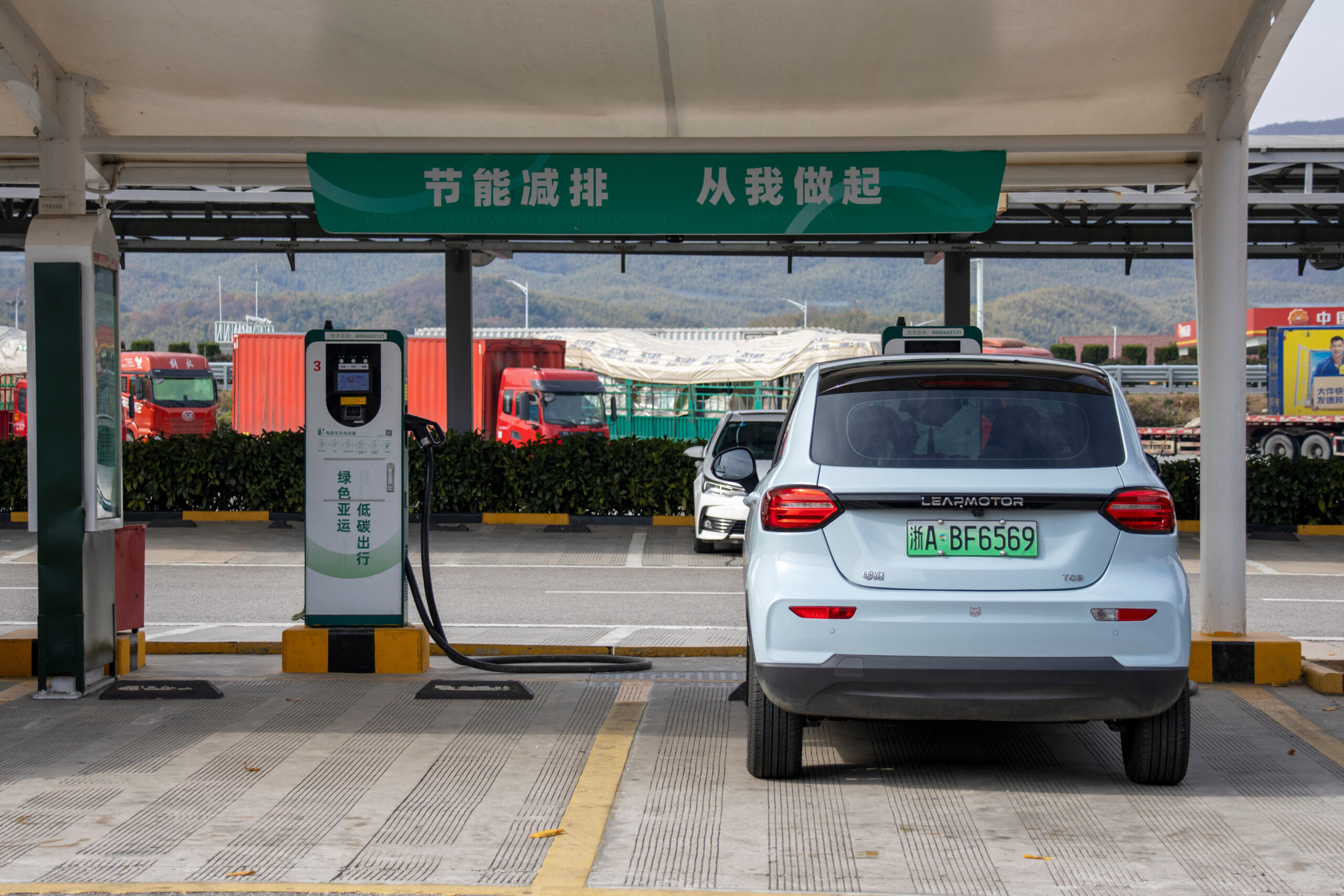
MOREThe most persuasive argument for global EV adoption is the positive impact that these vehicles have for the environment. A scientific consensus has emerged around the benefits of electric vehicles and their zero tailpipe emissions, ranging from local air quality improvement to increased energy efficiency.
-
Toxic Threads: Southeast Asia’s Textile Pollution Poses a Growing Security Threat
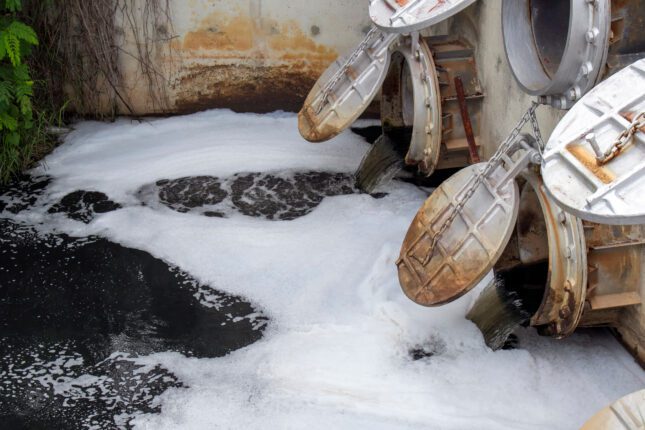
August 11, 2025 // By Md Mursalin Rahman KhandakerMOREIn today’s world of fast fashion, a $4 crop top travel across continents faster than a letter, and new trends die before a customer hits the “checkout” prompt. Yet the global obsession with cheap clothing creates apparel soaked in a cocktail of dyes, plasticizers, and forever chemicals, that linger far longer than the consumer forces that make them trendy.
The global apparel sector is valued at over $1.8 trillion, and it is the world’s second most chemical-intensive industry after agriculture. For big manufacturing hubs in Southeast Asia (particularly India, Bangladesh, Pakistan), textiles represent an economic lifeline.
-
China Environment Forum // Cool Agriculture // Guest Contributor
Tapping an Innovative Climate Solution: Upscaling Food Waste to Animal Feed in Japan and China
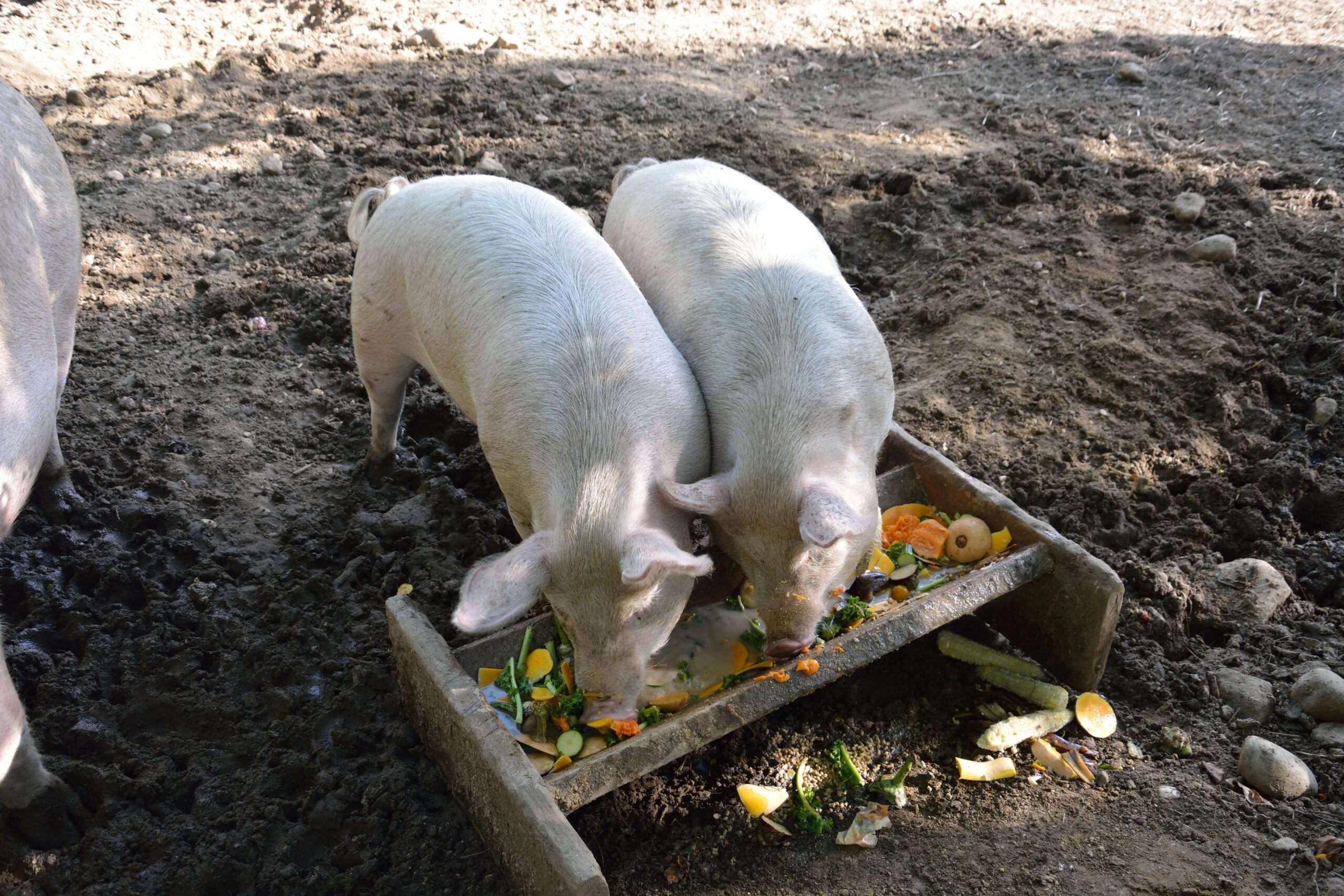
MOREThe numbers are staggering. A third of the food produced in the world is lost or wasted—from farms and food processing factories to grocery stores, restaurants, and homes. This growing mountain of rotting food is a major methane emitter, accounting for 8 to 10 percent of global greenhouse gas emissions. If food waste were a country, it would be the third largest greenhouse gas emitter, with the United States and China as leading food wasters.
 A Publication of the Stimson Center.