-
Environmental Security Weekly Watch: October 20-24, 2025
›
US Resistance Delays Vote on Shipping Decarbonization Rules (Mongabay)
The International Maritime Organization (IMO) has voted 57-49 to postpone the adoption of the “net-zero framework” until October 2026. As the shipping sector’s first binding deal on global greenhouse gas emissions, the agreement would have established progressively stricter intensity limits starting in 2028. The framework also imposed substantial fees for noncompliance, with high emitters facing up to $1.5 million in additional annual fees by 2035 that could raise fuel costs by roughly 20%. Low-emission vessels would be rewarded with tradable carbon allowances.
-
ECSP Weekly Watch | August 19 – 23
›
A window into what we are reading at the Wilson Center’s Environmental Change and Security Program
What’s Next for the Teesta Water Disputes? (The Hindu)
The recent political upheaval in Bangladesh which led to the resignation of Prime Minister Sheikh Hasina and the return of Nobel Peace Prize laureate Muhammed Yunus as leader of an interim government is not the only tumult in this nation. A worsening trend in weather events there has heightened Bangladesh’s exposure to climate shocks and allowed a dispute over the Teesta River to reemerge.
-
The Arc | Dr. Mizan Khan on Loss and Damage and Bangladesh’s Role as a Climate Adaptation Leader
›In today’s episode of New Security Broadcast, ECSP’s Claire Doyle and Angus Soderberg speak with Dr. Mizan Khan, Technical Lead at the Least Developed Countries Universities Consortium on Climate Change. Dr. Khan was formerly the Deputy Director at the International Center for Climate Change and Development (ICCCAD), a research institute based in Bangladesh.Dr. Khan describes Bangladesh’s vulnerability to climate change and its unique role as an adaptation leader. He also discusses what he believes the core principles of the Loss and Damage Fund should be, and the legacy of the late Dr. Saleemul Huq.
-
Climate Priorities in the Middle East and North Africa: Takeaways from a New Occasional Paper
›In a new Occasional Paper published by the Wilson Center’s Middle East Program and ECSP, journalist Taylor Luck examines the climate priorities of wealthy and middle-income countries in the Middle East and North Africa (MENA). Luck analyzes the policies adopted by MENA states, highlighting gaps and offering recommendations to strengthen climate action in a region strained by both instability and climate change.
-
ECSP Weekly Watch | April 8 – 12
›A window into what we are reading at the Wilson Center’s Environmental Change and Security Program
Cholera in Southern Africa Linked to Climate Threats (The New Humanitarian)
In Southern Africa, climate change is encouraging rural-to-urban migration that is also creating a public health crisis. Cholera outbreaks have infected 188,000 Southern Africans since 2022, with 4,100 deaths. Zambia currently faces the harshest impacts, with 705 reported deaths and 21,000 infections since October. Its president, Hakainde Hichilema, even called for citizens to move out of cities to prevent the spread of cholera in January—largely due to increasing concern of the diseases’ spread in informal settlements.
-
International Women’s Day 2024: Investment Can Promote Equality
›Today, March 8, is International Women’s Day (IWD). It is an annual occasion to celebrate the incredible achievements of women and girls globally, while acknowledging the work still needed to push forward to make the critical human rights issue of gender equality a reality.
-
ECSP Weekly Watch: February 12 – 16
›A window into what we are reading at the Wilson Center’s Environmental Change and Security Program
Food, Climate, and Conflict Nexus a Priority at the UN Security Council (Food and Agriculture Organization)
The United Nations Security Council’s High-Level Open Debate takes place in Guyana this week, and the signature event of that nation’s presidency is “The Impact of Climate Change and Food Insecurity on the Maintenance of International Peace and Security.” Several briefers have emphasized the interconnectedness between climate change and conflict, including Secretary-General António Guterres and UNFCCC Chair Simon Stiell.
-
Closing the Women’s Health Gap Report: Much Needed Recognition for Endometriosis and Menopause
›Women across the globe spend 25% more time in poor health and in varying degrees of disability than men, according to a new 2024 report by the World Economic Forum and the McKinsey Health Institute. Closing the Women’s Health Gap: A $1 Trillion Opportunity to Improve Lives and Economies addresses the root causes of the women’s health gap that if addressed could improve the lives of millions of women and potentially boost the global economy by $1 trillion annually by 2040.
Showing posts from category funding.
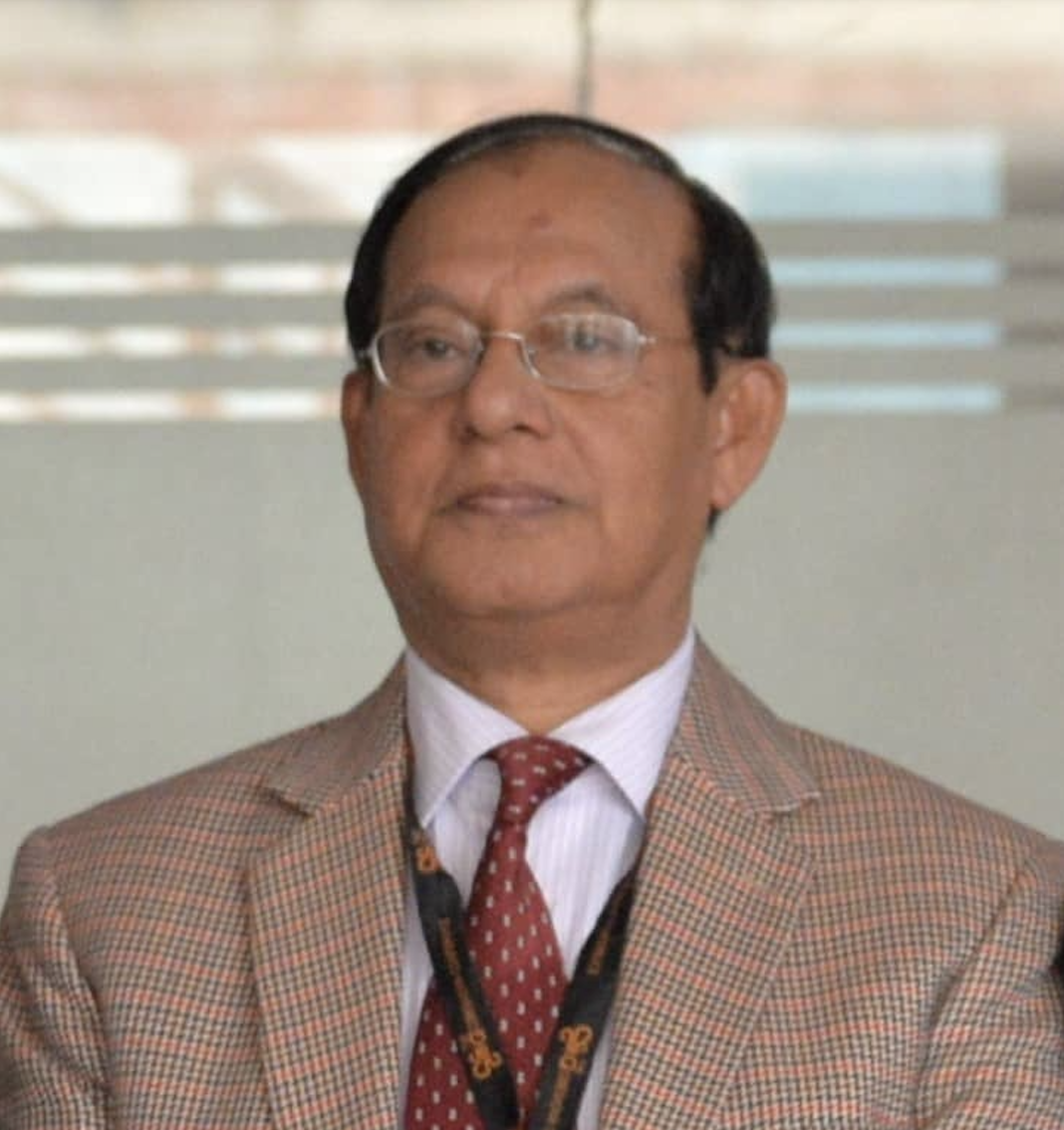 In today’s episode of New Security Broadcast, ECSP’s Claire Doyle and Angus Soderberg speak with Dr. Mizan Khan, Technical Lead at the Least Developed Countries Universities Consortium on Climate Change. Dr. Khan was formerly the Deputy Director at the International Center for Climate Change and Development (ICCCAD), a research institute based in Bangladesh.