-
Guest Contributor
The Climate and Ocean Risk Vulnerability Index: Measuring Coastal City Resilience to Inform Action
Guest Contributor // January 26, 2021 // By Jack Stuart, Sally Yozell, Miko Maekawa & Nagisa YoshiokaMORE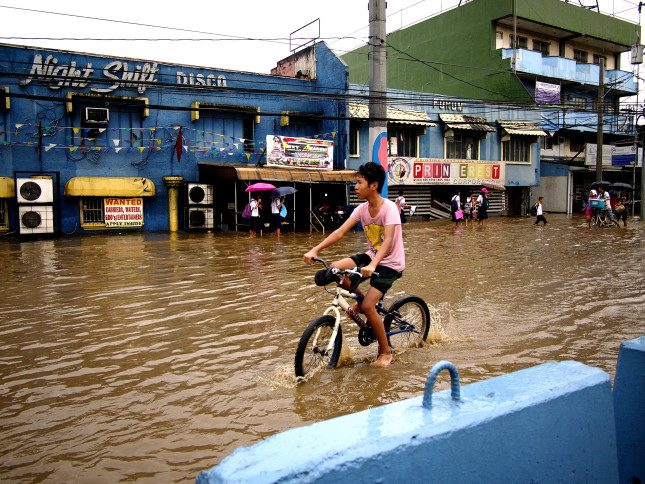
As the climate crisis continues to worsen, climate finance remains a fraction of what is needed. The Climate Policy Initiative estimates that $579 billion was spent on average on climate finance in 2017/18. This includes domestic and international investment from both the public and private sectors towards climate mitigation and adaptation actions. Of this amount, only $30 billion—five percent—was allocated for climate adaptation. This amount stands in stark contrast to $180 billion, which the Global Commission on Adaptation estimates is needed every year to build resilience to current and future climate impacts. This catastrophic funding gap is intensifying climate security threats and elevating the vulnerability of people across the world, particularly in coastal urban centers.
-
China Environment Forum
Who Pays the Bill for Plastic Waste?
MORE
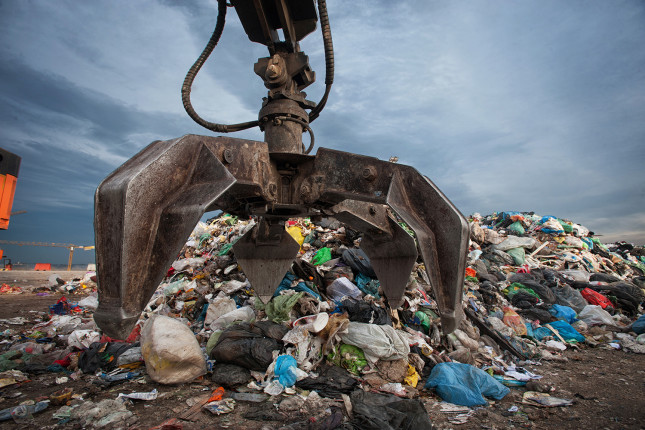
China’s 2018 National Sword Policy ended the country’s role as the recycling bin for the world’s post-consumer plastic scrap and threw global recycling markets into disarray. Reeling on the other side of the globe, American cities were forced to store, incinerate, or throw collected recyclables into landfills. Faced with a rapidly diminishing landfill capacity, China is consolidating and formalizing its domestic recycling industry, an expensive and daunting task.
-
China Environment Forum // Covid-19
Mountains and Molehills: Medical Waste in China and the U.S.
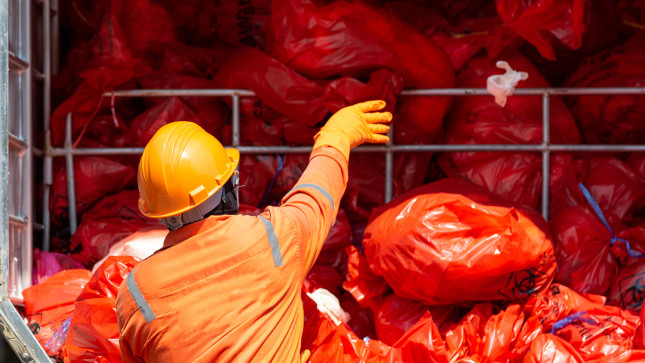
MOREAt the initial epicenter of the COVID-19 pandemic in Wuhan, China, the daily output of medical waste soared five times its average volume — from about 40 tons to as much as 250 tons at the end of February. This overwhelmed Wuhan’s single specialized medical waste treatment plant, far exceeding its 50 tons-per-day processing capacity. As the pandemic progressed throughout China, it revealed the shortfalls in medical waste management capacity in many cities. At a news conference in Beijing in March, Zhao Qunying, director of the emergency management office of the Ministry of Ecology and Environment, reported that 22 cities were operating over-capacity and 28 cities were working at full or near full load.
-
Guest Contributor
Equitable, Effective Climate Resilience Requires Cultural Intelligence
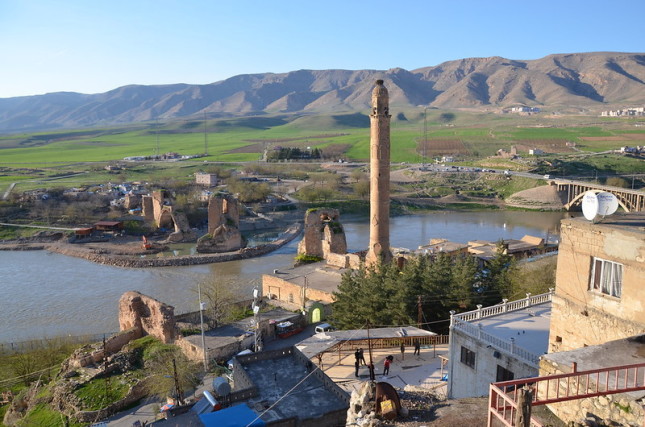
MOREBy the end of 2020, Turkey’s long awaited Ilisu dam project will be complete. Turkey argues this new dam will bring power independence and shore up economic stability. As an added bonus, it ensures water resiliency in a water-scarce region. Meanwhile, environmentalists bemoan habitat destruction, and Iraqis worry about water shortages they will experience down river. For the Kurds, the Ilisu dam project wipes out thousands of years of culture. For them, it’s the latest in a methodical cultural extermination which has been their plight since the founding of the Republic of Turkey.
Topics: China, development, energy, environment, Guest Contributor, Indigenous Peoples, Iraq, meta, Philippines, risk and resilience, Turkey, water -
Guest Contributor
To Understand How Disasters Relate to Conflict and Peace, Reframe the Starting Point
MOREIs the world doomed to be ever-more tumultuous? For years, headlines have suggested that climate change causes or acts as a threat multiplier for violent conflicts. For example, climate change-influenced drought has been labeled a cause of the Syrian conflict and the war in Darfur. Natural hazard-related disasters (“disasters”) like earthquakes that are not related to climate change have also been connected to an increased risk of violent social conflict and political instability. The narratives are often that disasters displace people who then put pressure on already-strained resources and infrastructure in receiving areas, and that disaster-stricken people fight over limited resources in their struggle for survival.
-
Guest Contributor
Fair Trade Seeks a Foothold in Artisanal Gold Mining
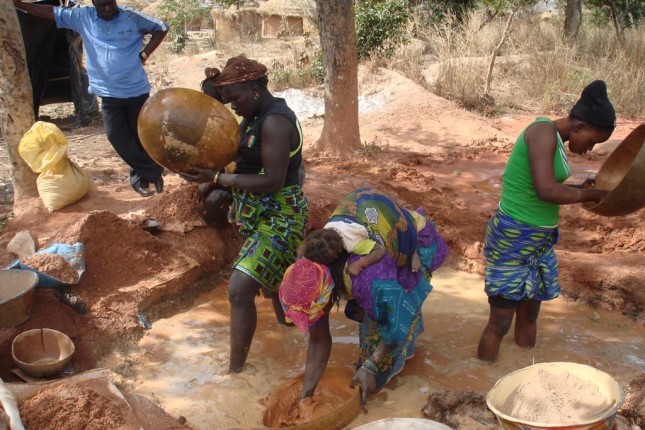
MORECOVID-19 isn’t the only problem going viral. Economic insecurity is driving gold prices to record highs around $1,700 per ounce, causing levels of global mercury pollution to rise too. In the United States coal-fired power plants drive mercury pollution, but globally, the leading cause is small-scale ‘artisanal’ gold mining. Roughly 30 million men, women, and children in poor countries depend on mining for subsistence incomes. Unfortunately, the cheapest and easiest way to mine gold uses mercury, a highly toxic heavy metal the United Nations is striving to eliminate.
-
Covid-19 // Guest Contributor
Covid-19 and Conflict Zones: Prepare Now or Face Catastrophe
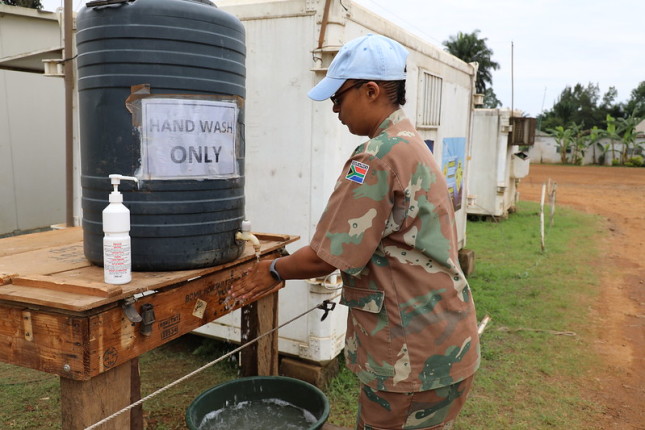
MOREAs we have seen over recent weeks, the impact of Covid-19 has caused unprecedented disruption, deaths, and confusion in developed countries. The public health capacity of countries such as the United States and UK has been overwhelmed.
Topics: Africa, conflict, Covid-19, featured, global health, Guest Contributor, health systems, infectious diseases, Iraq, security, Syria, Yemen -
Africa in Transition // Guest Contributor
Sexuality Education Begins to Take Root in Africa
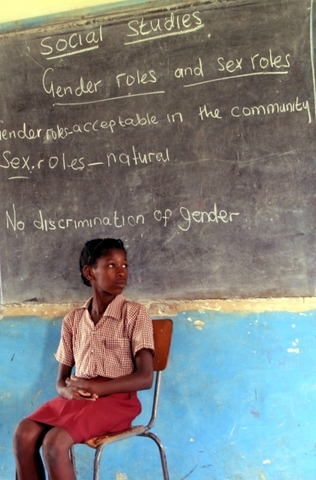
MOREIn Kenya, primary and secondary school students take courses called Life Skills Education. So do students in Malawi, Mozambique, Namibia, and Swaziland. South Sudan adds “peace-building” to the subject title. Lesotho, Madagascar, Rwanda, Tanzania, Uganda, and Zambia are more direct. These countries add the word “sexuality” to the course name.
Topics: Africa, Africa in Transition, comprehensive sexuality education, demography, education, family planning, GBV, gender, global health, Guest Contributor, Lesotho, Madagascar, Malawi, maternal health, Mozambique, Namibia, Netherlands, Nigeria, population, Rwanda, Senegal, sexual and reproductive health, South Sudan, Swaziland, Tanzania, Uganda, youth, Zambia
 A Publication of the Stimson Center.