-
Before the Waters Rise: Nigeria’s Predictable Flood Crises
›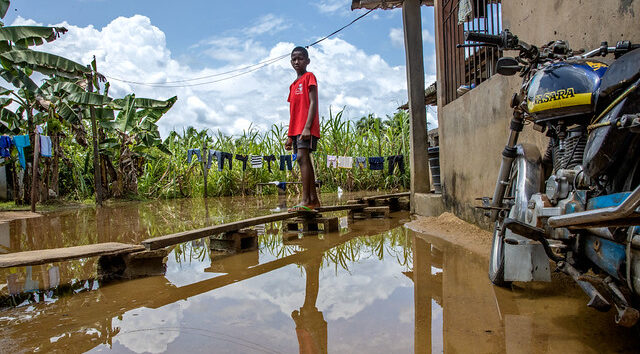
Devastating floods in Mokwa, a rural town in Niger State, claimed lives and destroyed homes and livelihoods in May 2025, and displaced many other residents as well. Yet, in Nigeria today, such flooding has become a predictable seasonal emergency. The real questions each year are not whether such floods will occur, but where they will happen—and if public institutions will act in time to prevent the next deluge from becoming yet another tragedy.
-
It’s Not Ok: How Data from Nigeria Reveals the Role of Addressing Community Attitudes to End Violence Against Women
›
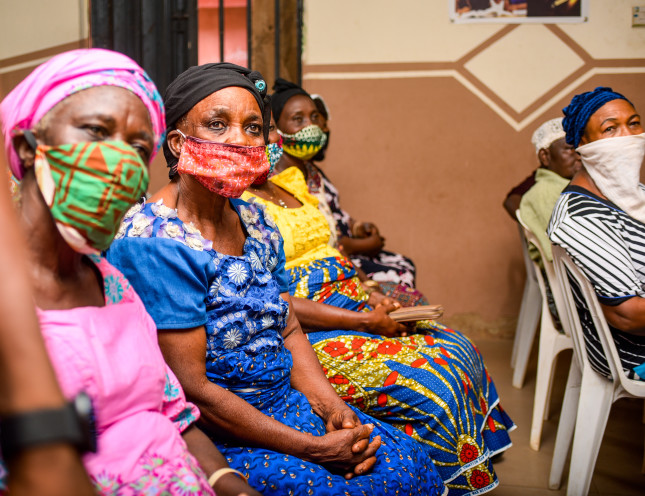
Globally, one third of women (736 million) have experienced physical and/or sexual violence, oftentimes when they were still children. Domestic violence and violence against women (VAW) have increased during the COVID-19 pandemic.
-
Climate Change and Farmers-Herders Conflict in Nigeria
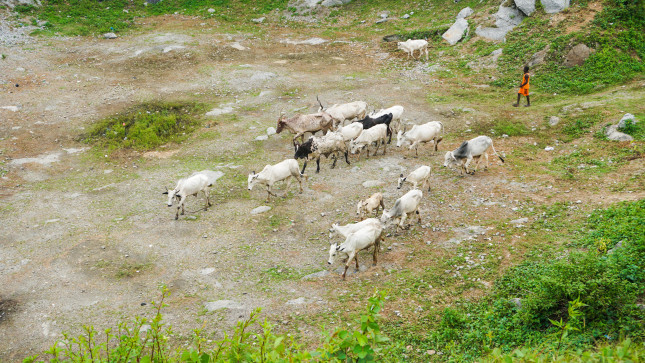
›International attention often focuses on ethnic conflict in the Niger Delta and religious conflict in Northern Nigeria, leaving farmer-herdsmen overlooked. In Nigeria, the conflict between farmers and herders has posed severe security challenges and has claimed far more lives than the Boko Haram insurgency. The conflict has threatened the country’s security, undermined national stability and unity, killed and displaced hundreds of thousands of people, and increased ethnic, regional, and religious polarization.
-
Vaccines, Family Planning, and Freedom from Violence: Achieving Equity for All Women and Children
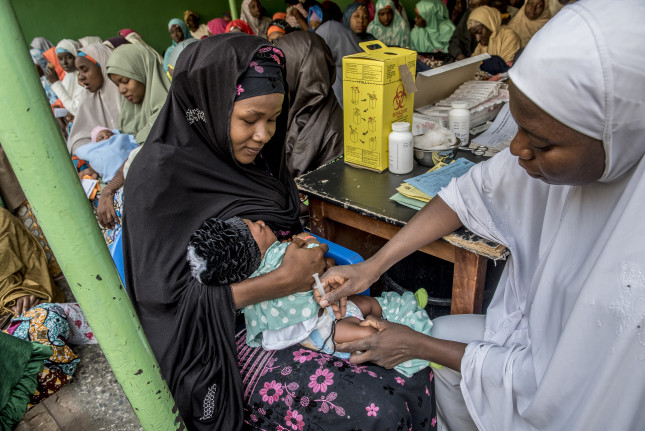
›“From birth, from almost from cradle to grave, girls have been seen as some sort of baggage,” said Shamsa Suleiman, Project Management Specialist for Gender and Youth at the U.S. Agency for International Development (USAID), Tanzania. Suleiman spoke at a recent Wilson Center event with USAID MOMENTUM Country and Global Leadership about balancing power dynamics to achieve equity for all women and children in maternal, child, and adolescent health, and family planning. Home should be a safe space, said Suleiman. But for many girls, it no longer is. To escape the poverty and pressures at home, including early marriage and other forms of gender-based violence, some girls leave, said Suleiman. “Girls are trying to escape the safe spaces.”
-
Climate War in the Sahel? Pastoral Insecurity in West Africa Is Not What It Seems
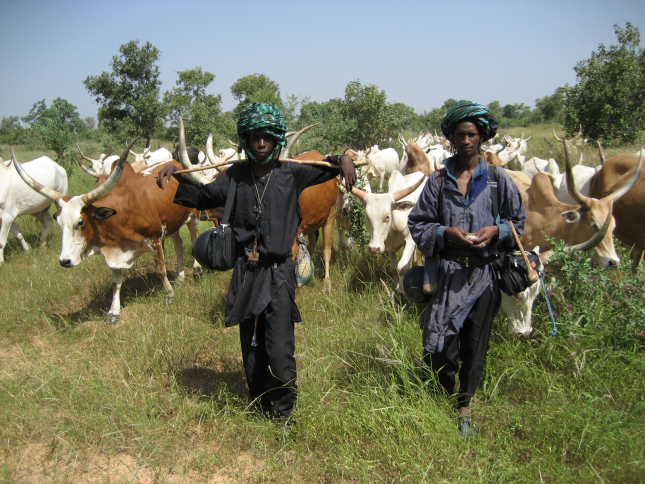
›As violence in Mali and Burkina Faso reached a ten-year high this year, the West African Sahel appears to be experiencing the perfect storm of climate stress, resource degradation, and violent extremism. At the center of that storm, one finds livestock herders—pastoralists—who are both vulnerable to environmental changes in the region, and historically marginalized from politics. Conflict in the region looks like a harbinger of the climate wars to come—but is it really? In research produced for Search for Common Ground, Andrew McDonnell and I found that while competition for land and water resources has increased dramatically across the region, violence associated with pastoralism emerges from a much more complex set of factors. Not surprisingly, the decisive conflict variable is governance.
-
Why Secondary Cities Deserve More Attention
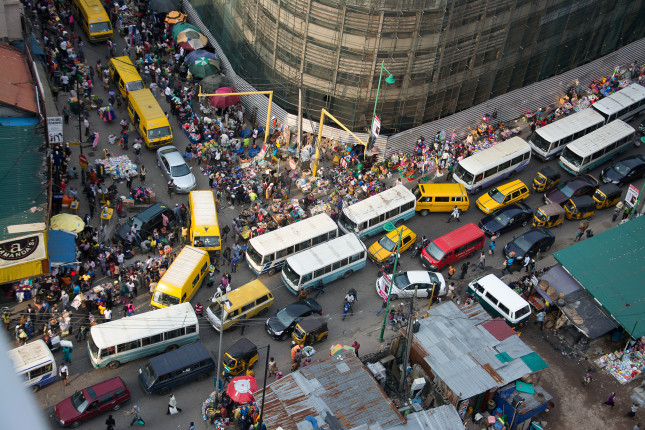
›Mention London, Rome, or New York, and people immediately conjure up Big Ben, the Colosseum, the Statue of Liberty. Beijing, Cairo, Mumbai? Check. They’ve heard of them. Megacities, the ones with lots of history, lots of people, and an oversized impact on the economy and culture, tend to be well-known.
Fewer people may know much about Addis Ababa, Dhaka, Lagos, or São Paulo — yet many would recognize the names. But who knows or has been to Darkhan, Mongolia or Santa Fe, Argentina or Boké-Kamsar in Guinea?
-
In Sub-Saharan Africa, Community Health Workers Support Sustainable Health Systems and COVID-19 Response
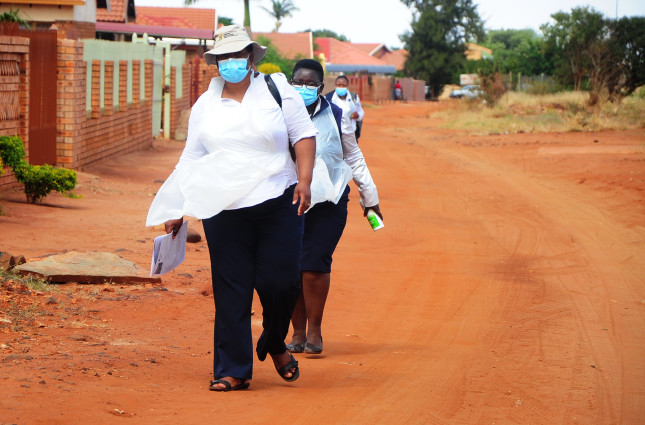
›“If there’s one message, it’s health systems need to be resilient, agile, and equitable,” said Uzma Alam, a researcher at the Africa Institute for Health Policy Foundation and Senior Program Officer of the Africa Academy of Sciences. “No one person, no one community, no one minority can be left behind. After all, your health system is as agile, as resilient as your weakest link.” She spoke at a recent Wilson Center event co-sponsored with the Population Institute, “Lessons from Africa: Building Resilience through Community-Based Health Systems.” The event focused on how locally led interventions improved the resilience and responsiveness of health systems in sub-Saharan Africa.
-
High Blood Pressure: Pregnant and Postpartum Women Face Hidden Danger
›CODE BLUE // Dot-Mom // Guest Contributor // April 23, 2020 // By Charlotte E. Warren & Pooja SripadOne-third of all maternal deaths can be traced to high blood pressure in pregnancy and in the weeks after giving birth. Yet many women don’t know how dangerous high blood pressure can be. And they may not realize they are at risk for many life-threatening conditions such as pre-eclampsia and eclampsia. Because high blood pressure can be asymptomatic, women with hypertension may not feel unwell or even know that their health is compromised.
Showing posts from category Nigeria.