-
Foresight for Action // Guest Contributor
Foresight for Action | Improving Predictive Capabilities for Extreme Weather and Water Events in Pakistan
MORE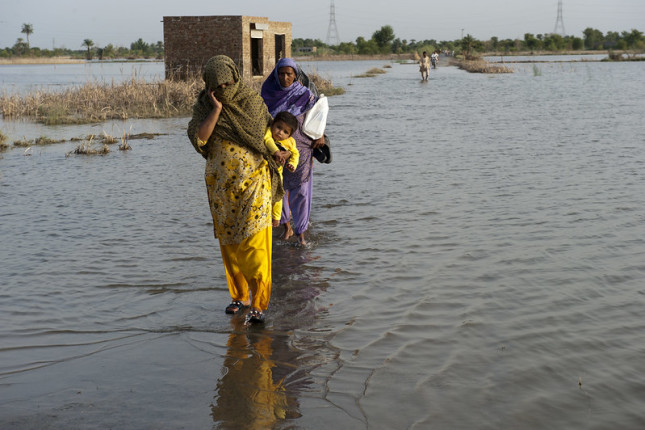
Pakistan ranks eighth on the list of countries most affected by extreme weather events (1998–2017 data), according to the 2019 Global Risk Index. With increasing global temperatures, severe weather and water events, like monsoons and droughts, are likely to become even more frequent and extreme in the future. Since the 1960s, Pakistan has observed changes in temperature and precipitation. By the end of the century, Pakistan’s temperatures are expected to be significantly higher than the global average.
-
Guest Contributor // Uncharted Territory
Three Trends to Track in Population-Environment-Security
MORE Exactly 25 years ago the international community met in Cairo for the 1994 International Conference on Population and Development. In the aftermath of the Cold War, ethnic conflict seemed to be exploding globally and research on the role of population growth and resource scarcity found an eager audience among policy makers struggling to understand this new international disorder. ECSP’s founding in that same year positioned the program as a leader in bringing together the scholarly and policy communities around non-traditional security issues over the last 25 years. The last two-and-a-half decades have brought tremendous change in population trends, environmental change, and the security landscape. Over the next 25 years three trends will shape the agenda of those working on the nexus of population-environment-security issues.
 -
Guest Contributor
Urban Elites’ Livestock Exacerbate Herder-Farmer Tensions in Africa’s Sudano-Sahel
MOREIn recent years, conflict between herders and farmers for access to increasingly scarce natural resources in Africa’s Sudano-Sahel has escalated. While the problems fueling these tensions are both hyper-local and transnational in nature, one important piece of the puzzle has been overlooked. The real “elephant in the room” is who owns the livestock. Topics: agriculture, conflict, development, environment, featured, Guest Contributor, land, livelihoods, natural resources, Sahel, security -
Guest Contributor
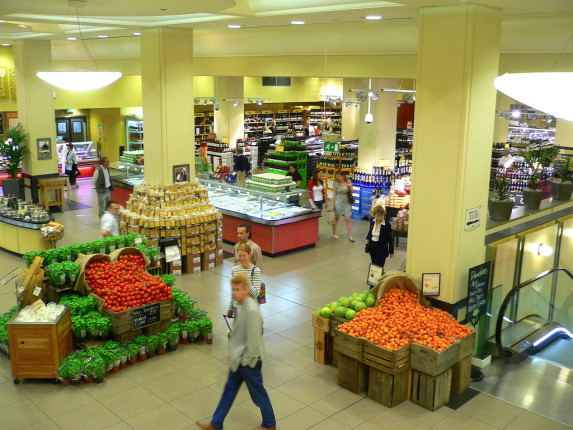
Can Big Multinational Retailers Save Our Planet?
MOREAs we move past another Earth Day, environmentalists may be forgiven for assuming that little has changed. The best available evidence points to a rapidly changing climate, declining biodiversity, and fisheries on the verge of collapse. To further complicate matters, the political will to reverse these trends is being stymied by a surge of anti-environmental populism in America, Brazil and elsewhere. When coupled with the continued harvesting of natural resources by big multinational corporations, it is easy to see why environmentalists are crying into their organic kale and quinoa bowls.
-
Guest Contributor
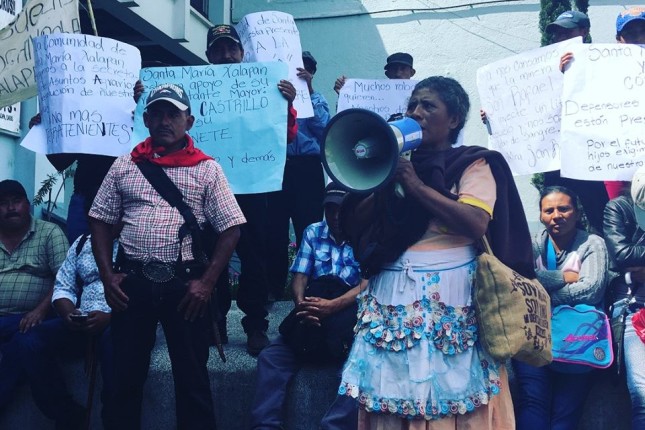
Democracy Under Assault: Guatemala Attempts to Silence Eco-populists
MOREWhile the U.S. has been fixated on President Trump’s contentious border wall project, another more ominous threat facing Guatemalans is building internally. In a swift reversal, many politicians and scholars who have previously argued for directing increased U.S. aid to communities in Central America’s Northern Triangle—Guatemala, El Salvador, and Honduras—as a humanitarian alternative to the border wall, are now calling on Congress to suspend some forms of aid to Guatemala, which they now see as the more humane option.
-
Guest Contributor
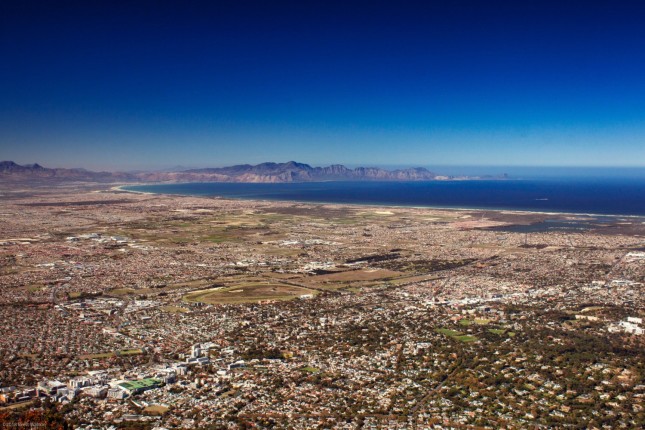
Cape Town’s Harrowing Journey to the Brink of Water Catastrophe
MOREThis is what a water panic looks like in a major global city.
People hoard water. They queue for hours, well into the night, to fill jugs at natural springs. Like mad Christmas shoppers, they clear supermarkets of bottled water. They descend on stockers before they can fill the shelves.
-
China Environment Forum
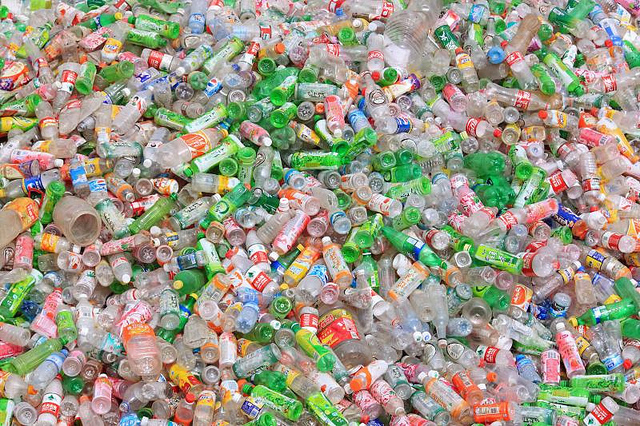
China’s Waste Import Ban: Dumpster Fire or Opportunity for Change?
MOREIn early January of this year, China’s “National Sword” policy banned imports of non-industrial plastic waste. The ban forces exporting countries to find new dumping grounds for their waste, which is estimated to total nearly 111 million metric tons by 2030. China’s decision has exposed deep structural flaws and interdependencies in the global waste management system. Western countries that have long depended on China to take their garbage are now struggling to deal with mounds of plastic trash, while China lacks the low-priced labor needed to effectively sort and process waste.
-
Guest Contributor
“Journalists Need to Do More to Cover Wildlife and Environmental Crime”
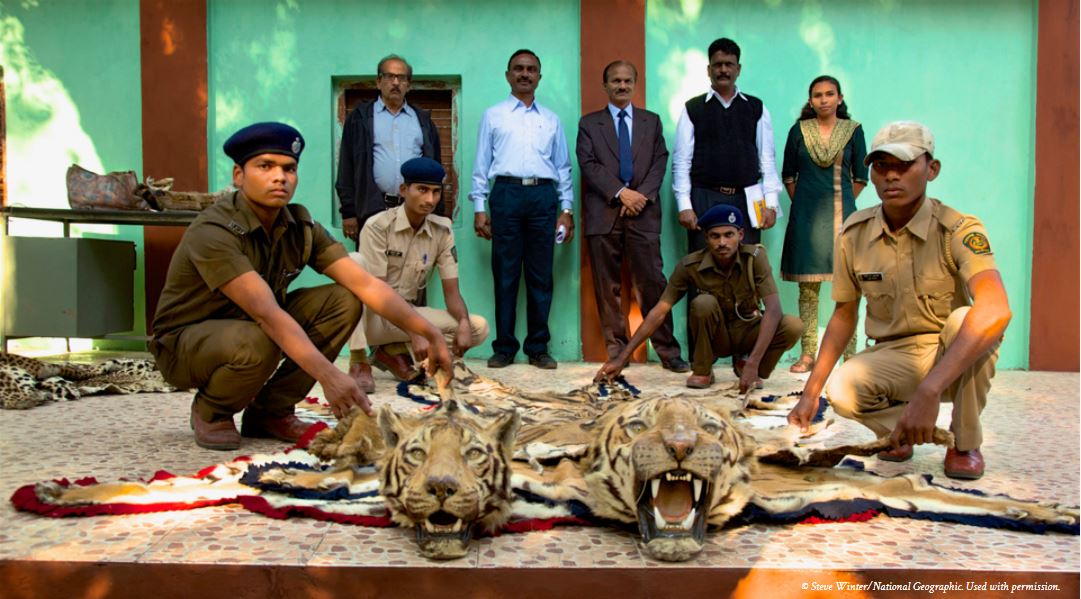
MOREFor the past few years, much of my work as a journalist has focused on wildlife and environmental crime. I’ve covered poaching busts and seizures of everything from pangolin scales and big-cat skins to rhino horn, live turtles and songbirds. I’ve reported on the Asian, African and South American markets that sell animals live, dead and in parts, and about the consumers that drive this black-market trade. I’ve written about China, the largest consumer, where many endangered species products are luxury items bought by the wealthiest and most influential as a way to flaunt power and gain prestige. I’ve also explored the trade here in the United States — the world’s second largest consumer. I covered the ubiquitous bird trade in Latin America, where ownership of pet parrots and other birds is so rampant that few realize these animals are endangered, or that it’s against the law to buy or keep them.
 A Publication of the Stimson Center.
 Exactly 25 years ago the international community met in Cairo for the
  In recent years, conflict between herders and farmers for access to increasingly scarce natural resources in Africa’s Sudano-Sahel has escalated. While the problems fueling these tensions are both hyper-local and transnational in nature, one important piece of the puzzle has been overlooked. The real “elephant in the room” is who owns the livestock.