-
Environmental Security Weekly Watch: March 9-13, 2026
›
A window into what we’re reading at the Stimson Center’s Environmental Security Program
As Gulf Conflict Widens, So Does Its Environmental Footprint (Dialogue Earth)
The Conflict and Environment Observatory identified at least 120 incidents of environmental harm across 11 countries since the start of U.S. and Israelis began attacks on Iran, as both sides have made oil infrastructure, military facilities, and strategic sites primary targets. The burgeoning conflict poses nuclear, chemical, and long-term carbon risks, as strikes on refineries, tankers, and storage sites degrade air quality, contaminate water contamination, and harm marine ecosystems. And other serious catastrophes loom as the war develops. The IAEA warns that any radioactive release from strikes that target nuclear sites could require evacuating areas the size of major cities.
-
The Cost of Ceding the Field to China on Climate Change
›
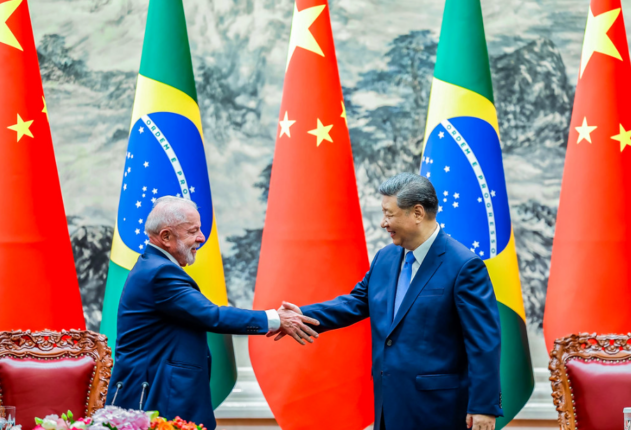
Summer is often a time for grim climate milestones, as ever-more intense heatwaves scorch large swathes of the planet. But this year, the bad news arrived earlier than usual when the United States refrained from sending representatives to the UN-sponsored climate talks in Bonn, Germany, for the first time in the talks’ 30-year history. The intercessional talks are in some ways more important ever than the more widely reported on climate COPs because they are where many especially tricky issues are negotiated. The Trump Administration’s unilateral withdrawal from international negotiations is bad news for the climate. But it is even worse news for US national security. Climate diplomacy is a big part of soft power and influence, and Washington is rapidly losing out to Beijing.
-
US Agricultural Success Built on US-China Scientific Exchange
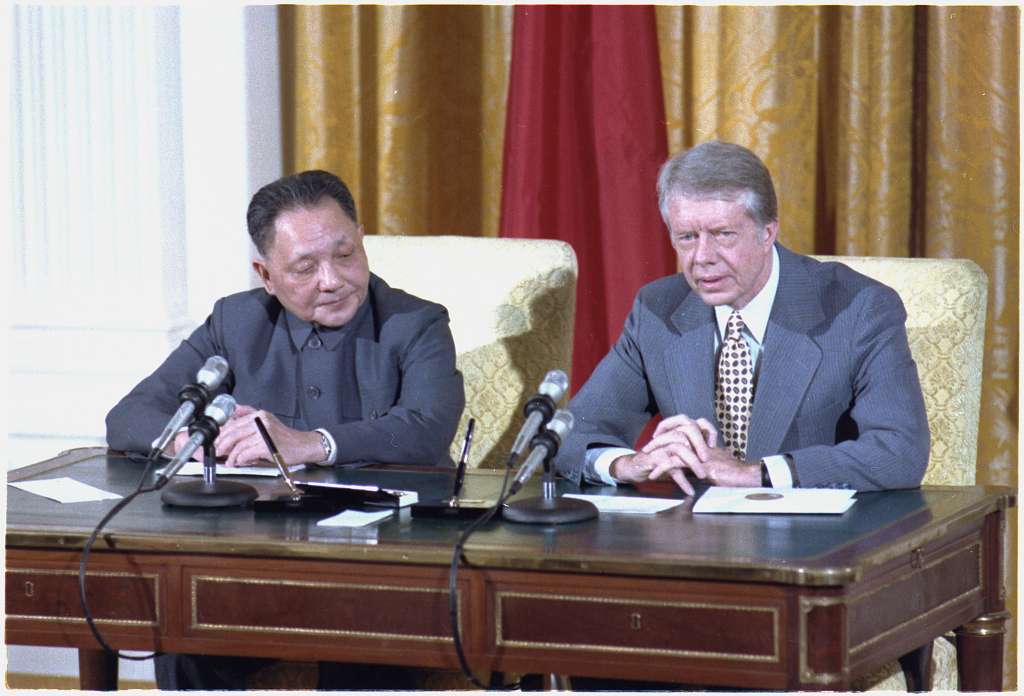
›China Environment Forum // Cool Agriculture // Guest Contributor // December 5, 2024 // By Karen Mancl“History teaches that China and the United States gain from cooperation and lose from confrontation” was part of the congratulatory note from Xi Jinping to President-elect Trump. Xi also stressed both sides should continue to uphold “mutual respect, peaceful coexistence and win-win cooperation.” The cooperation between these two superpowers began in 1972 when President Richard Nixon and Premier Zhou Enlai signed the Shanghai Communiqué, years before they established diplomatic relations.
-
Accelerating the Transition: Can the U.S. Support India’s Path to Net Zero?
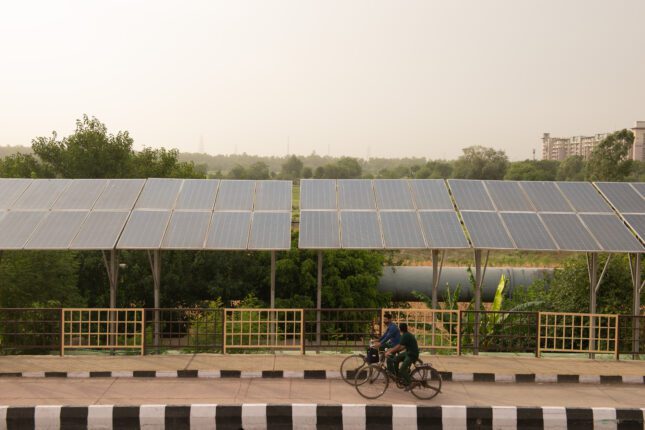
›Energy is a bridge that has historically fostered the U.S.-India relationship. The reasons are many. Both economies focus on energy security, climate action, economic cooperation, and technological innovation.
Recent innovations in India offer new challenges and opportunities. The country has rapidly deployed renewable energy (RE) technologies to meet its stated Net Zero targets. This effort has exceeded its promises; 40% of India’s electricity now comes from renewable sources. And the nation’s other ambitious target— installing 450 GW—would triple this existing capacity in less than ten years.
-
Food Waste: A Low-Hanging Fruit for Methane Reductions
›China Environment Forum // Cool Agriculture // February 8, 2024 // By Jennifer Nguyen, Jennifer Turner & Karen ManclThis blog is modified from the Wilson Center-OSU “Cultivating US and Chinese Climate Leadership on Food and Agriculture Roadmap” publication.
“Waste is something that most of us just don’t see,” stressed Pete Pearson, Senior Director, Food Loss and Waste, WWF, at a recent Wilson Center event. Though people are “conditioned” to be blind to food waste, continued Pearson, this not-so-invisible problem wastes a third of food grown around the world. When this wasted food decomposes, it emits methane, accounting for 8 to 10% of global greenhouse gas (GHG) emissions.
-
Climate Action on the Farm: Catalyzing a No-till Revolution in the US and China
›China Environment Forum // Cool Agriculture // Guest Contributor // February 1, 2024 // By Abigail OrdillasFor centuries, farmers around the globe have tilled the soil to prepare for planting. Traditional tilling, however, exposes the bare earth to wind and water, causing erosion and the loss of soil organic carbon, as well as lowering soil quality and crop yields. In the US Corn Belt tilling has degraded approximately 35% of the land– about the size of Montana. In China, erosion from traditional tilling has degraded over 50% of agricultural soils. In the two countries soil erosion and loss of soil fertility is creating annual economic losses of $1.9 billion and $3.7 billion, respectively. Nevertheless, farmers are often hesitant to switch to no-till practices.
-
A Commune in Rural Iowa Inspires Reform in China’s Countryside
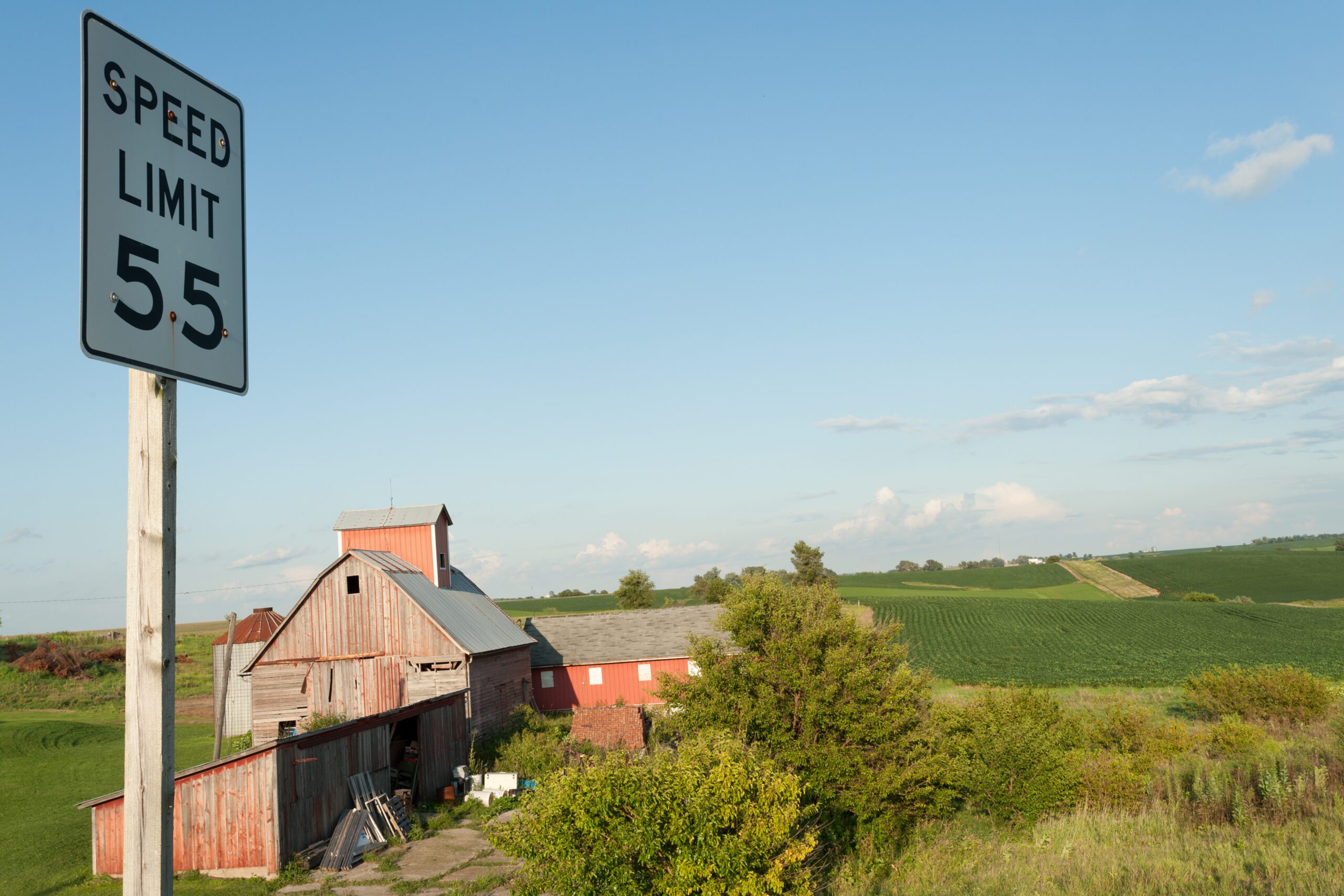
›China Environment Forum // Cool Agriculture // Guest Contributor // January 18, 2024 // By Karen ManclA quiet agricultural community in east, central Iowa is a surprising place to learn about the evolution of communes in the United States. While a graduate student at Iowa State University, I first visited the Amana Colonies in 1979. The brick homes, the woolen mill, and the community kitchens were first built in 1855 by a group of German immigrants, forming the now oldest commune in the country.
-
US and Chinese Farmers Adapting to a New Climate
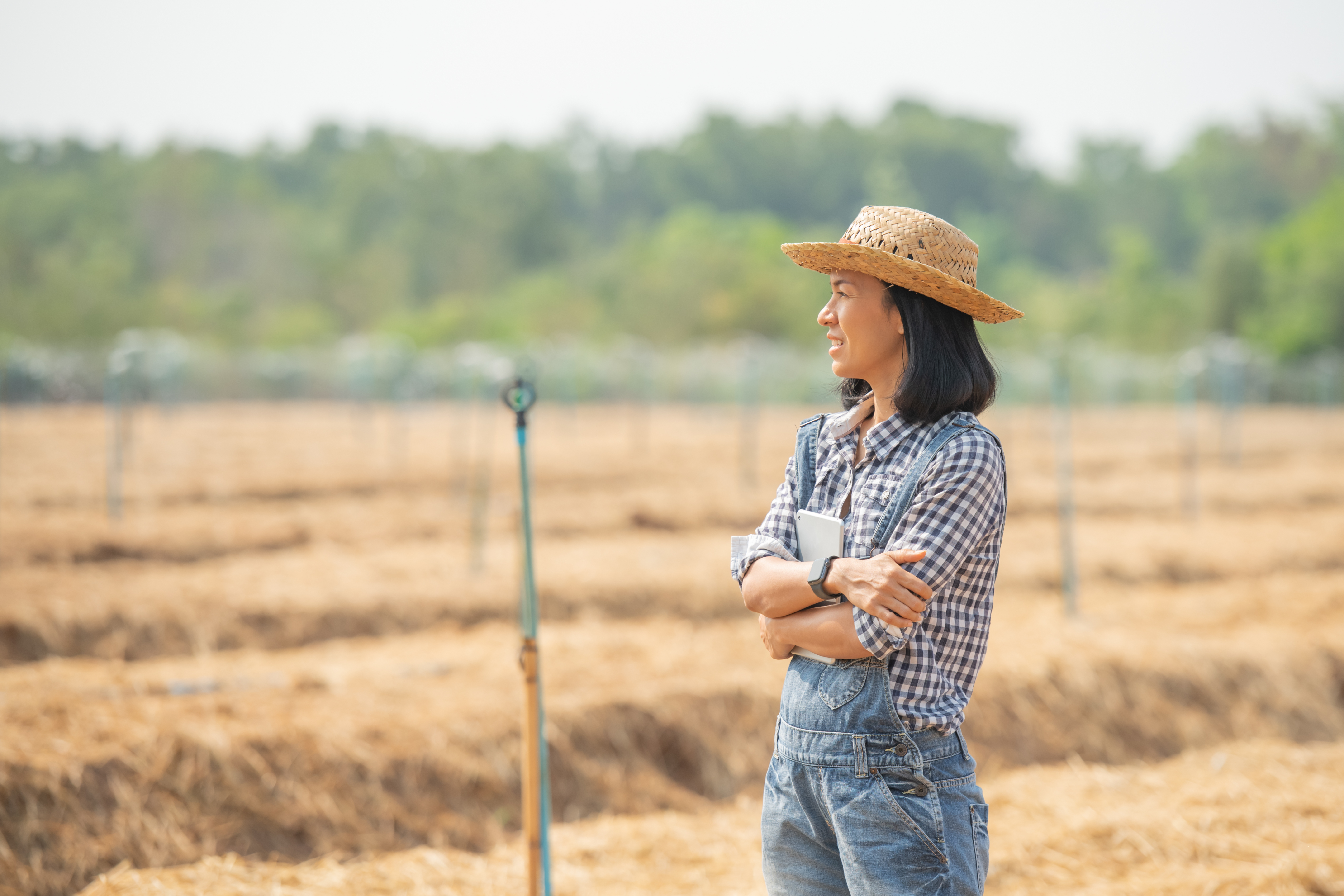
›China Environment Forum // Cool Agriculture // Guest Contributor // October 12, 2023 // By Abigail OrdillasExtreme heat from climate change threatens food security in the world’s two food-producing superpowers. Climate adaptation for agriculture is a must. The US and China have much to share on climate-smart farming practices to help us both weather the storms and droughts. 2023 brought scorching heat waves that baked crops and livestock in China and the United States. In China, farm animals and fish died from extreme heat in June with some provinces enduring weeks of temperatures above 40°C (104°F). In one farm, a heatwave-triggered power outage resulted in hundreds of pigs suffocating to death after shed fans stopped working.
Showing posts from category U.S..