-
Guest Contributor
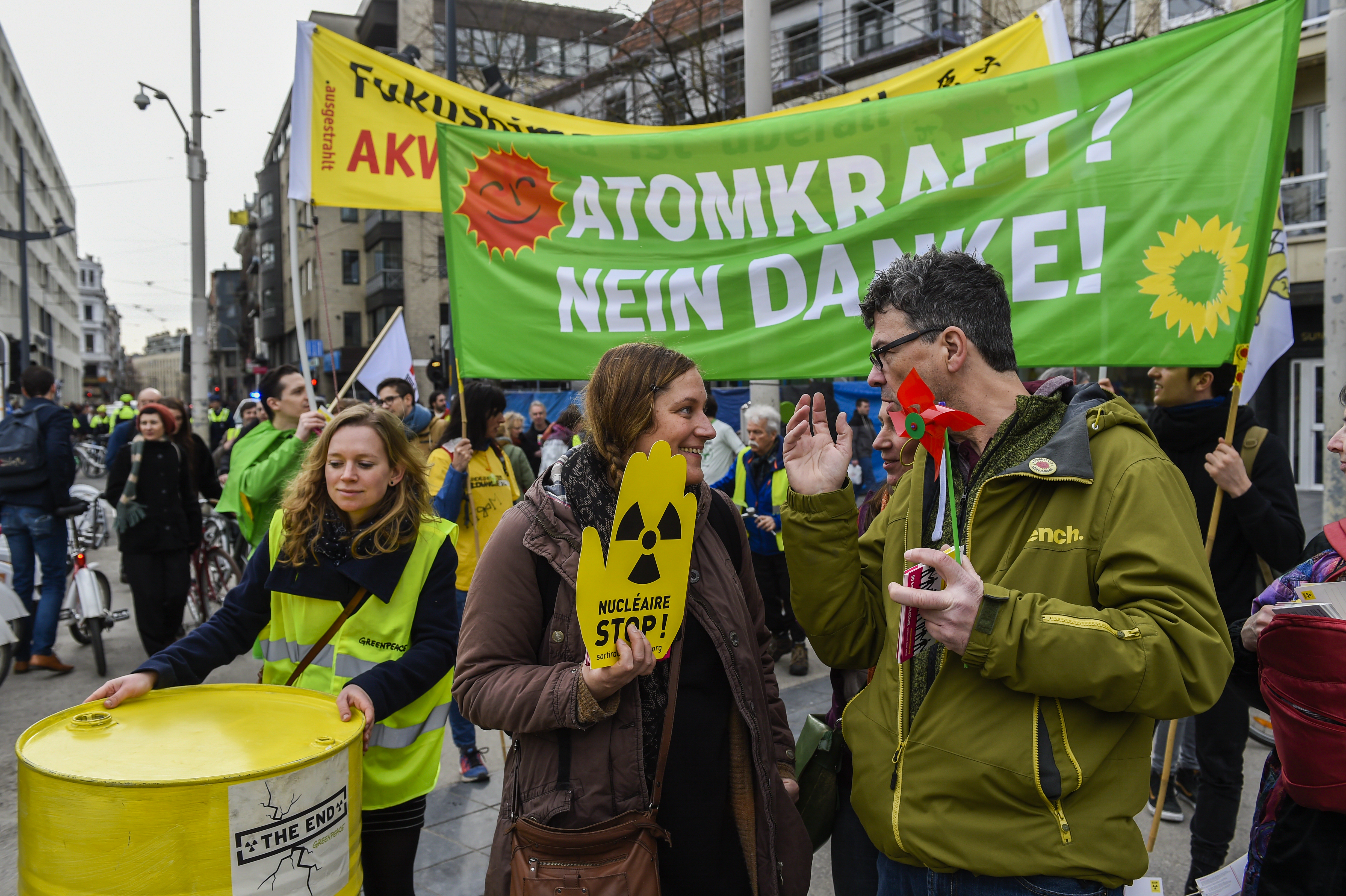
The Best or Worst of Both Worlds? Nuclear Power’s Contested Role in Europe’s Energy Transition
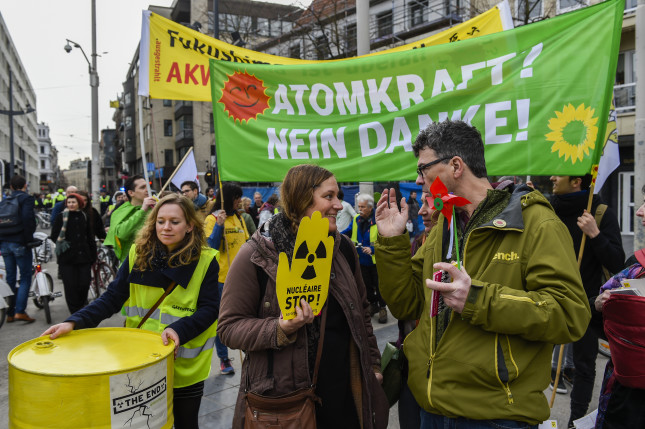
MOREGrowing up in Austria in the 1990s, one of the underlying lessons I learned in middle school was that nuclear power is humanity’s downfall. Though never explicitly described that way in the curriculum, from a young age my peers and I knew to associate the black-and-yellow trefoil symbol with apocalyptic environmental destruction. Reflecting on my upbringing helps me understand why so many in Germany, Austria, Denmark, Greece, and Italy argue that nuclear power should be our last resort as an energy resource. How could we allow the development and use of such dangerous technologies in our own lives? How could we just move on and accept that a nuclear accident could kill all of us at any moment?
-
On the Beat
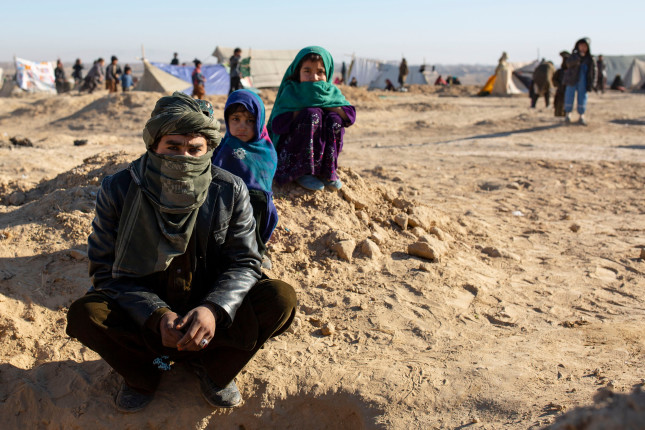
The Changing Face of the Global Humanitarian Crisis: Gender, Climate Change, and Humanitarian Interventions
MORE
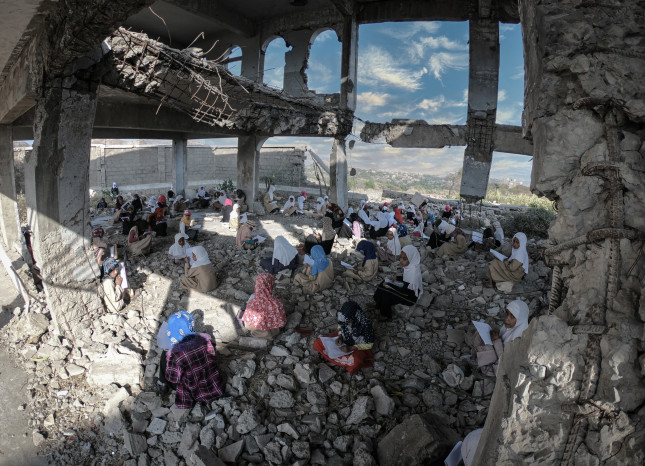
“In a changing world with galloping, growing needs, we can’t keep making the same efforts, issuing the same pleas, and just write bigger and bigger checks and expect different results,” said Samantha Power, Administrator of the United Agency for International Development (USAID), at the launch of the Global Humanitarian Overview, co-hosted by the Center for Strategic and International Studies, USAID, and the UN Office for the Coordination of Humanitarian Affairs (UNOCHA). “We must change the ways we deliver humanitarian assistance to include full participation, design, and leadership from local populations and organizations, from women and marginalized peoples who can help develop truly sustainable solutions to the risks they face in their own communities,” said Power.
-
Guest Contributor
The Quad Should Help India Address Its Most Pressing Security Challenge: Climate Change
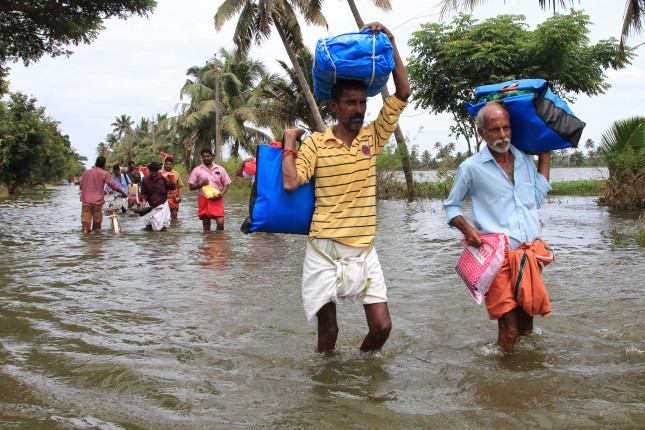
MOREHeadlines about India’s pressing security challenges often focus on tensions with Pakistan, border friction with China, and internal interethnic violence. However, the threat of climate change is in fact the paramount security threat to India in the coming decades.
-
Guest Contributor
Can COP26 Meet the Climate and Conflict Challenge?
MOREGlobal climate action must be sensitive to ‘land grabs’ and lost livelihoods for both a safer and greener world to be built in Glasgow.
With all eyes on COP26, the world is holding its breath. This year’s negotiations will need to see truly ambitious commitments to ramp up climate action in order to avoid a dangerous future. There has never been a greater sense of the urgency in the climate movement.
As a peacebuilder, I’m looking closely at what the implications of the much-needed pledges might be for the 1.5 billion people living in fragile and conflict-affected contexts. The discussion on the impact of climate change on security and social stability is gaining momentum but is still effectively on the fringes of the COP26 agenda. That is a concern.
-
On the Beat
Sustainable Responses to Human Mobility, Climate Change, and Conflict
MORE“We should not see people moving as a security threat. People do not move if they’ve got a better option. As a community, one of our responsibilities is to provide people with the options,” said Andrew Harper, Special Advisor to the UNHCR High Commissioner for Climate Action, at a discussion on human mobility, climate change, and conflict hosted at the 2021 Berlin Climate and Security Conference. “We need to ensure that projects and activities that have been put in place are not short term, but are geared up to be addressing the challenges that the world will be facing within five to ten years’ time.”
-
Guest Contributor
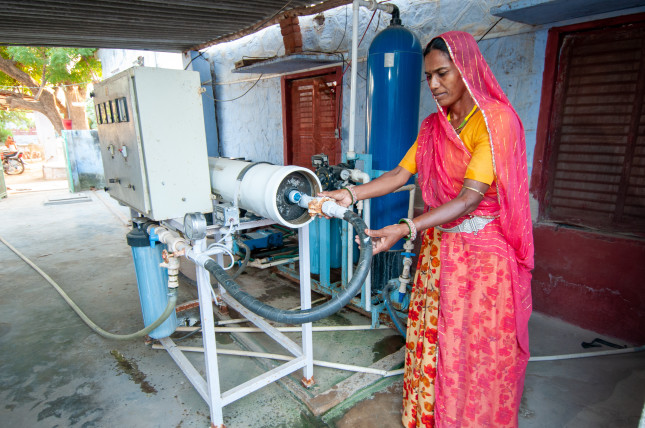
Achieving SDG 6.2: Adequate and Equitable Sanitation and Hygiene for Who?
MOREInternational development organizations do not exist outside of global systems of oppression. However virtuous their intentions, the power held by development actors remains largely in the hands of the western elite, echoing colonial-era global dynamics.
-
Covid-19 // On the Beat
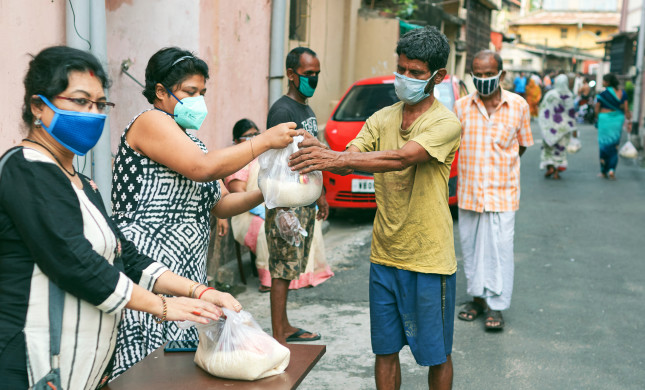
Food as a Pathway to Peace: COVID, Climate, and the Hunger-Conflict Nexus
MORE“We produce more than enough food for the world’s population, but more and more people have been growing hungry in recent years,” said Kelly McFarland, Director of Programs and Research at the Institute for the Study of Diplomacy (ISD) at Georgetown University, during a panel discussion on COVID, Conflict, and Climate co-hosted by ISD and the Stimson Center’s Global Governance, Justice & Security, and Food Security Programs.
-
Guest Contributor
Climate Crisis Exacerbates Military Legacy Contamination
MOREThis summer, climate-induced heat waves ignited landmines and unexploded ordnance buried in the soils around the Middle East, killing people and causing wildfires. Warmer waters are speeding up erosion of sunken battleships laden with degrading munitions. A melting ice sheet on Greenland has exposed thousands of barrels of toxic waste at abandoned U.S. military bases.
 A Publication of the Stimson Center.