-
Guest Contributor
Simmering Glacial Geopolitics: Upcoming Crises with Transboundary Water Cooperation on Asia’s Back Burner
MORE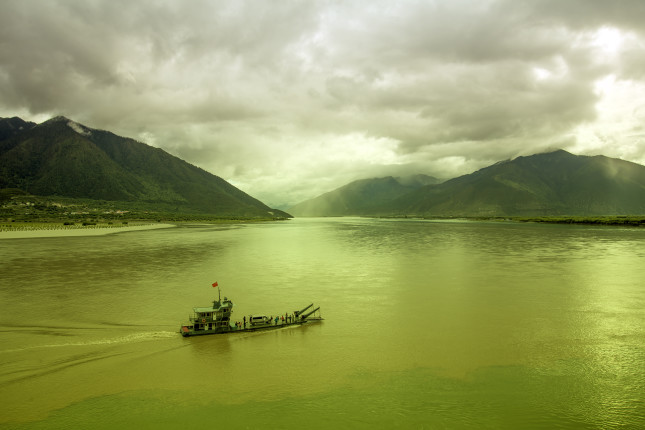
People’s lives and livelihoods are at stake if China does not cooperate with its regional neighbors over downstream effects of the Tibetan plateau’s glaciers. The Hindu Kush Himalayas’ (HKH) numerous glaciers are known as the “Water Towers of Asia” and the “Third Pole.” Over 1.9 billion people depend on water systems that stem from HKH glaciers. Climate change will fundamentally alter the hydrology of the water basins—killing or displacing thousands of people as the changes unfold. Asia cannot continue with national or bilateral plans being the primary climate change adaptation strategies: basin-wide cooperation is essential. Unfortunately, conflicts and simmering disputes in the region make this a staggering goal to achieve.
-
Guest Contributor
The Challenges of Climate Change in an Urbanizing World
MORE
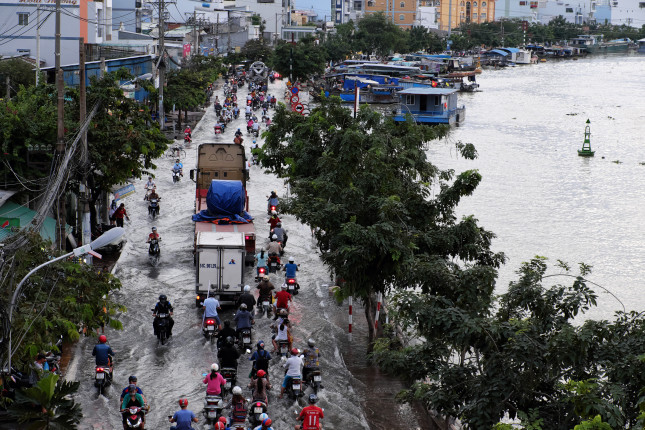
The recently released draft report of the Intergovernmental Panel on Climate Change (IPCC) lays out in no uncertain terms that we face an insurmountable challenge in addressing climate change and its impacts. One shocking takeaway is that sea-level rise is now thought to be irreversible. Indeed, rising temperatures and changing weather patterns threaten to send some cities under water, while causing others to dry up. These opposing challenges increasingly threaten the lives and livelihoods of people in many countries as rapid urbanization is making cities even more densely populated. Floods and droughts threatening the world’s cities will force governments of the world to reevaluate the quality of their infrastructure, their disaster management strategies, and of course, their environmental footprints.
-
Guest Contributor
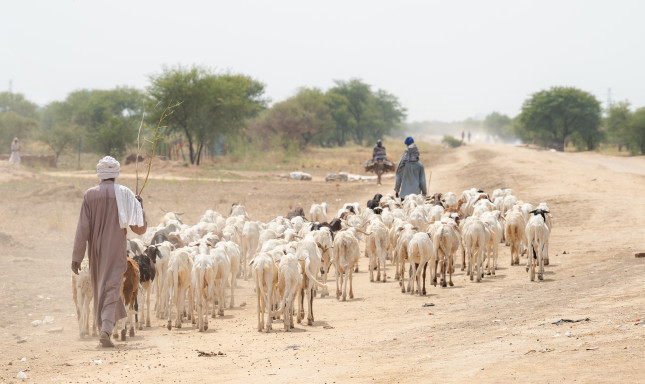
Conflict in the Sahel Likely to Worsen as Climate Change Impacts Increase
MORECurrently there isn’t a lot of good news coming out of the Sahel, the area in Africa that borders the Saharan desert to the north, the Sudanian Savannah to the south, and stretches across the continent. Multiple raging insurgencies, especially in the western part of the region, fuel a news cycle of offensives and counter offensives, responses and massacres.
According to the damning new ‘code red for humanity’ report from the Intergovernmental Panel on Climate Change (IPCC), the news from the region isn’t likely to get better any time soon.
-
Guest Contributor
Integrating Conflict Prevention and Climate Change in U.S. Foreign Policy and Development Assistance
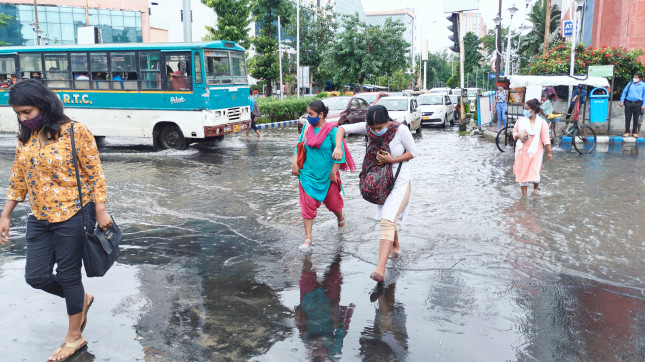
MOREClimate change is no longer an abstract issue we may face in the future. Devastating forest fires, the hottest June on record in the United States, lethal flooding in Europe and Asia, and extreme droughts in Africa reveal that the climate is already changing with extreme consequences. Even more concerning than these events alone is the reality that the drivers of climate change, violent conflict, and fragile states compound each other. Climate change exacerbates unstable social, economic, and political conditions, while conflict and fragility can hinder effective climate change response and adaptation. The U.S. can address the compound risks created by both of these issues only through integration of conflict prevention and climate change in its foreign policy and development assistance.
-
Covid-19 // Guest Contributor
COVID-19 and the Fight Against Climate Change: What Have We Learned?
MOREAs the world continues to battle the COVID crisis, we must not lose sight of the greatest long-term threat faced by mankind: climate change.
COVID-19 and its even more contagious variants have wrought misery upon our world, inflicting massive loss of life and sickness, widespread disruption of health services, and economic ruin with ensuing social upheaval. There is no silver lining.
We can, however, attempt to extract useful lessons from the strategies and tactics──both successful and unsuccessful──used to battle the contagion to better array our forces against that other pending global catastrophe: climate change.
-
Guest Contributor
Why Addressing the Climate Crisis Can Help Build More Sustainable Peace
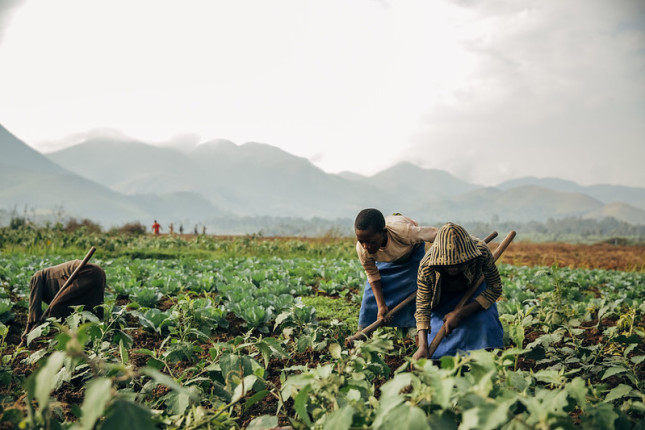
MOREThirty years of research underlies the realization that climate change poses substantial national, international and human security risks, but analysts have only recently shifted their focus toward how to simultaneously build peace in post-conflict environments and grapple with the dual challenges of mitigating and adapting to climate change. In a recent article in World Development article, we propose what causal pathways can simultaneously facilitate climate change adaptation, increase resilience, improve natural resource governance, and build more sustainable peace.
-
Guest Contributor
Water and (in-)Security in Afghanistan as the Taliban Take Over
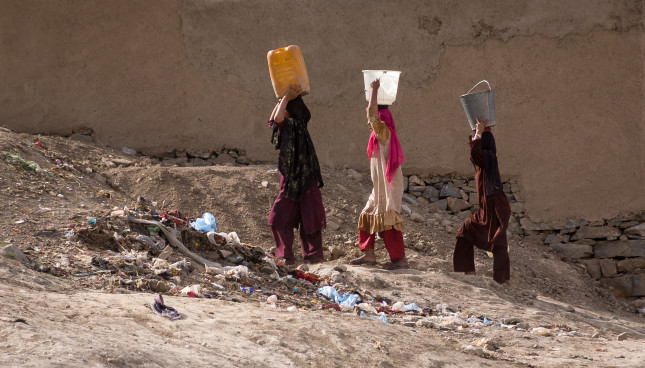
MOREThe takeover of Afghanistan by the Taliban not only threatens people’s lives, security, and fundamental freedom, but also significantly increases risks of water insecurity both immediately and in the long term. While our hearts and minds are with the people struggling for survival and freedom in Afghanistan today, we should not forget that the implications of Taliban rule will add yet another challenge to the long-term future of the Afghan people, and possibly also to the entire region’s stability.
-
Dot-Mom
Misconceptions on Miscarriage – The Dangers of Cultural Silence
MOREIn the United States, approximately 10 to 15 percent of known pregnancies end in miscarriage. But this doesn’t capture the full picture. In reality, studies show that as many as half of all pregnancies may end in miscarriage, with the vast majority occurring before people realize they are pregnant. A miscarriage is defined as pregnancy loss before 20 weeks gestation. While some health conditions such as autoimmune disorders, polycystic ovary syndrome (PCOS), and diabetes can exacerbate the risk of having a miscarriage, the exact causes of pregnancy loss are largely unknown.
 A Publication of the Stimson Center.