-
Why was Pakistan Left out of Biden’s Climate Summit?
April 8, 2021 // By Wilson Center StaffMORE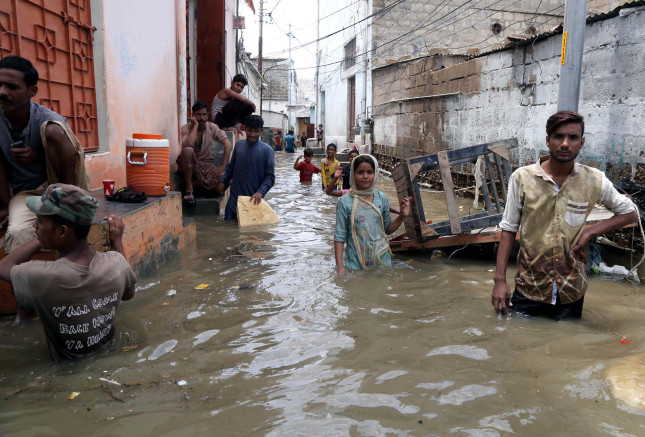
Given that Pakistan is one of the most climate-vulnerable countries in the world, Washington shouldn’t write it out of the climate change cooperation script
The White House has announced the names of 40 world leaders invited by US President Joe Biden to participate in a virtual global climate summit on April 22-23. Many Pakistanis are unhappy – and with good reason – that Prime Minister Imran Khan isn’t on the list.
-
Guest Contributor
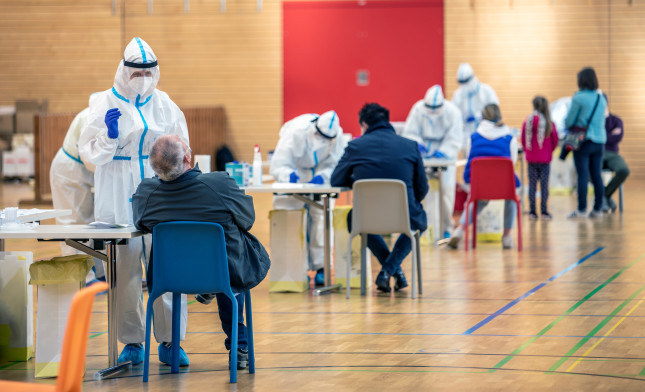
Creating a New Normal with a New Global Public Health System
MORE
“Ask a big enough question, and you need more than one discipline to answer it,” said modern dance legend Liz Lerman.
As the COVID-19 pandemic spread across the globe, the World Health Organization (WHO) warned that there would be no going back to normal. They knew a failure to make timely and accurate public health decisions for a pandemic would prove to be the “difference between life and death.” How correct they were.
-
From the Wilson Center
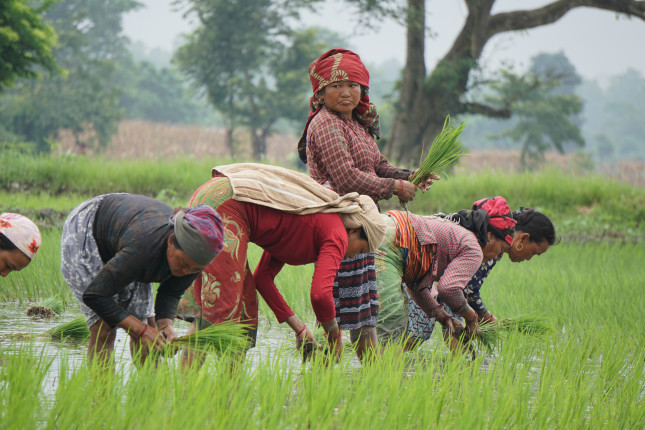
Embracing Risk: Lessons Learned from Integrating Climate Adaptation and Biodiversity Conservation in Nepal
MOREThe Hariyo Ban Program is one of the best examples of a sustainable development initiative that I’ve ever seen, said Nik Sekhran, Chief Conservation Officer of the World Wildlife Fund-US during a recent Wilson Center event on lessons learned from a decade of building resilience through participatory and inclusive natural resource management, climate adaptation, and biodiversity conservation in Nepal.
-
Guest Contributor
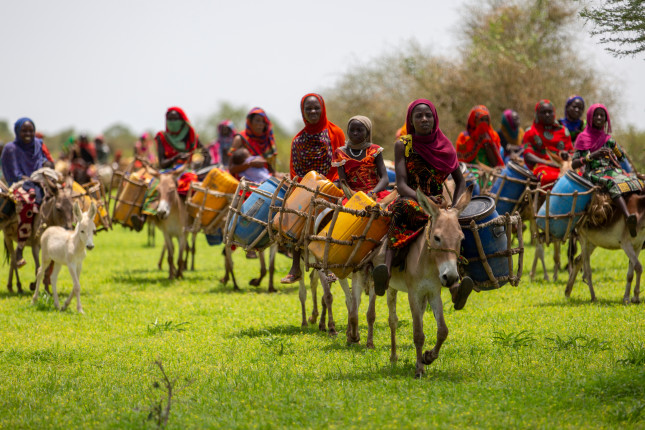
No Peace Without Water, No Water Without Peace, and Neither Without Women’s Empowerment
MOREWater deprivation is increasingly recognized as a political and security problem. Tensions resulting from the growing imbalance between global water demand and supply can escalate into conflict. Efforts to solve water-related conflicts and promote water cooperation for peace, termed “water diplomacy” or “hydro-diplomacy,” continue to be male-dominated. Several recent events and related publications are contributing to bridging this persistent gender gap.
-
Can ‘Slow Food’ save Brazil’s fast-vanishing Cerrado savanna?
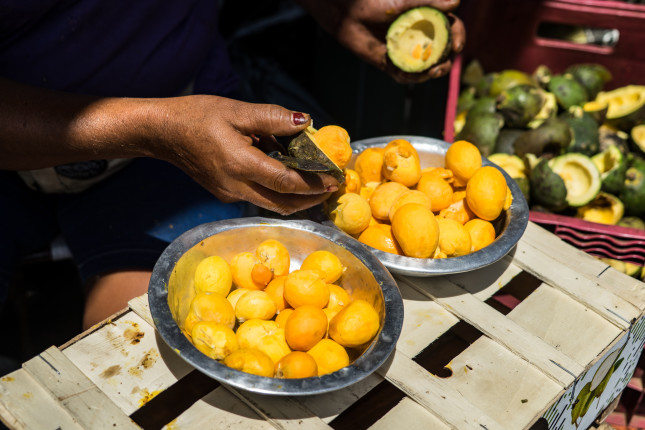
April 2, 2021 // By Wilson Center StaffMOREIt’s November in southeast Brazil, and the tall, feathery macaúba palms (Acrocomia aculeata) are beginning to drop ripe coconuts. By January, the ground is littered with them, as some 67 families that live nearby, outside the town of Jaboticatubas, get to work dragging the trove home.
This coconut serves as the lifeblood for these traditional farming communities in the Cerrado savanna in Minas Gerais state, Brazil. Archaeological sites trace its use back to at least 9,000 B.C.
Every part of the all-purpose coconut is used, from its delicious yellowish flesh to the nut at its core. It’s a favorite kids’ snack, and is used to make a highly nutritious flour, baked into bread and cookies. Livestock eat it too.
-
Guest Contributor
Avoiding Crisis in Jordan’s Tenuous Water Future
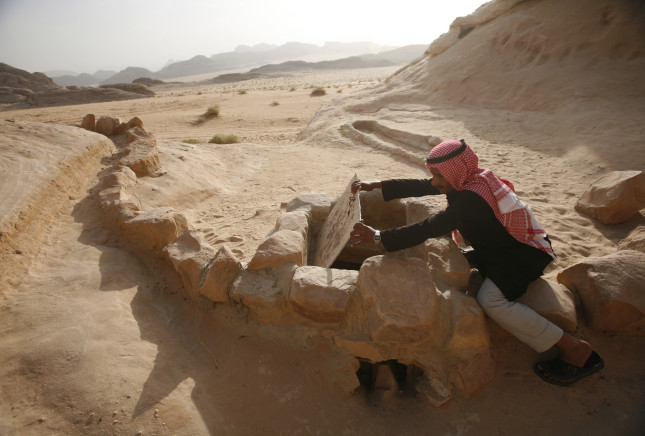
MOREJordan is facing a deepening, multi-faceted freshwater crisis. Climate change and population growth are exacerbating its extremely limited natural water availability and dependence on transboundary rivers and groundwater. Water-poor and functionally landlocked, Jordan serves as an archetype of a water-stressed nation.
-
Guest Contributor
Improving America’s Ecological Security Requires Public-Private Partnerships
MOREIn January, President Biden joined other world leaders in committing to conserve 30 percent of their nations’ lands and oceans by 2030. Also known as “30 by 30,” the pledge aligns government action with the growing recognition by the intelligence community that the loss of ecosystems and biodiversity presents serious risks to the U.S. economy and national security. Risks to the U.S. include the expanded likelihood of wildlife-borne diseases spilling over into our communities, water system challenges, decreased crop production, and increased natural disasters like floods.
-
China Environment Forum // Guest Contributor
The Unfinished Battle for Drinking Water Security in Post-poverty Rural China
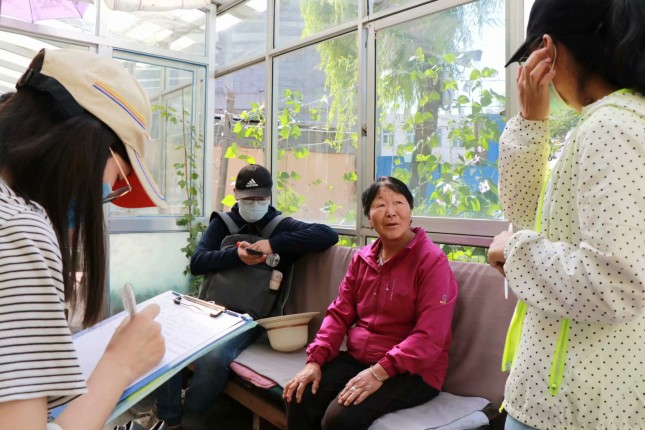
MOREThe Huangzhong district in Xining city, the capital of Qinghai Province, is home to 8,980 families, all of whom received assistance under China’s national policy to eradicate extreme poverty (below 2,300 yuan per person per year). Through social assistance and private sector financing, Huangzhong district succeeded in lifting all 28,706 residents out of extreme poverty after a four-year battle. In April 2019 the district proudly celebrated its official removal of the “poverty alleviation county” label.
 A Publication of the Stimson Center.