-
Signs and Signals: Exploring How a Novel Foresight Approach Gains Prominence
›
A number of highly respected research entities in the US and abroad—including the US National Intelligence Council and the European Union—produce hefty global trends reports. These valuable in-depth guides inform new policies (such as USAID’s just-released Democracy, Development and Human Rights Policy)—or refresh older ones. They focus on the risks, uncertainties, and opportunities that lie ahead for the international development community, and they can provide an empirical basis to shape ongoing and future aid programming.
-
ECSP Weekly Watch | August 26 – 30
› A window into what we are reading at the Wilson Center’s Environmental Change and Security Program
World Food Program Faces Scrutiny Over Fraud in Sudan (Reuters)
As Sudan suffers an immense humanitarian crisis due to an ongoing internal conflict between the Army Forces and the paramilitary Rapid Support Forces (RSF), the U.N. World Food Program (WFP) has provided crucial aid to people displaced by the conflict. Yet its ability to continue this crucial work is now under threat because of allegations of illicit activities made against its top officials in that country. These developments have drawn the attention of humanitarian practitioners and diplomats—who also have concerns regarding WFP’s mismanagement and how it might have contributed to the failure to deliver enough aid in Sudan.
-
Mine the Tech Gap: Why China’s Rare Earth Dominance Persists
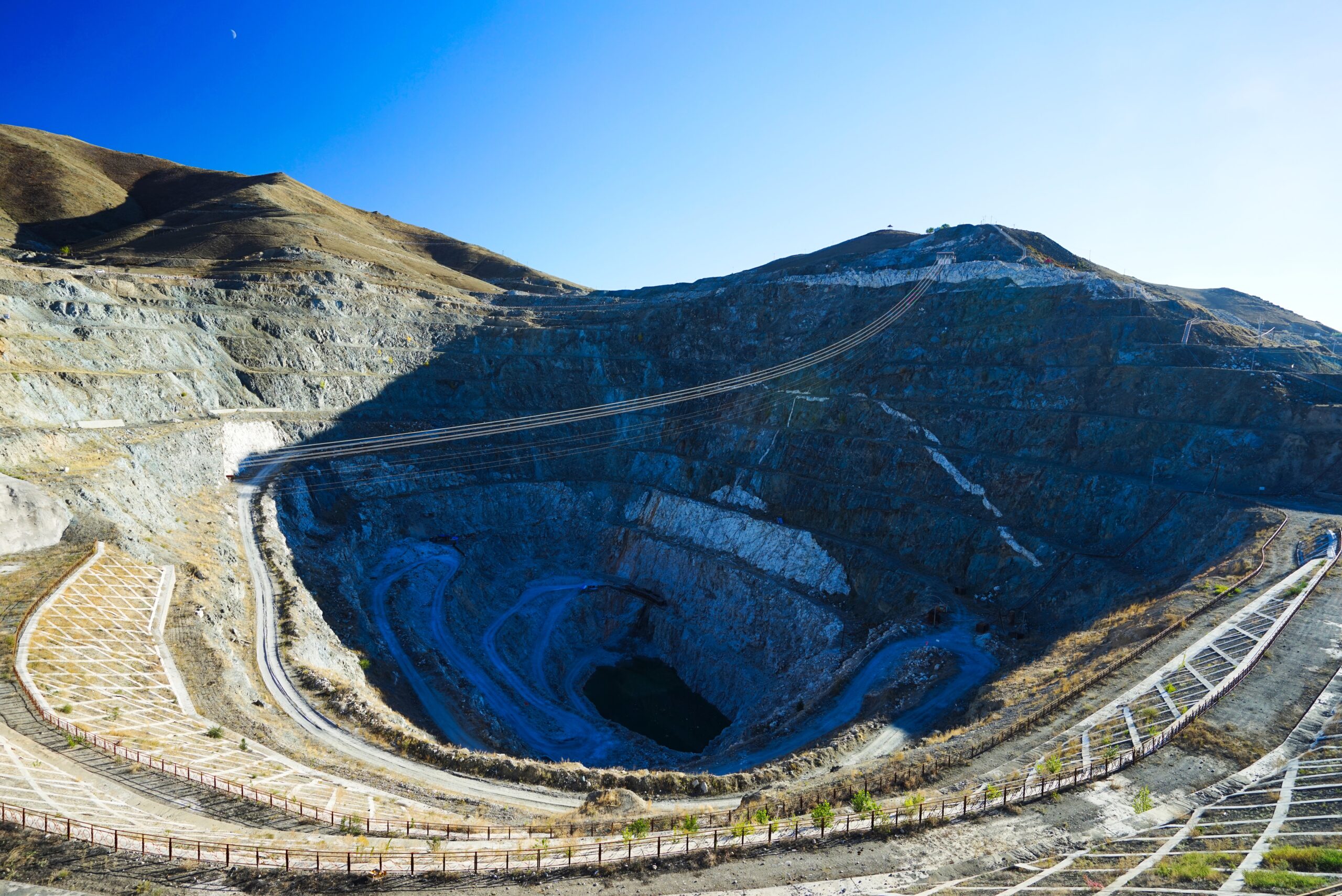
›China and the Global Energy Transition // China Environment Forum // August 29, 2024 // By Nayan SethIn 2019, at the height of the trade war with the United States, Chinese President Xi Jinping visited a rare earth magnet factory in Jiangxi Province. At the time, the visit was interpreted as “muscle flexing” by China’s leader to remind Washington of its dependence on Beijing for the supply of rare earths. Rare earth elements (REEs) – a group of 17 critical metals – are indispensable components in military defense systems, consumer electronics and renewable energy technologies. Despite more than a decade of sustained efforts by Western countries and companies to loosen China’s grip, Beijing, by far remains the top player in the REE global mining, processing and refining sectors.
-
Environmental NGOs as Tools of State Security Policy: A Growing Trend
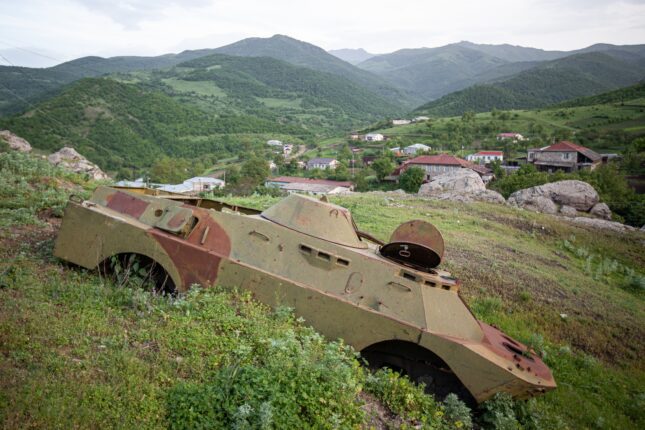
›For a group of self-described environmentalists, the roughly two dozen Azerbaijanis who suddenly assembled along the highway near the Armenian border in late 2022 looked like a pretty atypical lot. None of them appeared to have a background in any kind of green movement. Nor did any of them, clad in largely matching cold weather gear, attempt to explain how they could protest mining operations (their declared raison d’être) without encountering problems in a police state. Indeed, they remained unbothered even as their numbers swelled over the following weeks.
-
ECSP Weekly Watch | August 19 – 23
›A window into what we are reading at the Wilson Center’s Environmental Change and Security Program
What’s Next for the Teesta Water Disputes? (The Hindu)
The recent political upheaval in Bangladesh which led to the resignation of Prime Minister Sheikh Hasina and the return of Nobel Peace Prize laureate Muhammed Yunus as leader of an interim government is not the only tumult in this nation. A worsening trend in weather events there has heightened Bangladesh’s exposure to climate shocks and allowed a dispute over the Teesta River to reemerge.
-
Scaling up the Reuse Revolution in the Global South
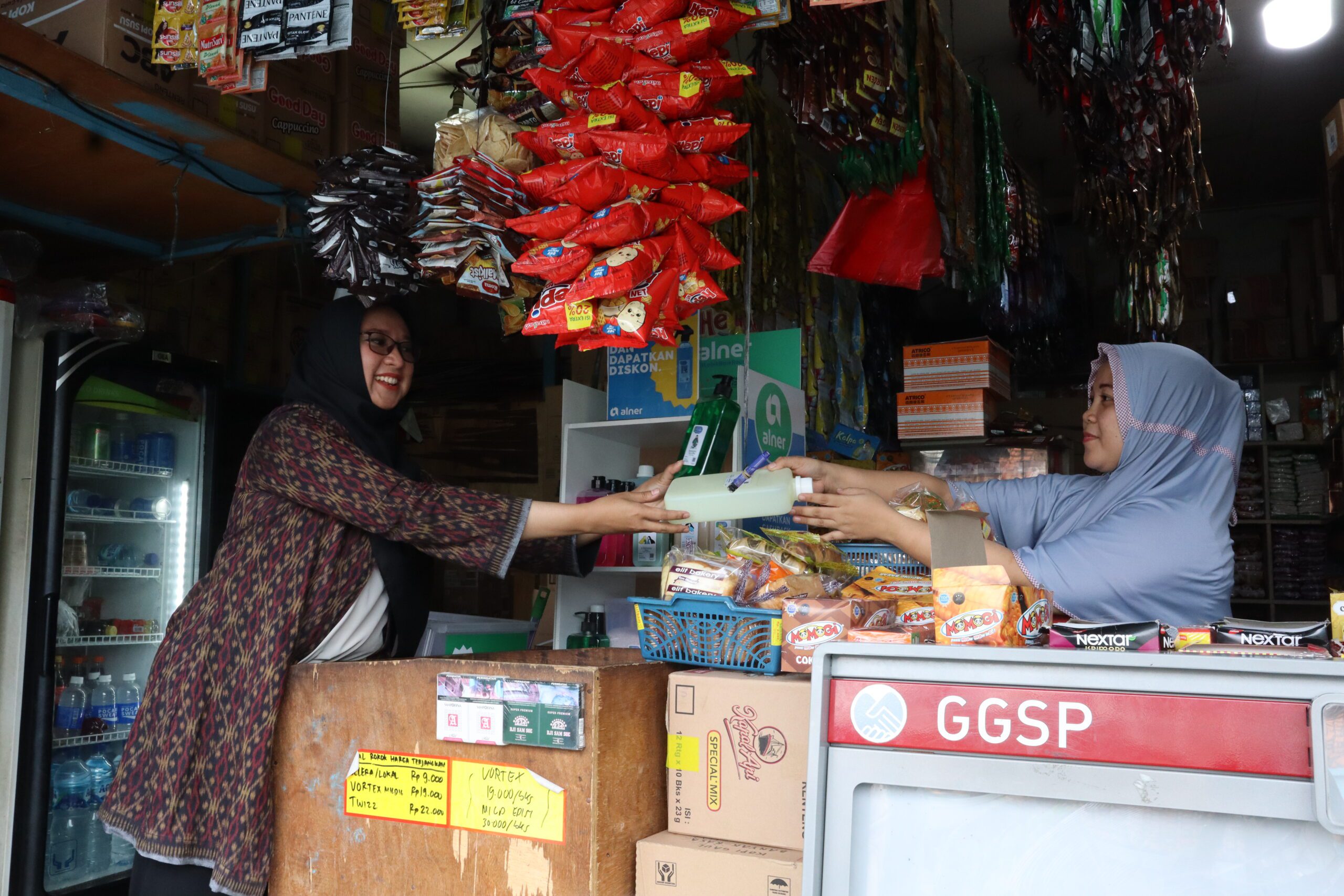
›China Environment Forum // Guest Contributor // Vulnerable Deltas // August 22, 2024 // By Eline Leising & Firda IstaniaIn the last months of 2023, 30 landfills caught fire in Indonesia, highlighting a dangerous health risk and a symptom of the country’s failing waste management system. Most of these landfills are overflowing open dump sites. Moreover, not all waste ends up here, as large amounts — particularly low-value plastics like sachets and pouches — are never collected. Indonesia ranks among the top 10 global plastic polluters. The country generates 7.8 million tons of plastic waste annually, 63% of which is mismanaged. Most of these mismanaged plastics are thrown into rivers, dump sites or burnt by individuals, releasing toxic substances into the air.
-
Moving Beyond Fertility Targets
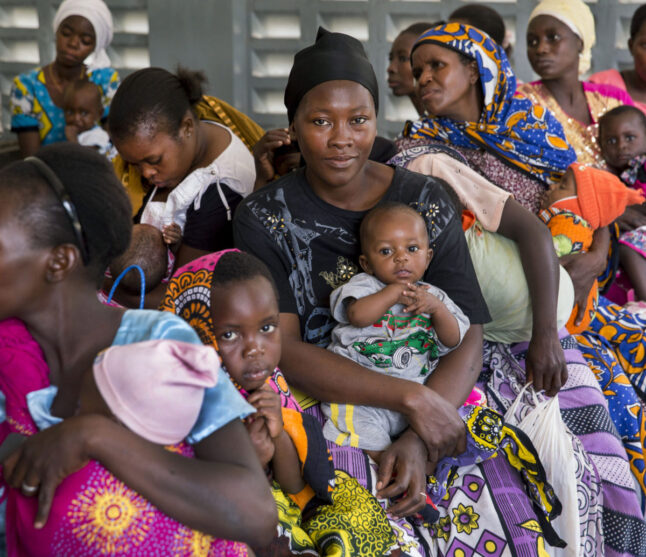
›We’re often told that we’re living during a population crisis, a time of simultaneous concerns born of too many people to sustain necessary resources for a healthy planet, and too few working-age people to support a healthy economy. Population dynamics and trends are key to national and international security and contribute to the overall wellbeing of a society. Fertility, along with mortality and migration, is central to population and its importance to demographers, policymakers, economists, and a country’s development is without question. But focusing on population trends without considering the experiences of the billions of individuals who make up those trends—each with a unique life course, personal aspirations, and individual potential—establishes an unhealthy and dangerous tension that can strip women of their rights and leave them socially disenfranchised.
-
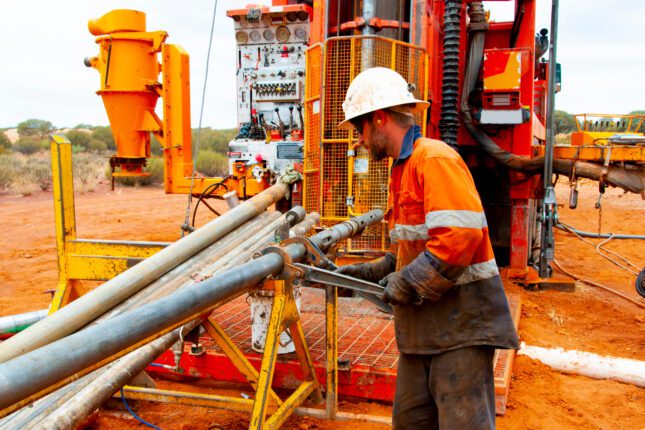
Supercharging US Mineral Exploration: A Call for Federal Support
›Critical minerals—and the soaring demand for them—are a key challenge for policymakers and analysts around the world. The factors driving that demand, especially energy transition technologies like electric vehicle batteries, are usually the focus of discussion. But the story of critical minerals is two-sided; it features both demand and supply.
 A Publication of the Stimson Center.