-
The Arc | Climate Justice in the Arctic: Part 1
›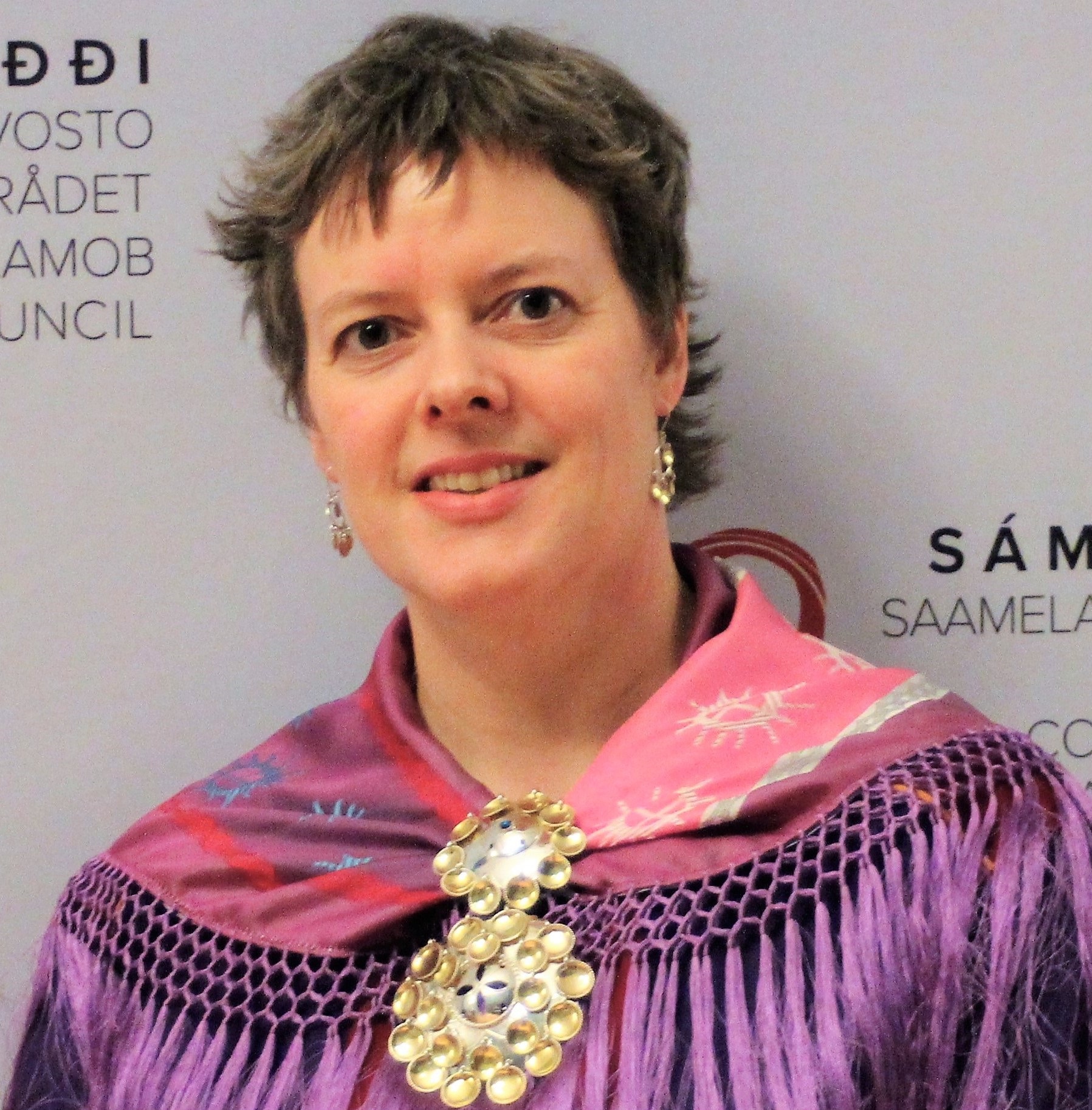 In today’s episode of The Arc, ECSP’s Claire Doyle and Angus Soderberg interview Gunn-Britt Retter, Head of the Arctic and Environmental Unit at the Saami Council, in part one of three episodes focused on climate justice in the Arctic. We dive into Gunn-Britt’s background and her work on the Saami Council. Gunn-Britt outlines how climate change is impacting the livelihoods and daily lives of the Saami people and how even our responses to climate change can threaten Indigenous rights and land use. She also makes the case for a fundamental reexamination of our relationship with nature to make progress on addressing climate change. Select quotes from the interview are featured below.
 -
ECSP Weekly Watch | August 12 – 16
›
A window into what we are reading at the Wilson Center’s Environmental Change and Security Program
Mpox Outbreak a Global Health Emergency, Again (The Washington Post)
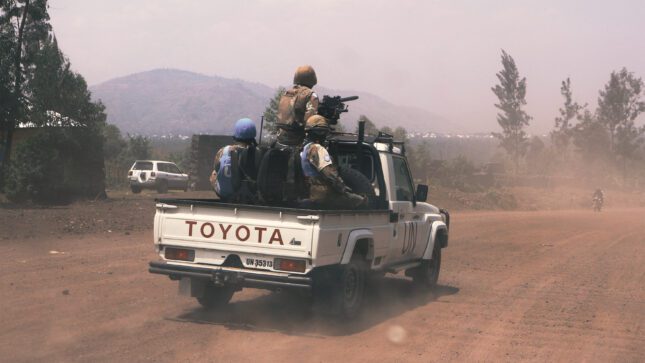
Various rapidly spreading mpox strains in Central and East African countries have led the World Health Organization (WHO) to declare the viral infection as a global health emergency. More than 15,000 people have been infected this year alone, with over 500 deaths reported. Mpox is transmitted largely through exposure to infected animals, as well as via skin-to-skin or sexual contact, and it disproportionately affects heterosexuals and sex workers.
-
How to Diversify Mineral Supply Chains – A Japanese Agency has Lessons for All
›China and the Global Energy Transition // China Environment Forum // August 15, 2024 // By Nayan SethOn October 27, 2010, after meeting with her Japanese counterpart, US Secretary of State Hillary Clinton expressed concerns over allegations of a Chinese ban on exports of Rare Earth Elements to Japan. “This served as a wakeup call,” she announced while advocating for “additional sources of supply.” Beijing’s alleged ban came after skirmishes in the disputed Senkaku Island waters. But apart from Japan, not many countries acted on the wake-up call.
-
By Women, For Women: Global Advocacy for Women’s Rights and Health
›Gambian lawmakers voted on July 15, 2024, to maintain the nine-year old ban on female genital cutting (FGC). Also known as female genital mutilation (FGM), female genital cutting is defined by the World Health Organization as “all procedures that involve partial or total removal of the external female genitalia, or other injury to the female genital organs for non-medical reasons.” The negative health outcomes of FGC can include severe pain, infections, sexual health problems, and obstetric complications.
-
Accelerating the Transition: Can the U.S. Support India’s Path to Net Zero?
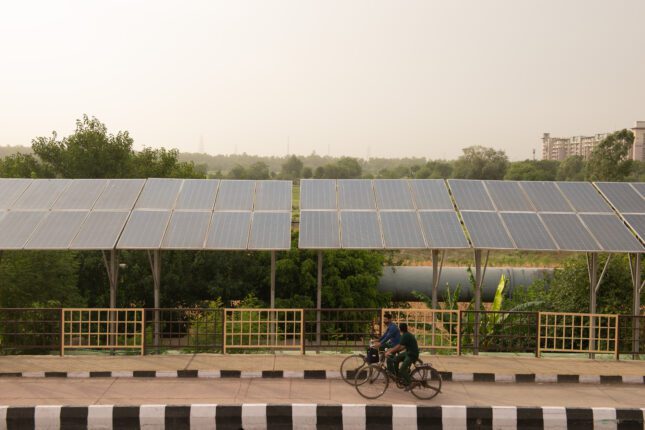
›Energy is a bridge that has historically fostered the U.S.-India relationship. The reasons are many. Both economies focus on energy security, climate action, economic cooperation, and technological innovation.
Recent innovations in India offer new challenges and opportunities. The country has rapidly deployed renewable energy (RE) technologies to meet its stated Net Zero targets. This effort has exceeded its promises; 40% of India’s electricity now comes from renewable sources. And the nation’s other ambitious target— installing 450 GW—would triple this existing capacity in less than ten years.
-
ECSP Weekly Watch | July 29 – August 2
›A window into what we are reading at the Wilson Center’s Environmental Change and Security Program
How One Loss and Damage Fund Bore Fruit (The Guardian)
The Loss and Damage Fund established during the UN COP27 was a monumental breakthrough in the climate finance realm and aimed to provide financial assistance to vulnerable nations impacted by climate change. Such damage can be catastrophic. When Cyclone Freddy hit Malawi in 2023, it killed 1,200 people and displaced 659,000 more. The estimated economic loss exceeded $1 billion, and it landed especially hard on farmers—including the women who make up more than 70% of Malawi’s agricultural workforce.
-
Search for a Just Transition in China’s Shift Away from Coal
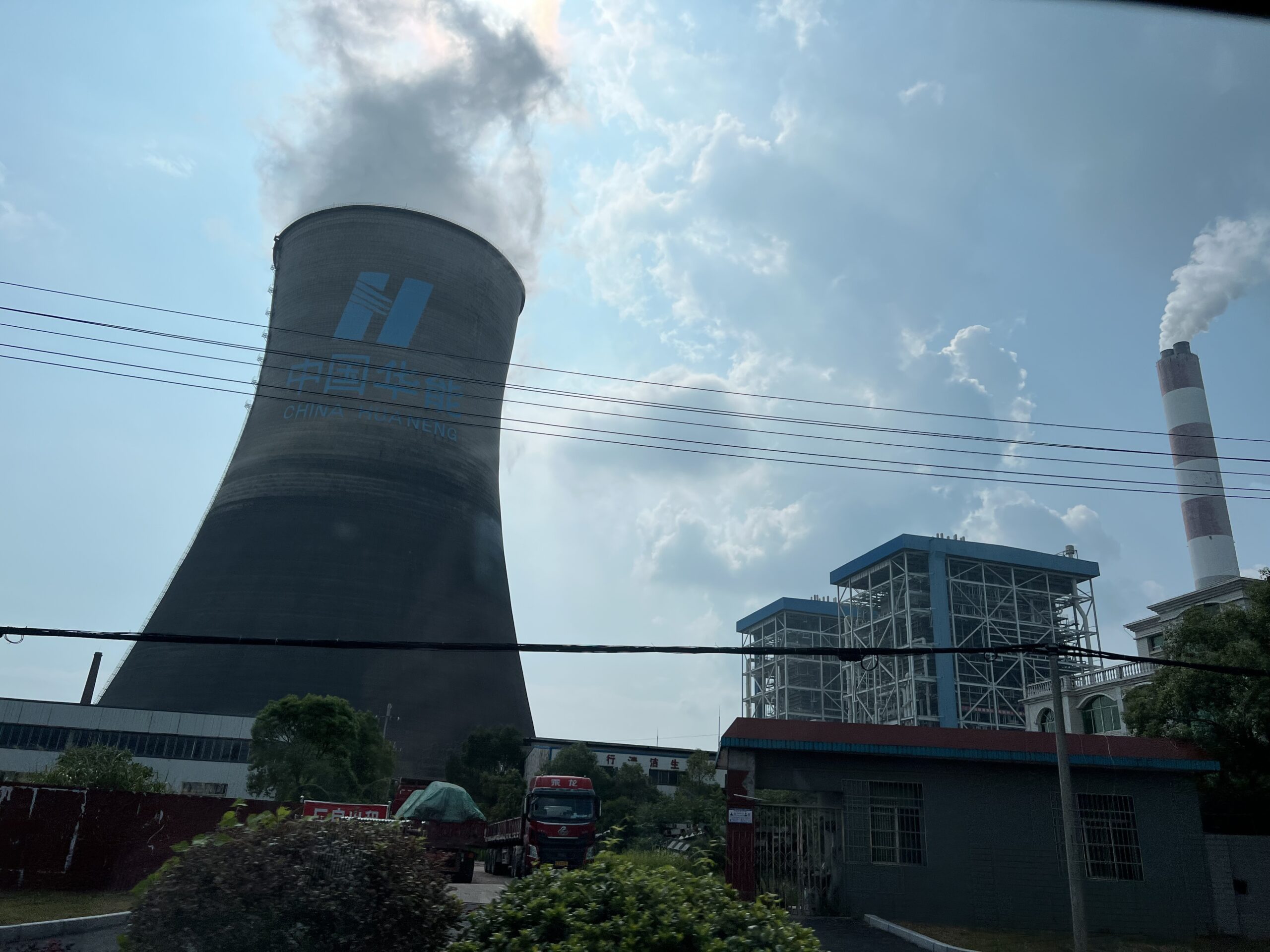
›In 2023, I embarked on a journey with a group of energy policy researchers from Beijing to visit several Chinese coal cities. We wanted to understand the implementation of China’s decarbonization policies in the heartland of coal mining. As we drove into a coal-rich town in western Shanxi Province, the narrow roads were filled with loud rumbling coal trucks. Amid soot-streaked buildings, newer homes housed families who were relocated from areas affected by coal mining subsidence. The town’s existence hinged on coal. Yet, this dependency has an expiration date — the local mines will be depleted in 10 to 15 years.
-
Going Beyond “Conflict-free”: Transition Minerals Governance in DRC and Rwanda
›Resource-rich nations such as the Democratic Republic of Congo (DRC) and Rwanda—which produce minerals ranging from coltan, cobalt, gold, tungsten, and tantalum, to tin (3TG)—hold tremendous importance in the global supply chains. The DRC produces 70% of global cobalt production, while its neighbor, Rwanda, generates around 30% of Tantalum.
 A Publication of the Stimson Center.