-
Earlier Assessments of Conflict Damage Can Spur Timely Relief
›
The widespread destruction of infrastructure has been a calamitous and common feature across many of the recent wars in the Middle East and North Africa and Ukraine—and urban landscapes such as Aleppo, Raqqa, Kharkiv, Mariupol, and Gaza City have borne the brunt of attacks. Without clean drinking water, electricity, treated sewage, food supplies, and medical services, cities become uninhabitable, disrupting the infrastructure upon which populations depend for basic services, and often leading to their forcible displacement. Civilians are also at risk of malnutrition, starvation, and preventable diseases that spread from dirty water and raw sewage in urban centers.
-
Thought-leaders and Frontline Workers in Environmental Peacebuilding: An Oral History | Carl Bruch
›Environmental Peacebuilding Oral History // New Security Broadcast // July 26, 2024 // By Claire Doyle In this episode of New Security Broadcast, ECSP’s Claire Doyle speaks with Carl Bruch, Senior Attorney and Director of International Programs at the Environmental Law Institute and the founding President of the Environmental Peacebuilding Association. Bruch is a recognized expert on environmental governance and environmental peacebuilding around the world, having worked to provide legal assistance and capacity building in dozens of countries throughout the Americas, Asia, Africa, and Europe. And he has been a key leader in the field of environmental peacebuilding, from the early conversations and visioning to the growing traction of the field today.
 -
ECSP Weekly Watch | July 22 – 26
›A window into what we are reading at the Wilson Center’s Environmental Change and Security Program
Worsening Health Conditions in War-Torn Gaza (BBC)
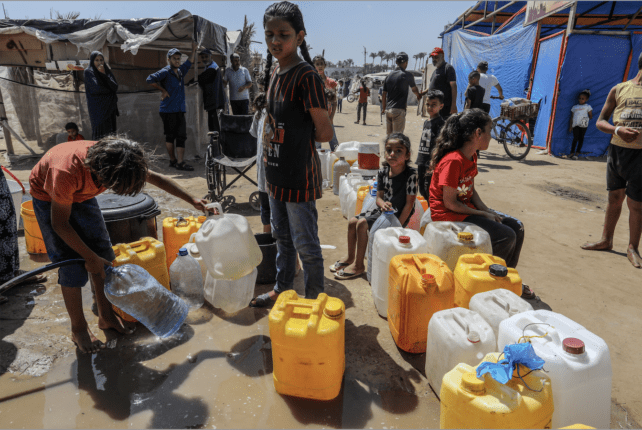
Water infrastructure in Gaza was already weak before the beginning of the war in 2023, but intensified conflict and siege of critical infrastructure the damage wreaked by Israel’s military forces on critical infrastructure (including water, energy, and food), has left 70% of the people in Gaza exposed to salinated and contaminated water. Traces of polio have been found in wastewater flowing both between displacement camp tents and in inhabited areas, and experts suggest that this water might be circulating.
-
“A Devastating Toll”: Sudan’s Maternal Health Nightmare
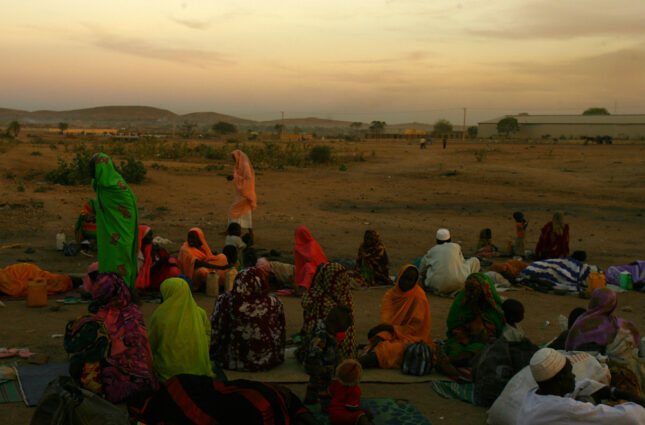
›Ongoing fighting in Sudan has led to a devastating humanitarian crisis that United Nations Humanitarian and Emergency Relief Chief Martin Griffiths calls “one of the worst humanitarian nightmares in recent history.”
Among the millions of people harmed by the fighting are countless pregnant people and new mothers, who face direct and indirect threats to their health and lives in the country’s renewed conflict. Sudan was already suffering from a maternal mortality crisis prior to the onset of its latest civil war. Before the most recent round of bloodshed, Sudan’s maternal mortality rate stood at 270 deaths per 100,000 live births in 2020 – higher than the global average of 223 deaths. And as this crisis worsens, it is imperative to call attention to what is occurring there.
-
ECSP Weekly Watch | July 15 – 19
›A window into what we are reading at the Wilson Center’s Environmental Change and Security Program
Shedding Light on Imperial Oil’s Dark Waters (Mongabay)
Canada has the fourth-largest tar sands (oil deposits) in the world. Separating the bitumen used in industries and construction creates large volumes of toxic wastewater, which is stored in tailings ponds that now cover a staggering 270 square kilometers. Unresolved infrastructure mishaps at one such site in Alberta operated by Imperial Oil means that contaminants have polluted nearby waters so significantly that it has affected public health and the livelihoods of indigenous communities in downstream areas.
-
Cool Communities: Raising Awareness about Green Cooling in China
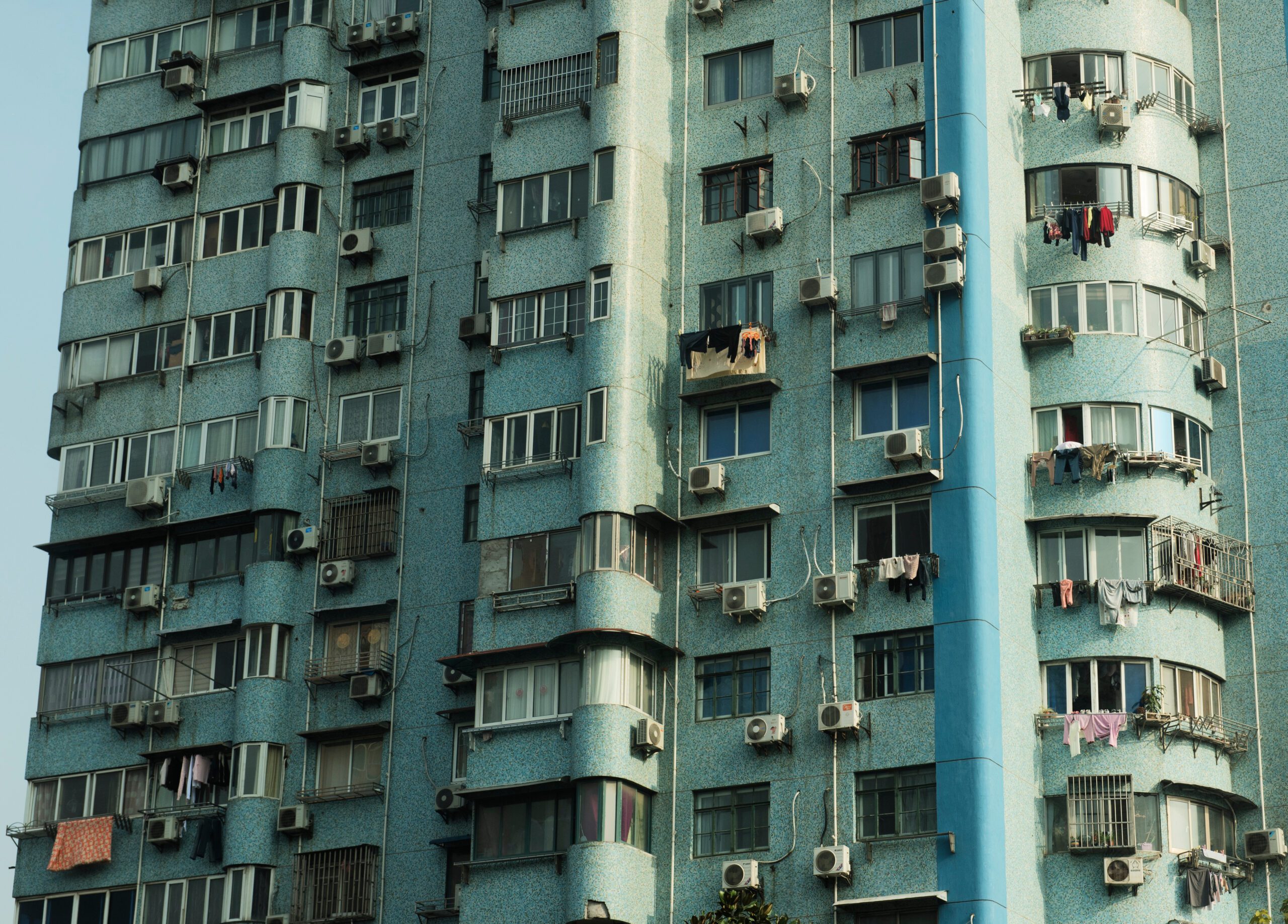
›Li Meini, a junior high school student in Beijing’s Tiantongyuan Community, was seeing more news about wildfires, floods and heat waves and couldn’t stop worrying about the safety of the local wildlife. “…Animals have nowhere to escape from wildfires and floods…their homes are destroyed in an instant. Humans have technology to reduce the impact of climate warming. I hope these technologies can also help wild animals better survive.”
-
No, the Panama Canal is Not Running Dry
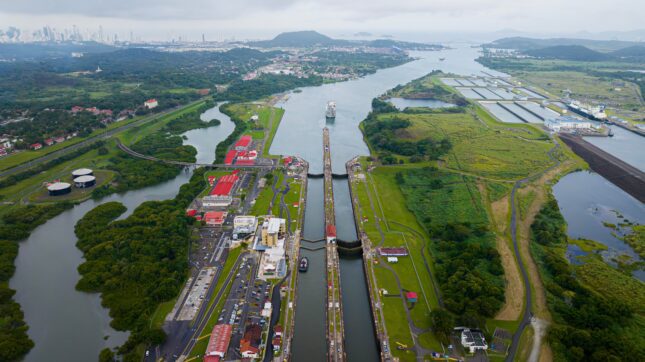
›Earlier this year the media made much ado about drought conditions constraining traffic through the Panama Canal. But is it really all they’re making it out to be?
The most recent drought conditions started with below-average rainfall in late 2022, and by January 2024 were being described as the worst drought in Canal history. The Panama Canal Authority (ACP) ranked 2023 as the second driest year since 1950. News articles reported cargo traffic was reduced by nearly 40% and that the world faced a $270 billion traffic jam in Panama.
-
Reinvigorating US Development Assistance
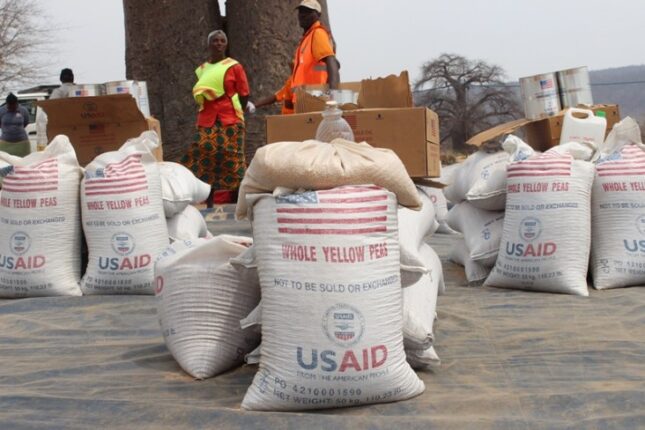
›Americans often hear arguments demagoguing exorbitant and wasteful development assistance spending. In an election year, these voices multiply. And they have influence. Past polls have shown that Americans believe that their government spends roughly 25 percent of the federal budget on foreign aid. The real total actually hovers around less than 1 percent.
 A Publication of the Stimson Center.
 In this episode of New Security Broadcast, ECSP’s Claire Doyle speaks with