
-
Environmental Cooperation in the Middle East: A Conversation with Dr. Tareq Abu Hamed
› In today’s episode of New Security Broadcast, Wilson Center Global Fellow and environmental journalist Anneliese Palmer speaks with longtime leader in regional environmental diplomacy and Executive Director of the Arava Institute for Environmental Studies, Dr. Tareq Abu Hamed. In their conversation, Dr. Hamed unpacks the opportunities and challenges of climate and environmental diplomacy, environmental peacebuilding efforts in Gaza and the Middle East, as well as his role in Jumpstarting Hope, a project that works to provide essential services such as safe drinking water and sustainable electricity to communities in Gaza.
 -
ECSP Weekly Watch | July 8 – 12
›
A window into what we are reading at the Wilson Center’s Environmental Change and Security Program
Climate Security and Canada’s Promises to NATO (Global News)
As a founding member of the North Atlantic Treaty Organization (NATO), Canada has been influential in the integration of climate change policy with the alliance’s mission. It supported the development of NATO’s Climate Change and Security Action Plan aligning with the alliance’s core tasks of deterrence and defense, crisis prevention and management, and cooperative security. Following the Canadian proposal 2021, Global Affairs Canada and the Department of National Defense jointly lead NATO’s Climate Change and Security Centre of Excellence (CCASCOE) to research and identify best practices to address climate change and security-related challenges.
-
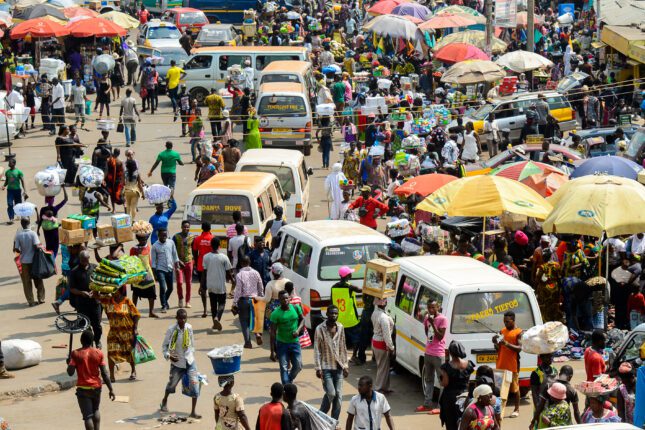
World Population Day: Revitalizing Discourse on Population, Development, and Rights
›July 11 is World Population Day—designated annually by the United Nations as a focused opportunity to examine population trends and their implications for society. This year, World Population Day offers a chance to reflect on the 30th anniversary of one of the largest and arguably most influential world population conferences in history—the 1994 International Conference on Population and Development (ICPD).
-
How China’s most ‘Futuristic’ City Restored its Mangroves
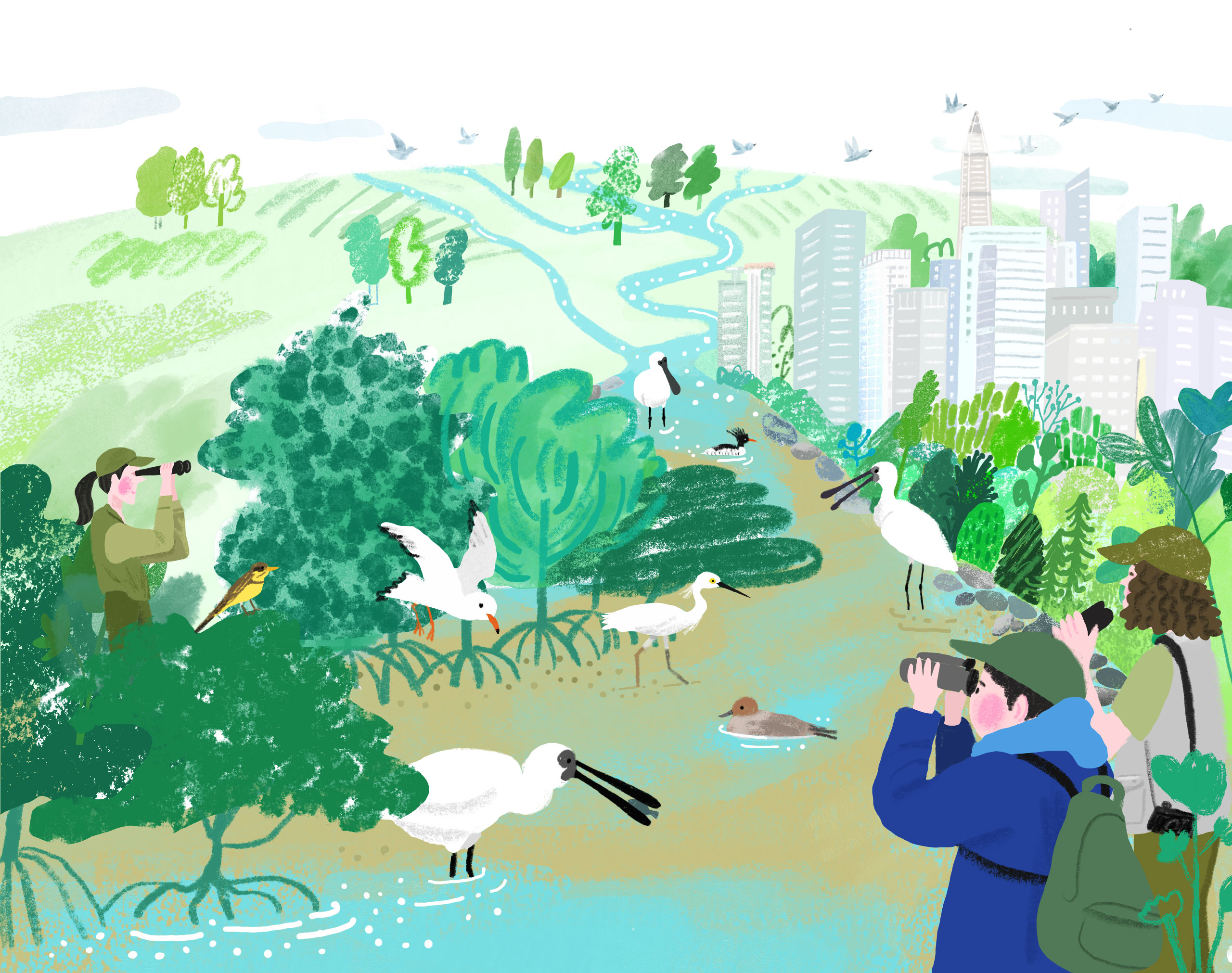
›China Environment Forum // Guest Contributor // Vulnerable Deltas // July 11, 2024 // By Yingxin FengEach spring, as Shenzhen’s mangroves burst into life, the region becomes a prime spot for birdwatchers observing the endangered, black-faced spoonbill. Known as the giant panda of birds, this species winters in Shenzhen Bay from October to April, in preparation for its northbound migration. Shenzhen Bay, located in southern China and part of the Pearl River Delta expanding into Hong Kong, is a crucial stop-off point for migratory birds using the East Asian-Australasian flyway. The mangroves support over 200 species of birds and host 100,000 migratory birds each winter, drawing enthusiasts and scientists alike to witness these natural spectacles against the backdrop of one of China’s most bustling urban settings.
-
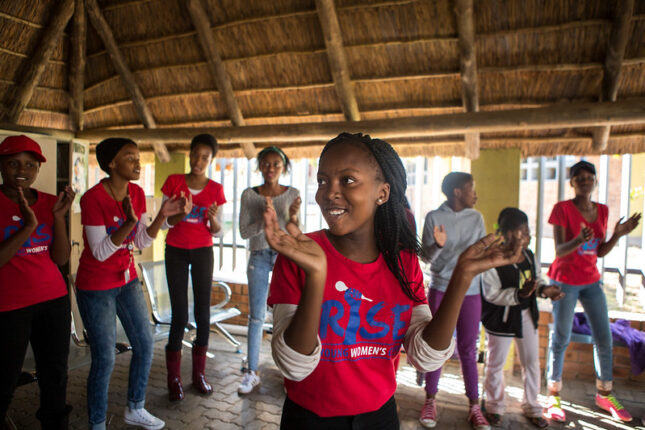
New Injectable Promises Complete Protection from HIV for Young Women
›Last month, the biopharmaceutical company Gilead shared groundbreaking results from a recent clinical trial (PURPOSE1) for long-acting injectable HIV prevention. The twice-yearly injectable drug, lenacapavir, provided total protection from HIV for a test group of 2,134 women in Uganda and South Africa. While lenacapavir has been used to treat multi-drug resistant HIV since 2022, this trial marks the first usage as pre-exposure prophylaxis (PrEP). PrEP is one tool to prevent the virus, and refers to anti-retroviral medication taken by people who do not have HIV to reduce the risk of contracting it through sexual transmission or injection drug use. These new findings offer immense promise for the future of PrEP as a global tactic to protect young women from contracting HIV.
-
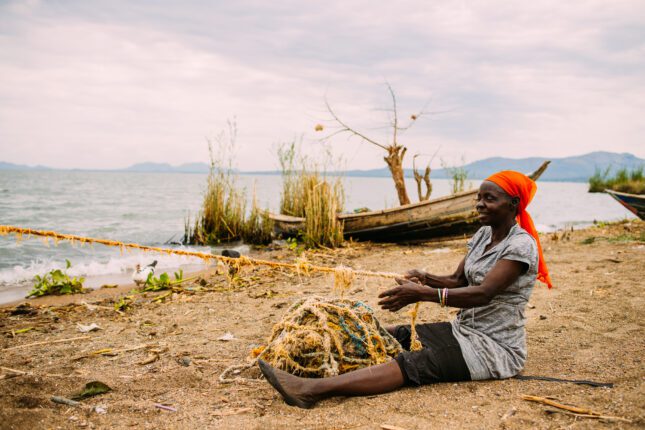
Weaving Baskets of Change: Women Organizing in Kenya’s Fisheries and Aquaculture
›Mildred is a fish trader in Kenya. I met her a few years ago, when I was conducting research. (“Mildred” is not her real name; I promised all my participants anonymity as I worked.) She mentors, trains, and educates young women on how to dry, gut, fry fish, and run successful fish businesses.
-
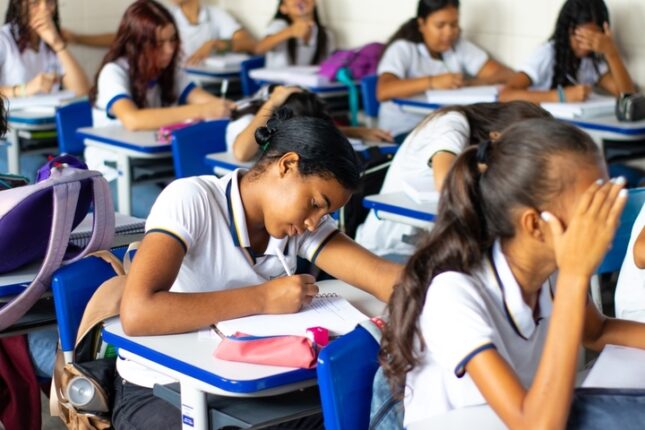
Sexuality Censorship: Brazilian Sex Education Suppression Hurts LGBTQ Youth
›Brazil’s federally mandated, comprehensive sexuality education (CSE) is under fire. A report by Human Rights Watch (HRW) found that over the past decade, conservative groups have put forth more than 200 legislative proposals with the express intent to ban sexual orientation and gender education in primary and secondary schools.
-
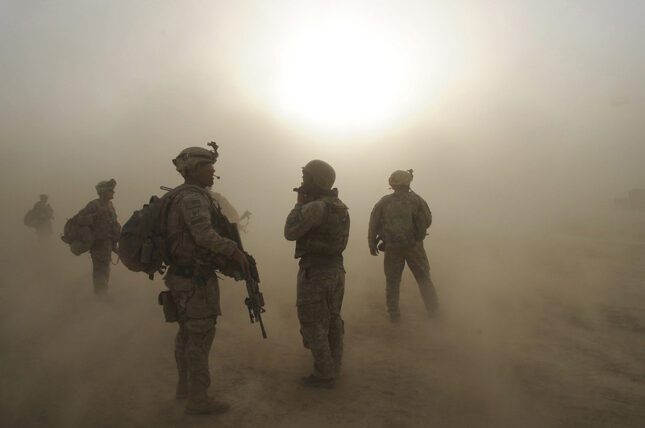
An Interview with NATO’s Paul Rushton on the Alliance’s Climate Security Efforts
› When senior officials from 32 countries meet in Washington, DC next week for the NATO Summit, deterrence and defense, as well as Ukraine and global partnerships, are at the top of the agenda. As NATO Secretary General Jens Stoltenberg observed at a recent Wilson Center event: “The war in Ukraine demonstrates that our security is not regional, it is global – not least because of the support we know Russia is getting from China and others.”Under Stoltenberg’s leadership, NATO has recognized that climate change is also reshaping the security landscape. In 2021, NATO launched a Climate Change and Security Action Plan which positions the organization as a leader in understanding and adapting to climate impacts on security. Two years later, the NATO Climate Change and Security Centre of Excellence (CCASCOE) was established in Montreal.
 A Publication of the Stimson Center.
 When senior officials from 32 countries meet in Washington, DC next week for the NATO Summit, deterrence and defense, as well as Ukraine and global partnerships, are at the top of the agenda. As NATO Secretary General Jens Stoltenberg observed at a recent Wilson Center event: “The war in Ukraine demonstrates that our security is not regional, it is global – not least because of the support we know Russia is getting from China and others.”

