-
Research in a Changing Arctic Must be Prioritized
›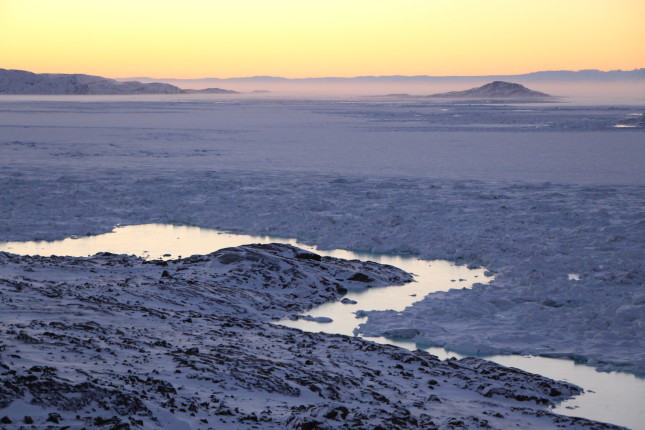
The Arctic is changing, and it’s changing fast, even faster than models had predicted. The most recent Intergovernmental Panel on Climate Change (IPCC) report found with strong confidence that the Arctic is warming two to three times faster than the global average.
-
Nothing Marvelous About Plastic Waste: China’s Pollution Endgame
›
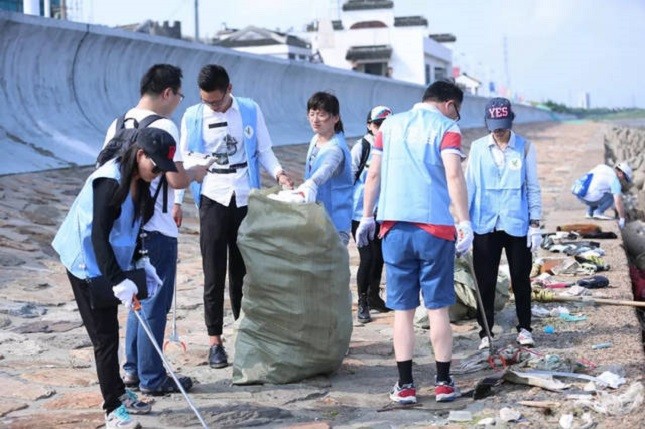
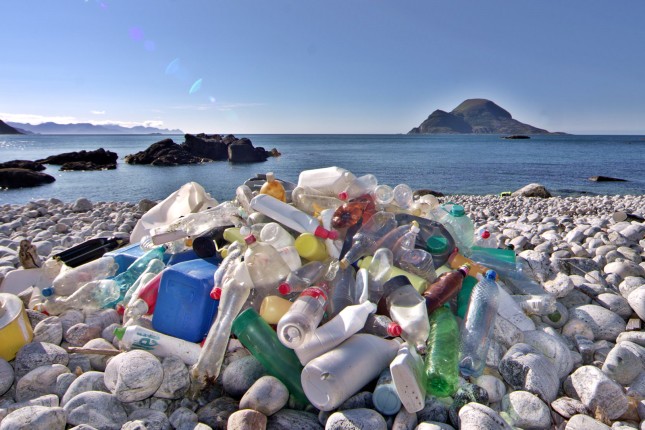
Our world is drowning in plastic pollution with nearly 8 million tons of single-use plastic and some 700,000 tons of abandoned fishing gear leaking into marine ecosystems each year. Plastic waste endangers marine species. For example, animals become entangled in abandoned nets. Marine birds, fish, whales and sharks are sickened or die when they accidentally ingest plastic. According to a 2017 study, around 90 percent of single-use plastic that pollutes our oceans comes from 10 rivers, 6 of which are in China. No Avenger superheroes can make this problem go away; rather the world needs heroic efforts by consumers, businesses, and governments to curb these plastic leaks. Encouragingly, China’s war on pollution has catalyzed new bottom-up activism and top-down policies that are starting to spur action to reduce plastic leakage.
-
Concerns Rise Over Governance Gap in Arctic
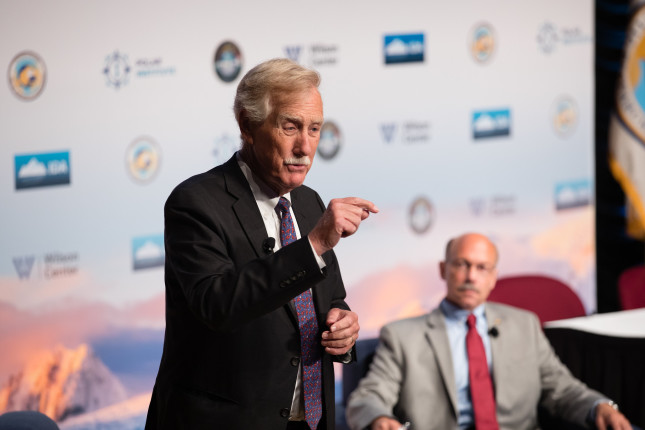
›“We’re attempting to do something that’s never been done before in world history,” said Senator Angus King (I-ME). “The peaceful development of a major new physical asset.” He spoke of the Arctic Ocean at the 8th Symposium on the Impacts of an Ice-Diminishing Arctic on Naval and Maritime Operations. The symposium was hosted by the Wilson Center’s Polar Institute, in partnership with the U.S. Arctic Research Commission, U.S. National Ice Center, Arctic Domain Awareness Center, Patuxent Partnership, St. Mary’s College of Maryland, and the Ronald Reagan Building and International Trade Center.
-
Lost in Translation: How Building “Strong” Institutions can Diminish Human Security in the Global South
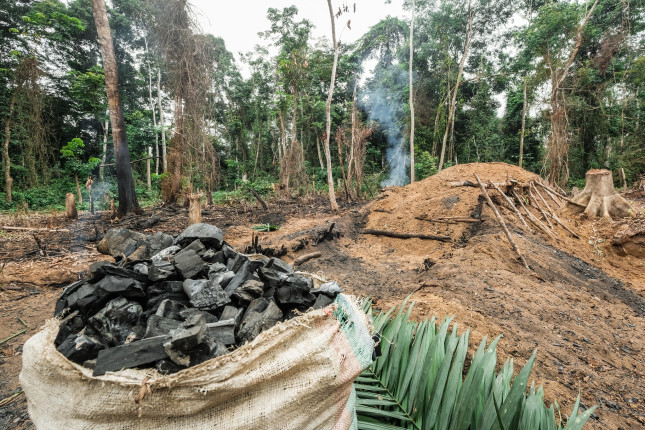
›In the Global South, natural resource conflict has largely been considered a consequence of poor governance and weak political institutions. The international community’s solution? Build “green” governance capacity as a way to mitigate violent conflict and improve environmental outcomes. For the international development community, this has meant introducing laws, policies, and practices based on international standards of best practice, and training local regulators to adhere to those standards.
-
High Seas Biodiversity Treaty Would Prioritize Conservation
›Roughly 20 organizations wield some management authority in the high seas, but none of them have conservation as their core mandate, said Liz Karan, Senior Manager of the Protecting Ocean Life on the High Sea Campaign at the Pew Charitable Trusts. She spoke at a recent Wilson Center event hosted by the Polar Institute and Environmental Change and Security Program. The discussion revolved around aspects of a proposed global treaty on conservation and sustainable use of biodiversity in areas beyond the jurisdiction of any country. “The high seas treaty comes in as an opportunity to put conservation at the focus of the discussion of how we manage the high seas,” said Karan.
-
To Reach Global Climate Targets, Wildlife and Nature Must Be Protected, Report Warns
›April 22, 2019 // By Amanda KingThe Paris Agreement in December 2015 set targets to limit global climate change. To prevent average global temperatures from rising 2°C above preindustrial levels, it recommends limiting the temperature increase to 1.5°C above preindustrial levels. “But the Paris Agreement is only a half-deal; it will not alone save the diversity of life on Earth or conserve ecosystem services upon which humanity depends,” say the authors of a new article published in Science Advances. Their article proposes a Global Deal for Nature (GDN), a time-bound, science-driven plan to save the diversity and abundance of life on Earth.
-
Lower Mekong Governments and Development Partners Seek to Improve Water Data Sharing
›In the Mekong region, there is a general push to strengthen water data management and ultimately make evidence-based infrastructure development and water resources management decisions. The efforts of the region’s governments and development partners will ideally help mitigate the cumulative impacts of infrastructure development on water resources; save lives, livelihoods, and property from potentially devastating floods and droughts; and help natural resources be used sustainably. The challenge will involve navigating potential pitfalls related to technical know-how and harmonization of standards as they develop effective water data sharing platforms.
-
How Building Political Will in Asia Could Improve Environmental Governance
›A high degree of political will is one of several pre-conditions needed for good environmental management, said Kim DeRidder, Regional Director for Environmental Programs at the Asia Foundation. He spoke at a round-table on Advancing Environmental Governance Across Asia hosted by the Asia Foundation. While he emphasized the need to promote political will within Asia, he questioned whether the bold pledges that some Asian countries made in the Paris Agreement, such as the Philippines’ pledge to reduce emissions by 70 percent by 2030 and Indonesia by 26 percent, were realistic given the significant disconnect between what a country claims it is going to do and what it can actually do.
Showing posts from category international environmental governance.