
-
High Seas Biodiversity Treaty Would Prioritize Conservation
July 15, 2019 By Mckenna Coffey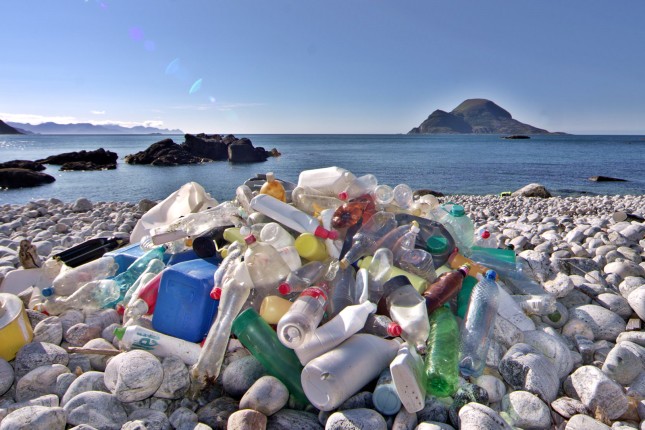
Roughly 20 organizations wield some management authority in the high seas, but none of them have conservation as their core mandate, said Liz Karan, Senior Manager of the Protecting Ocean Life on the High Sea Campaign at the Pew Charitable Trusts. She spoke at a recent Wilson Center event hosted by the Polar Institute and Environmental Change and Security Program. The discussion revolved around aspects of a proposed global treaty on conservation and sustainable use of biodiversity in areas beyond the jurisdiction of any country. “The high seas treaty comes in as an opportunity to put conservation at the focus of the discussion of how we manage the high seas,” said Karan.
In order to meet these conservation goals, United Nations formal negotiations aim to create Marine Protected Areas that regulate human activity to safeguard biodiversity, build resilience to climate change, and maintain ecosystem balance. They are one of the most powerful tools available for protecting areas critical to marine life, said Karan. Marine Protected Areas have been the subject of informal UN discussions since 2002.
Essential to Human Life
“The high seas are home to what scientists believe are among the greatest reservoirs of biodiversity left on Earth,” said Karan. Still, what we’re taking from the ocean is having an impact on the security of the planet, said Sylvia Earle, founder of SEAlliance and former Chief Scientist of the National Oceanic and Atmospheric Administration. Overfishing, international shipping, pollution, and climate change continue to threaten both marine life and habitats. The scale of destruction is enough to totally transform the living conditions of our planet, she said.
Patchwork Quilt
A “patchwork quilt” of governance in the oceans complicates stewardship of the high seas, said Ambassador David Balton, Senior Fellow at the Wilson Center and Former Deputy Assistant Secretary for Oceans and Fisheries at the U.S. Department of State. “A new treaty could coordinate existing treaties that govern a wide range of activities,” said Cymie Payne, Associate Professor at Rutgers University. The legal framework is critical to dealing with the ocean space as a whole, rather than as fragmented parts. “Our first starting point is that we need a legal framework,” said Florian Botto, Second Secretary of the Permanent Mission of the Principality of Monaco to the United States.

Using the Best Available Science
What emerged as a key issue for each panelist was the role of science in shaping how the seas are managed. “Overall, when it comes to living resources in the world’s ocean, there has been a failure to consistently base governance decisions on the best available science,” said Payne. In order to more effectively use the latest scientific research, negotiators have called for adaptive management principles to be adopted into the treaty. That way, when better information becomes available, Marine Protected Areas can be managed differently.
One of the challenges facing those negotiating the new treaty will be to achieve conservation goals and balance the interests of states, industries, and conservationists. “How can this new global agreement fill the gaps, strengthen the existing regimes, hopefully make them work better as a group together, but also add sort of new layers of protection?” said Ambassador Balton. “We don’t know yet. That’s one of the unanswered questions.”
Photo Credit: Marine litter in northern Norway, August 2012. Photo by Flickr user Bo Eide.
 A Publication of the Stimson Center.



