-
Sharing Stories: Prioritizing Sexual and Reproductive Health in Universal Health Coverage
›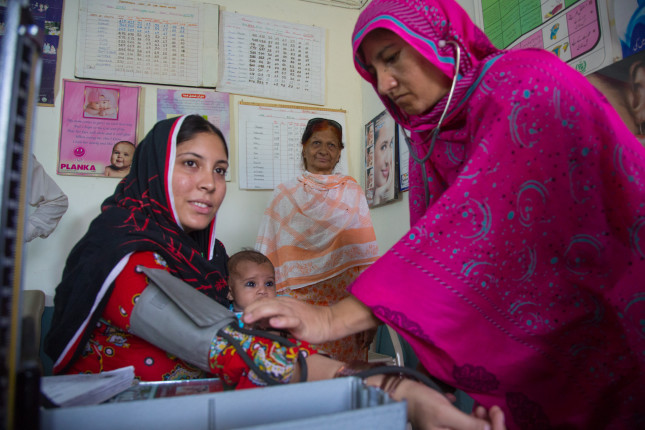
“Globally women and girls continue to face barriers to access healthcare services—whether it be transport costs, financial costs, or even language barriers,” said Shakira Choonara, Technical Specialist with the World Health Organization (WHO) at a recent launch event of the Sexual and Reproductive Health (SRH) and Universal Health Coverage (UHC) Learning by Sharing Portal (LSP).
-
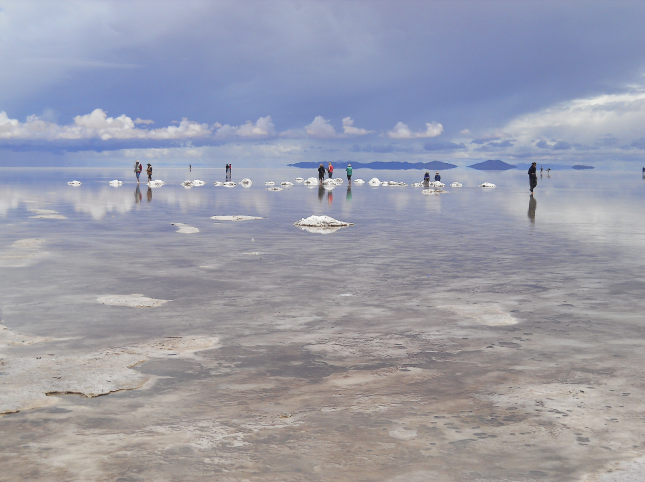
Bolivia and Lithium: Can slow and steady win the race?
›
The looming 27th meeting of the Conference of the Parties (COP) of the UNFCCC in Egypt in November 2022 brings with it a moment of truth for many nations. They must intensify decarbonization efforts to meet their share of global commitments agreed upon at the Paris COP. Yet, the already significant challenges also have intensified. Disruptions of oil and gas flows caused by Russia’s invasion of Ukraine are slowing a global green energy transition—at least in the short-term. The depth of the crisis means countries are even scrambling to keep coal-powered plants working.
-
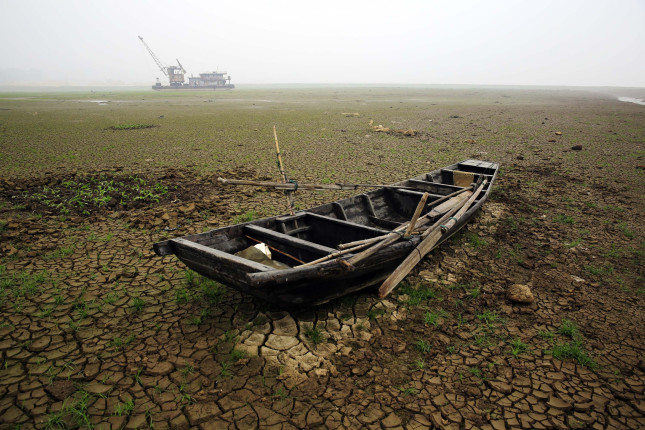
What China’s Heatwave from Hell Tells us About the Future of Climate Action
›The summer of 2022 has been a season of climatic extremes across the globe, including record-breaking heatwaves and droughts in both the United States and Europe. But even these unprecedented extreme weather events pale in comparison with China’s heatwave from hell. For more than two months, a huge swath of the world’s most populous nation has been baking under temperatures of up to 113 degrees Fahrenheit. According to state media, this extreme heatwave affects an area of over 500,000 square miles, equivalent to more than twice the size of Texas. In terms of duration, intensity, and area affected, it is almost certainly the most severe heatwave ever recorded anywhere in the world.
-
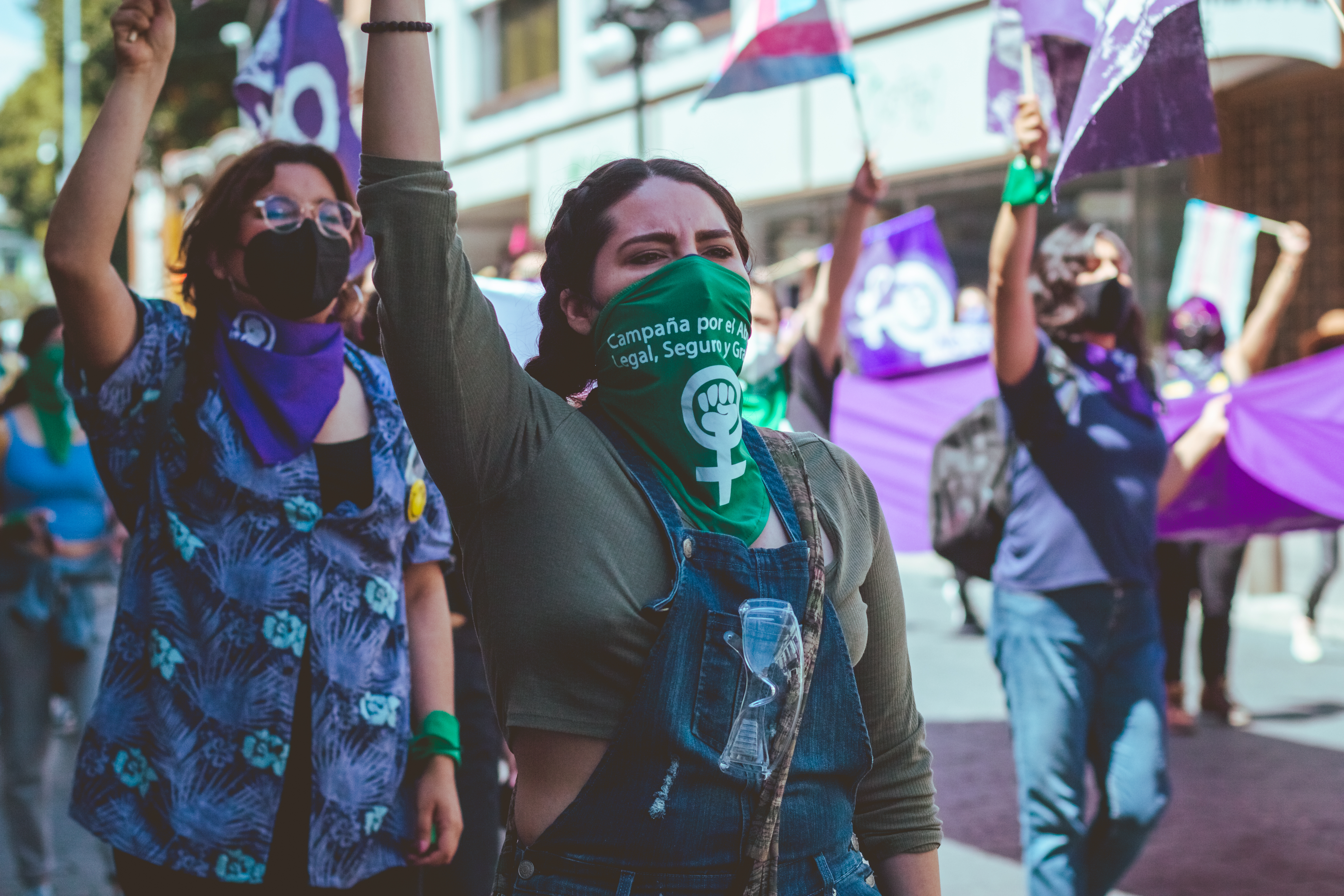
Moving in Opposite Directions: Abortion Rights in Latin America and the United States
›In its June 2022 decision, Dobbs v. Jackson Women’s Health Organization, the U.S. Supreme Court abandoned decades of precedent to strike down the constitutional right to abortion. This ruling—and a shift in regulatory power over abortion to individual states—is having a profound impact in American society. Already, a record number of abortion measures are on ballots to protect or abolish abortion rights. In many states, the fight over abortion access continues to take place in courtrooms. Far from settling the matter, the Supreme Court’s ruling showcases the deep divide over abortion in American society.
-
Climate Security at USAID: (Re)defining an Integrative Issue
›Climate security is an essential conceptual framework to understand the global interplay of biophysical and socioeconomic forces that threaten our planet. Indeed, it is so important that new currents of science, politics, and advocacy make refining definitions a necessity.
-
Fishing for Equity and Inclusion: Women’s Socioeconomic Factors in Kenyan Fisheries
›August 29, 2022 // By Margaret GatonyeSeeing Loreta sort and dry her Omena sardines at the shores of Lake Victoria in Western Kenya, one may dismiss this small, middle-aged woman as an ordinary fishmonger struggling to earn a living. -
Leveraging Hydropower for Peace
›Hydropower is the largest source of low-carbon electricity in the world today. And its benefits are needed more than ever. The International Energy Agency estimates that we will need to double the amount of installed hydropower capacity—which stands today at around 1360 gigawatts worldwide—in order to limit the rise in average global temperatures to 1.5 degrees Celsius above pre-industrial levels. -
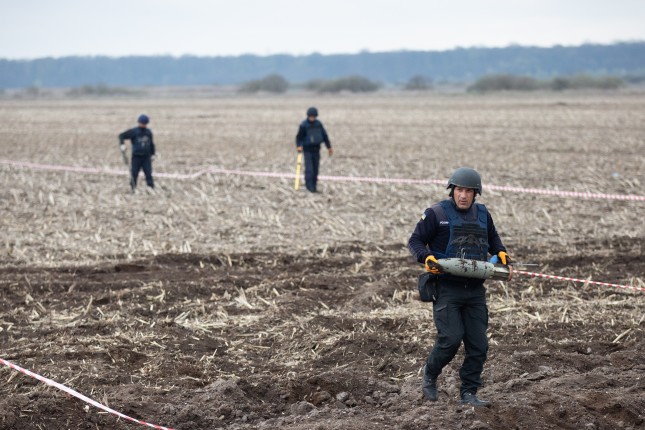
Agricultural Land in Russian Territorial and Geopolitical Ambitions
›The negative impacts on global food security wrought by Russia’s war in Ukraine are obvious. But recent news that Russia currently occupies more than one fifth of Ukrainian farmland, draws attention to another dimension of this politically-induced food and agricultural crisis: land itself. Of course, territory has long been an object of conflict and warfare. But agricultural land—in particular—is also a key, though understated, dimension of the geopolitical ambitions undergirding Russian activity at home and abroad.
 A Publication of the Stimson Center.
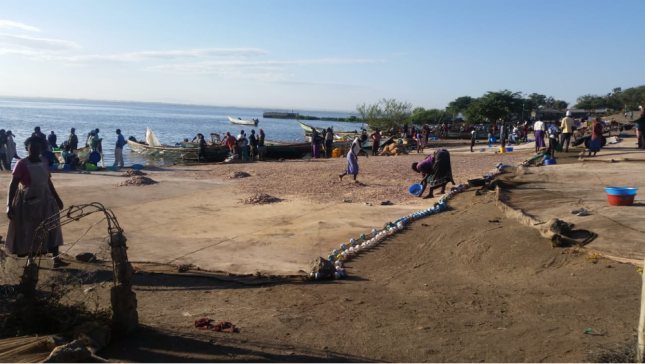 Seeing Loreta sort and dry her Omena sardines at the shores of Lake Victoria in Western Kenya, one may dismiss this small, middle-aged woman as an ordinary fishmonger struggling to earn a living.
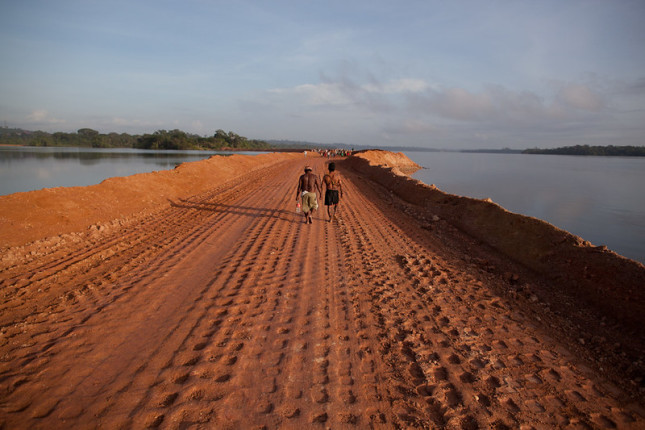 Hydropower is the largest source of low-carbon electricity in the world today. And its benefits are needed more than ever. The