-
Fighting the Flood of Nurdles: Texas Fisherwoman takes on Taiwan Plastic Company
›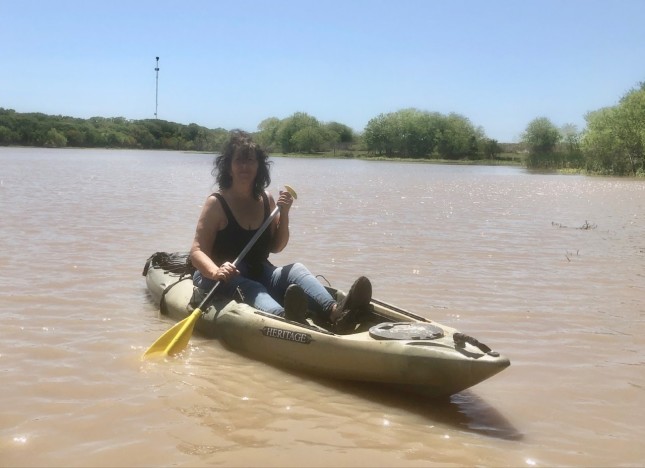
Over decades, billions of small lentil-sized plastic pellets, called nurdles, flooded out of the wastewater pipes of Formosa Plastic’s plant in Calhoun Texas into the Gulf of Mexico. For decades, Diane Wilson, a fourth-generation fisherwoman in a rural fishing town called Seadrift, has been tracking and collecting data on the company’s nurdle pollution. In 2019, after three years of constant sampling, she and her scrappy volunteers won a dramatic legal victory with a consent decree mandating 50 million in penalties for past pollution and fines if they do not clean up previous pollution or maintain zero discharge of plastic.
-
The Missing Link: Stillbirth & Self-Care
›
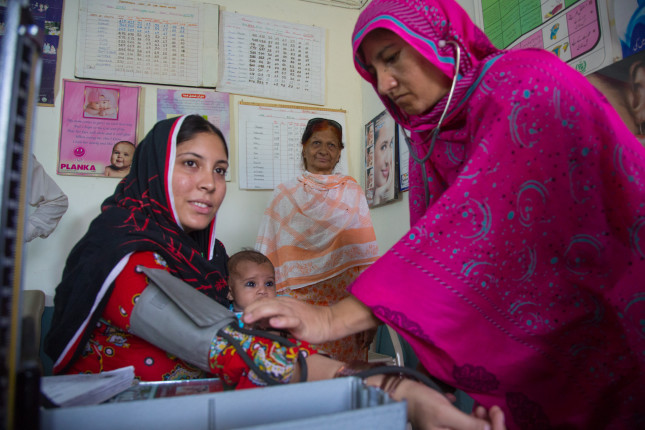
For many people, stillbirth— the occurrence of a fetal death at 20+ week’s gestation—is a concept. A statistic. Each year, at least 23,000 stillbirths occur in the United States. It occurs in one out of every 160 pregnancies. Yet when these numbers become a reality in your own life, they take on a new meaning.
-
Sharon Guynup, Mongabay
2022: Another consequential year for the melting Arctic
›September 27, 2022 // By Wilson Center StaffThis article, by Sharon Guynup, originally appeared on Mongabay.In August, I traveled aboard the icebreaker Kinfish to the Svalbard archipelago, north of the Arctic Circle. Invited to the bridge as we cruised fjords near the 80th parallel, I was transfixed by towering blue glacier walls, but was confused by the map displayed on one of the ship’s screens. It showed our vessel sailing across a non-navigable frozen sheet.
-
Decolonising Sex Education
›We should be outraged by sexuality education’s colonialist connections. As a researcher and trainer based in the UK, I see how deeply blatant colonialist influences run in the field of sex education. The British empire was obsessed with the sexualities of their subjects and imagined their societies to be exotic licentious places where upper class British men could live out illicit fantasies. Yet, at the same time, these societies were deemed to be wells of immorality that needed Victorian moral education. These dual imaginaries were used to justify colonialism itself as a force to civilize non-western bodies and sexualities, and remain as ideas which echo in more contemporary discourses around controlling population and HIV.
-
The Powerful Policy Ripples of Washington State’s CETA
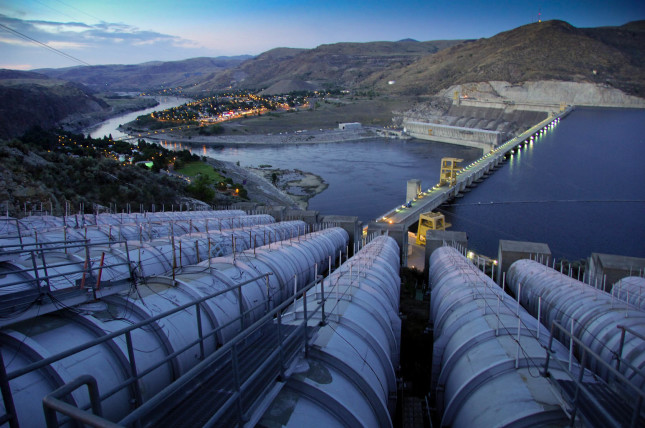
›States are sometimes overlooked as drivers of climate action, yet some of them have been true leaders that bring significant influence. In Washington State, for instance, a strong coalition has worked to develop a smart, foundational climate policy for decarbonization in all sectors of the state’s economy.
-
Food Security as a Driver for Sustainable Peace in Kenya
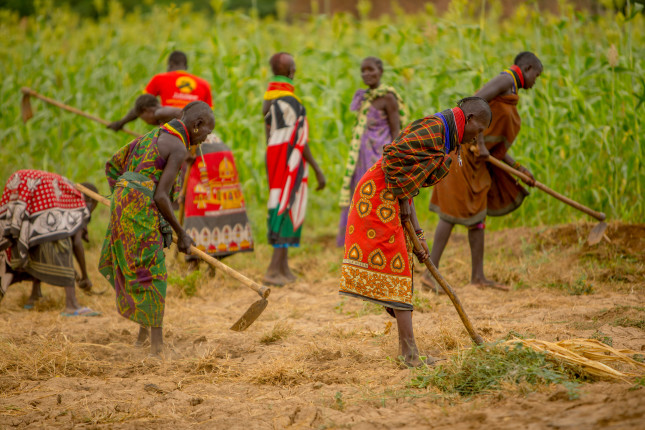
›“The food system is complex; it is not just about food production,” said Florence Odiwuor, a Kenyan Southern Voices for Peacebuilding Scholar, at a recent event on the role of food security systems in sustainable peacebuilding in Africa hosted by the Wilson Center’s Africa Program. As a lecturer at the School of Agriculture, Natural Resources, and Environmental Studies at Rongo University, Odiwour observed that given the food system’s interconnectedness with issues like education, gender, finance, and labor, “disruptions or failures in the [food] system have caused a lot of conflict in [Kenya].”
-
Vaccine Diplomacy in the Wake of COVID-19
›As the COVID-19 pandemic gripped the world in late 2019 and early 2020, the world’s great hope was in the rapid development and deployment of vaccines. Global public health organizations hoped to seize upon the crisis to advance international cooperative efforts to fight COVID-19, and the promise of advanced economies embracing “vaccine diplomacy” to get shots into arms around the planet was a key element in this strategy.
-
Sharing Stories: Prioritizing Sexual and Reproductive Health in Universal Health Coverage
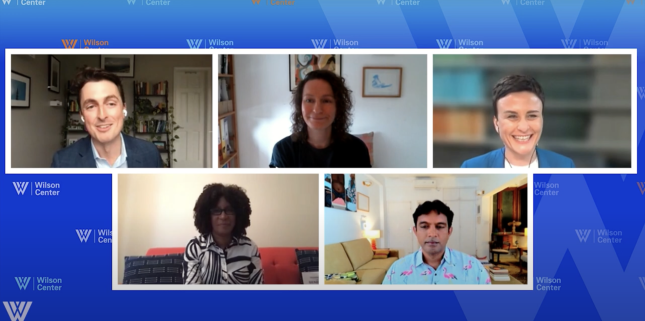
›“Globally women and girls continue to face barriers to access healthcare services—whether it be transport costs, financial costs, or even language barriers,” said Shakira Choonara, Technical Specialist with the World Health Organization (WHO) at a recent launch event of the Sexual and Reproductive Health (SRH) and Universal Health Coverage (UHC) Learning by Sharing Portal (LSP).
 A Publication of the Stimson Center.