-
Mary Hellmich, Tobias Bernstein, Transatlantic Climate Bridge
Transatlantic Subnational Climate Cooperation: Opportunities for Implementation
›October 14, 2022 // By Wilson Center Staff
Diplomacy between cities, counties, states and regions is critical to ensuring that diplomatic doors between countries are left open throughout changing political cycles at the national level. Such efforts are more important now than ever, especially for the climate crisis. As we head into COP27 with the message “from ambition to implementation,” cities have a critical role to play as the venues where many of the policies discussed at international climate negotiations will play out.
-
Why We Need Extended Producer Responsibility for Plastic Packaging
›
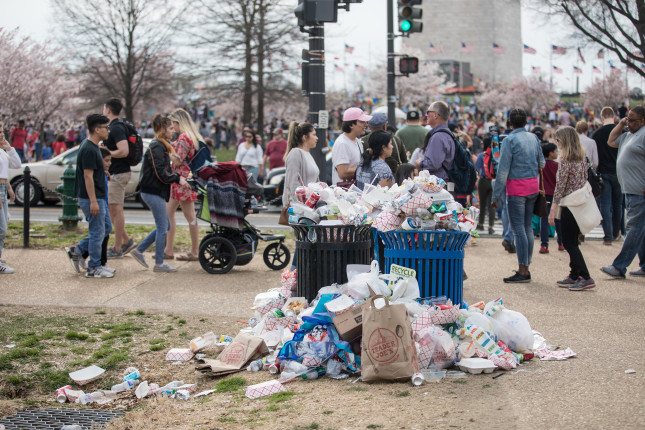
Recycling in the United States is failing. Only 50 percent of packaging is currently recycled. For plastics the rate is lower, only nine percent. The U.S. packaging recycling rate is far below many other countries and has been stagnant for over a decade because our waste management infrastructure is fragmented, inefficient, and underfunded. U.S. city and county governments spend millions of taxpayer dollars each year to manage an expanding and increasingly complex array of packaging waste they had no input in designing or creating. U.S. recyclers are struggling with poorly designed packaging that cannot be recycled and adds cost to the recycling system, and brand owners are unable to source the recycled content they need to honor their public sustainability commitments. Under the current system, consumer packaged goods companies have little incentive to change.
-
Reproductive Autonomy: The Goal in Family Planning
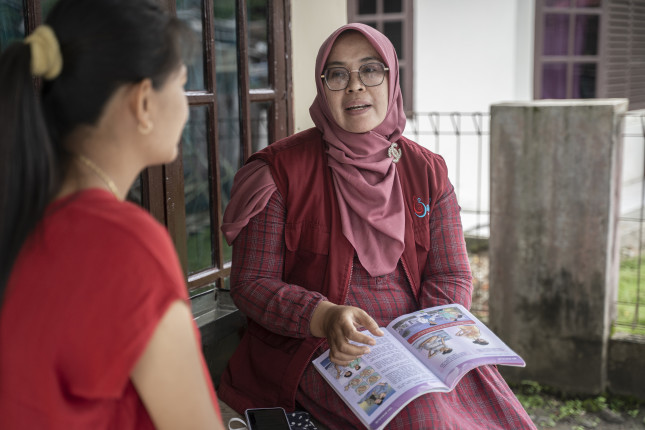
›The 15th anniversary of World Contraception Day (WCD) on September 26th was a perfect moment to renew the commitment to increase awareness and knowledge about contraceptive methods. But the availability of safe and effective methods is not enough. Reproductive autonomy, which is defined as “having the power to decide about and control matters associated with contraceptive use, pregnancy, and childbearing,” is also a central tenet of both WCD and the Sustainable Development Goals for 2030. People must be supported in making their own decisions about their sexual and reproductive health, including if and how they become pregnant.
-
The Complex Dance Around China’s Overseas Projects
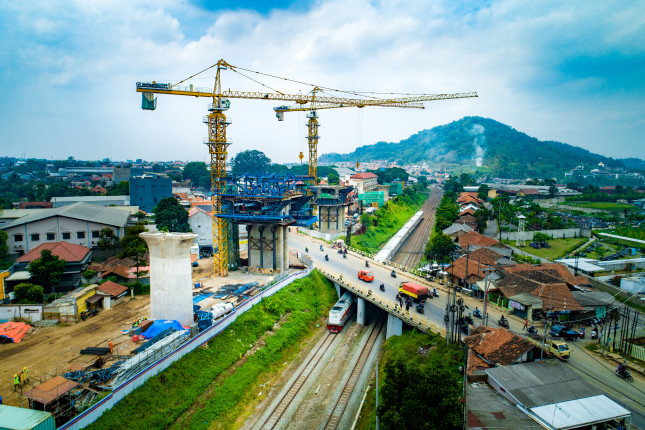
›China Environment Forum // Guest Contributor // Vulnerable Deltas // October 6, 2022 // By Alvin Camba & Victoria Chonn ChingChina dominates the world in its overseas development finance into power plants, mines, dams, and other infrastructure. However, while many projects sail through, a good many get stalled. The results have less to do with Beijing and more with the strength of the host country partners. There is a complex dance between governments, elites, and bureaucrats to win the best “deal” with China, including Belt and Road Initiative (BRI) projects. These deals may benefit not just the economy, but also may empower one of these three actors.
-
New Global Health & Gender Policy Brief: Mental Health and COVID-19
›The COVID-19 pandemic has had far-reaching, negative impacts on health and well-being, particularly in population mental health. Mental health is strongly related to people’s social environment, and the COVID-19 pandemic disrupted this greatly. Many countries instituted shutdowns early in the pandemic restricting people’s movement both within and between countries. Shutdowns socially isolated people from one another and often led to poor mental health. The highest rates of mental distress occurred during time periods when COVID-19 mitigation measures were strictest and the number of COVID-19 related deaths was highest.
-
Protecting Human Rights in DRC Cobalt Mines: A U.S. Priority in a Green Transition
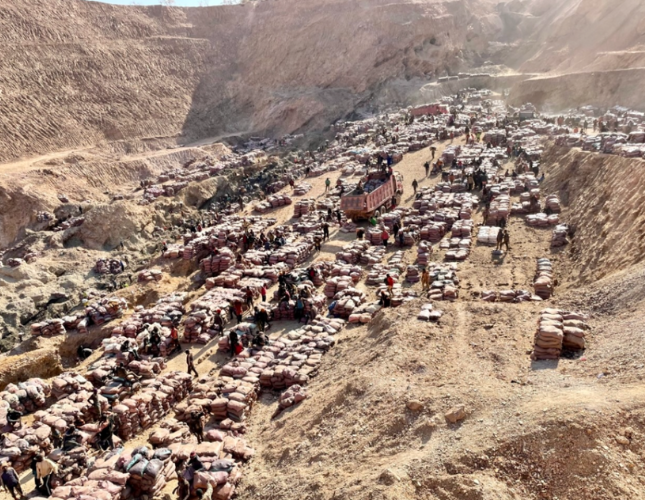
›Secretary of State Anthony J. Blinken recently reaffirmed the Democratic Republic of Congo (DRC)—a nation located in Africa’s heart—as a “geostrategic player and critical partner” for the United States. It is a country that features prominently in climate change discussions, not only because of its vast natural resources (including mineral wealth estimated to be the largest in the world, as well as possession of a forest cover second only to the Amazon Basin), but especially due to its cobalt reserves.
-
Environmentalists Need To Talk About Population Growth. Here’s How.
›On November 15, the world population is projected to reach 8 billion people. As we approach that milestone, there’s no denying that our rapidly growing human population also places extraordinary pressure on the environment. The human population has doubled in the last 50 years, while wildlife populations have been cut in half.
-
Top 5 Posts of August 2022
›In August’s top post, Jiayi Zhou discusses an underexplored dimension of Russia’s invasion of Ukraine: Farmland and agriculture. While the negative impacts of the conflict on food security have become readily apparent, the geography of the war clearly shows that Russia currently occupies more than one-fifth of Ukrainian farmland. Zhou observes that Russia’s territorial ambitions are not only seen by its government as the preservation of an important natural resource, but also the extension of an overall Russian nationalism with broader implications for food security, environmental sustainability, and geopolitical ties.
 A Publication of the Stimson Center.