-
Climate Solutions from the Ground Up: The Importance of Place-Based Approaches
›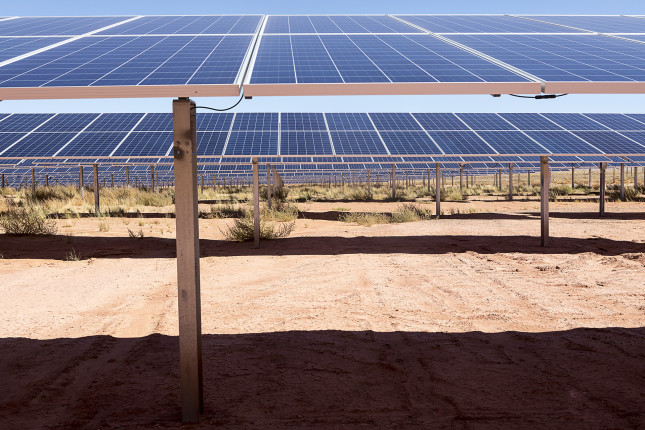
Meeting the immense impacts of climate change will require strong “top-down” policies to reduce emissions and remove carbon from the atmosphere, as well as building resilience in the face of climate stresses and shocks. As communities and governments undertake rapid and fundamental transformation of sectors and systems—energy, transportation, buildings and even green spaces—the need for governments to develop strategies that drive innovation and technological solutions becomes more urgent and essential.
-
Creating an Environment of Peace Means Avoiding Backdraft
›
The much-needed transition to a zero carbon, green economy offers opportunities to contribute to peace, but only if the conflict risks of transition are understood and managed to produce a just and peaceful transition. That means minimizing “backdraft”—the unintended negative impacts of transition that are a key obstacle to that goal.
-
Turning Power on its Head: A Meaningful Shift Toward Localization
›Of COVID-19’s many lessons, one is most critical to our collective next steps:
Business as usual in global health is no longer possible.
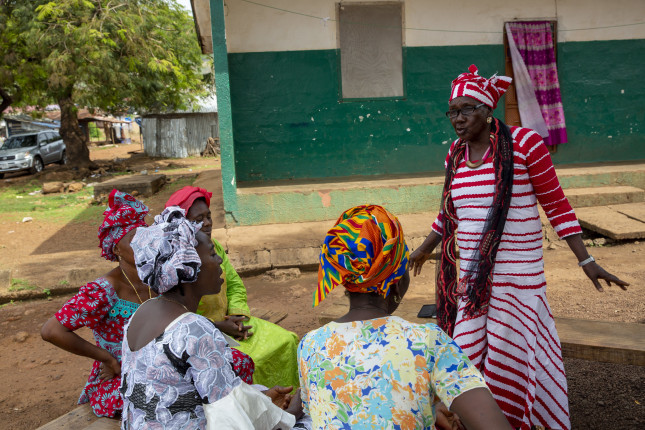
The pandemic exposed weaknesses in health systems across the world, and particularly in the delivery of equitable, high-quality reproductive, maternal, newborn, adolescent, and child health (RMNCAH) services. It also reinforced that effectively addressing these challenges requires rapid, responsive approaches driven and owned by countries and local institutions.
-
New Global Health & Gender Policy Brief: Global Fertility Rates and the Role of Infertility
›While the world’s population now approaches 8 billion people, global fertility rates have been declining for decades. The overall drivers of this decline include increased access to contraception and reproductive health care, an increase in women seeking higher education, women’s empowerment in the workforce, lower rates of child mortality globally, increased cost of raising children, and overall greater gender equality.
-
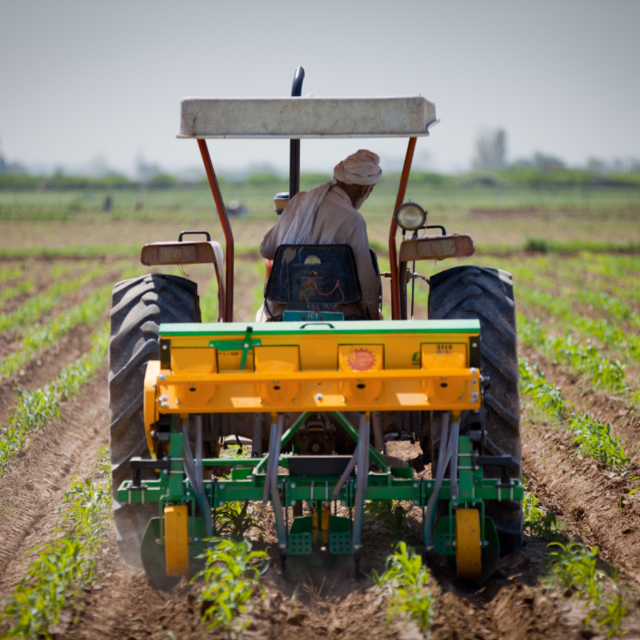
Addressing the Global Food Crisis: CIMMYT Experts Weigh In
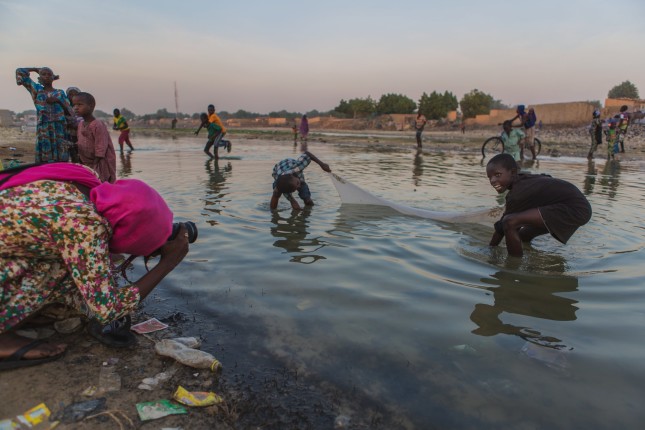
›The confluence of climate change, COVID-19, and the war in Ukraine have placed enormous stress on food systems across the globe. Food insecurity spiked in 2020 and has stayed high, and the number of undernourished people is on the rise. -
Confronting Seismic Shocks: New WQ Article Looks at “Russia’s War on Natural Resources”
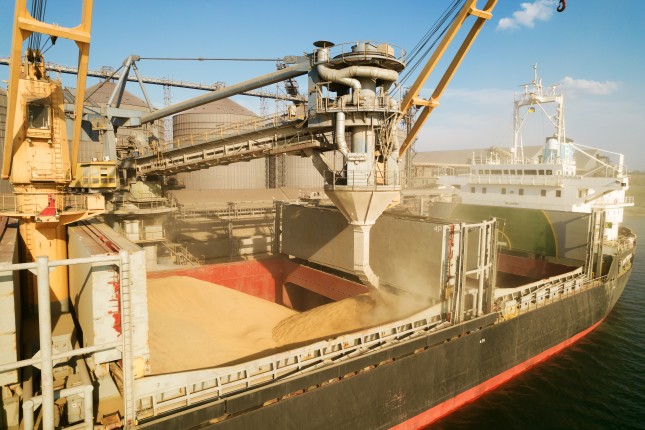
›July 29, 2022 // By Claire DoyleWhen Russia struck a deal with Ukraine on July 15, there was hope that millions of tons of food would once again be able to flow from the embattled country. Under the agreement, brokered by Turkey and the UN, Russia would lift naval blockades and allow large-scale shipments of grain to leave Ukraine’s ports. -
Biodegradable Plastic in Chinese and U.S. Agriculture: Hero or Villain?
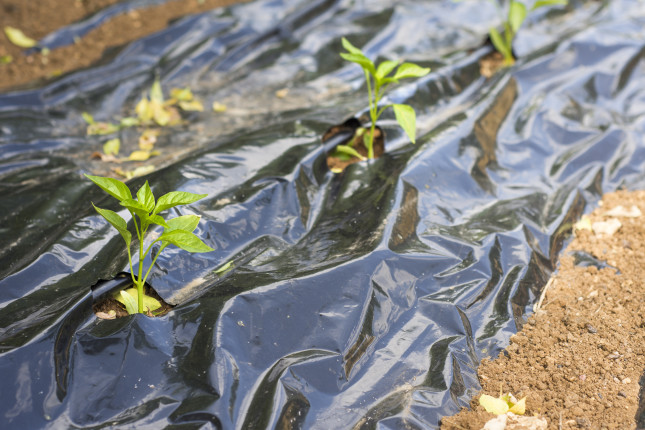
›Biodegradable plastic mulch seems like a dream come true for organic farming. Its use eliminates the need for herbicides and pesticides, conserves water, extends the growing season, and allows for the harvesting of clean fruits and vegetables. This mulch also lightens the load of farmers. Rather than assuming the expense and labor to gather up and haul plastic mulch to a landfill, farmers can till biodegradable mulch safely back into the soil. Yet these benefits will only be realized if biodegradable mulch films are 100 percent degradable by microbes in nature, and if they break down to carbon dioxide, water, and minerals without damaging the soil.
-
How Gender Inequality Drives the Global Crisis of Unintended Pregnancy
›“Half. This is the proportion of all pregnancies that are unintended. That is 121 million pregnancies every year,” said Sarah Craven, Director of the Washington D.C. Office at UNFPA during a recent U.S. launch event for the 2022 UNFPA State of World Population (SWOP) report. “For these women, the most life altering reproductive choice, whether to become pregnant or not, is no choice at all. This is an unseen crisis unfolding right before our eyes.”
 A Publication of the Stimson Center.

 The confluence of climate change, COVID-19, and the war in Ukraine have placed enormous stress on food systems across the globe.
  When Russia struck a deal with Ukraine on July 15, there was hope that