
-
What’s in a Label? Lessons on Advancing Global Health Goals From Corporate Green Standards
›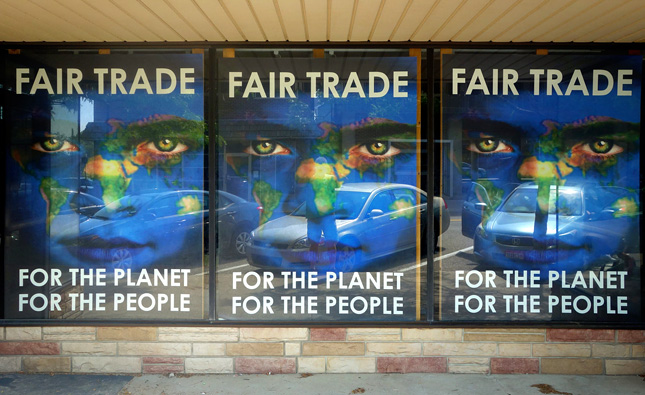
As you walk through the supermarket, you’ve probably noticed labels like “Rainforest Alliance Certified,” “Fair Trade,” or “Green Seal.” These certifications were created to help consumers use their purchasing power to reward companies that treat workers fairly and limit their harm to the environment. What’s missing is health, particularly women’s health. Too often these standards focus narrowly on occupational safety rather than addressing broader, but relevant, health needs of workers.
-
Chased by Drought, Rising Costs, and Clean Technology, India Pivots on Coal
›
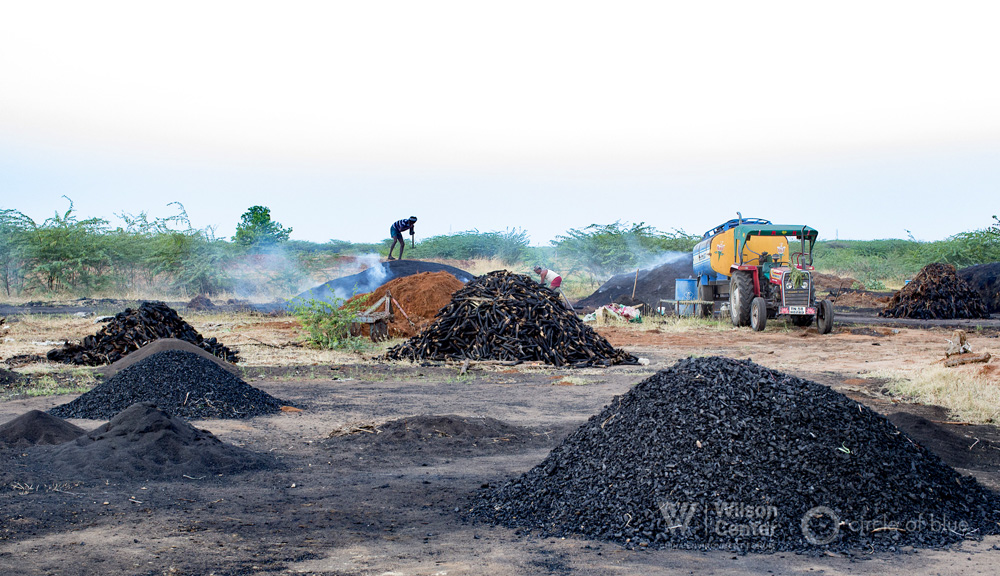
VILAMBUR, India – The mammoth coal-fired Cheyyur electrical station was first imagined by bankers at India’s Power Finance Corporation and senior engineers across town at the Central Electric Authority. That was in 2005, when the country was rich in fossil fuel resources and desperate for electric power. Though India mined more coal than almost any other country, endemic blackouts and brownouts enfeebled its economic prospects.
-
Backdraft #6: Jesse Ribot on Why It’s So Important for Climate Interventions to Work Through Local Democracy
›In a research project spanning more than two dozen case studies on environmental governance in 13 sub-Saharan African countries, Jesse Ribot, professor at the University of Illinois, and colleagues found that while many forest management projects claimed to be working with communities, they were in fact undermining local democracy in various ways. -
SHARON GUYNUP, MONGABAY
On the Frontline of India’s Rhino Wars
›April 6, 2017 // By Wilson Center StaffIn the dead of night on February 15, gunshots blasted the guards into action in India’s Kaziranga National Park. Rangers stationed in a nearby camp quickly spread out, searching for the shooters under the light of a nearly full moon – to no avail.
-
A Better Model for Future Society, and Analyzing Communal Climate Conflict
›Forecasts of future climate conditions are fairly good, but forecasts of future socioeconomic conditions are another story. To get a sense of how climate change will impact society, many resort to simply layering future climate conditions on top of current socioeconomic conditions. That’s a mistake, write Wolfgang Lutz and Raya Muttarak in Nature Climate Change. “We see little value in the purely hypothetical exercise of assessing potential impacts of the future climate on a society that will not exist in the future.” -
Top 10 Posts for March 2017
›Wilson Center Director, President, and CEO Jane Harman and WWF President and CEO Carter Roberts put their weight behind growing momentum to ensure water stays on the radar for U.S. foreign policymakers in one of last month’s most-read stories.
-
A Survey of the “War on Wildlife”: How Conflict Affects Conservation
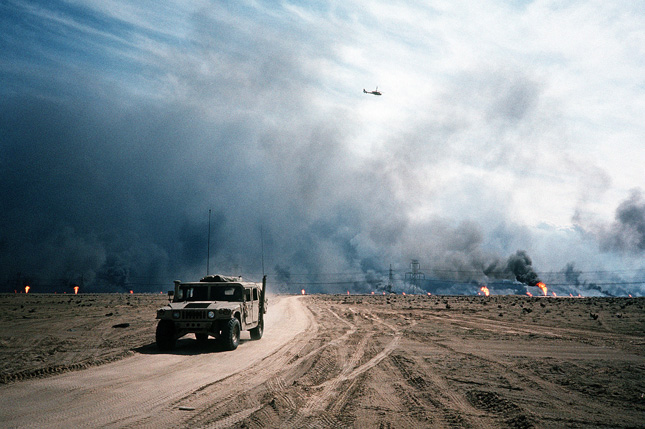
›Over the last 60 years, more than two-thirds of the world’s remaining biodiversity hotspots have experienced armed conflict. The effects have been myriad, from destruction as a result of military tactics to indirect socioeconomic and political changes, like human migration and displacement. This so-called “war on wildlife” has important implications for conservation and peacebuilding efforts, according to a recent literature review published in Frontiers in Ecology and the Environment.
-
Samara Ferrara on How Midwifery Can Reduce Unnecessary Surgeries and Save Lives in Mexico
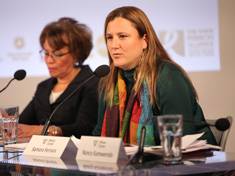
›“Midwives have the knowledge, midwives have the skills, and have the heart and compassion to serve mothers and babies in the most perfect way,” explains Samara Ferrara in this week’s podcast. But they often face demoralizing conditions, poor pay, and in some cases disdain from doctors.
 A Publication of the Stimson Center.
 In a
In a 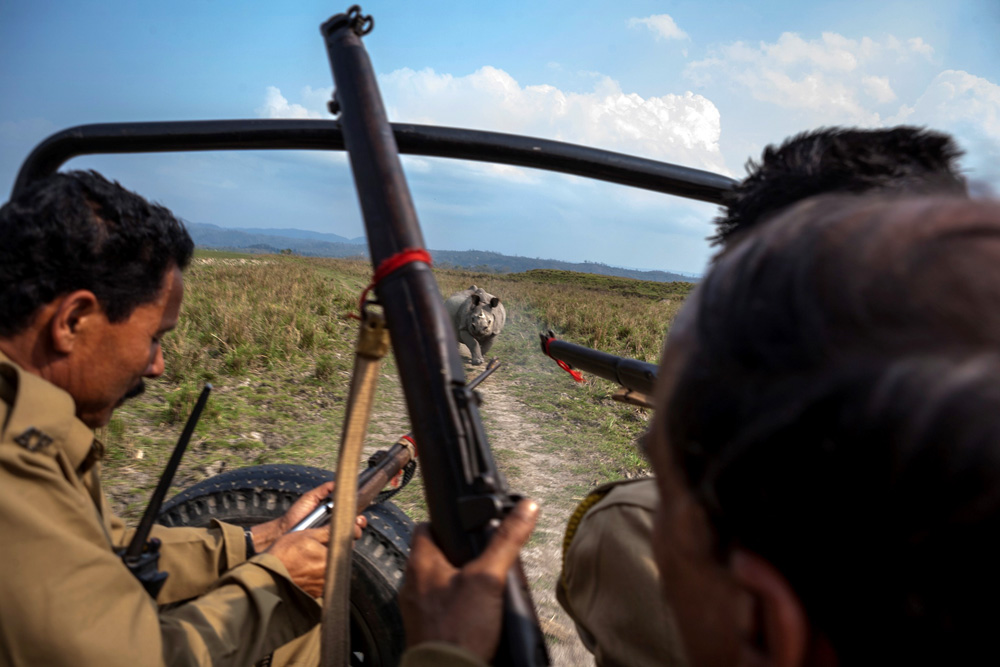
 “Midwives have the knowledge, midwives have the skills, and have the heart and compassion to serve mothers and babies in the most perfect way,” explains Samara Ferrara in this week’s podcast. But they often face demoralizing conditions, poor pay, and in some cases disdain from doctors.

