-
Caribbean Governments Huddle to Discuss Climate Adaptation Plans
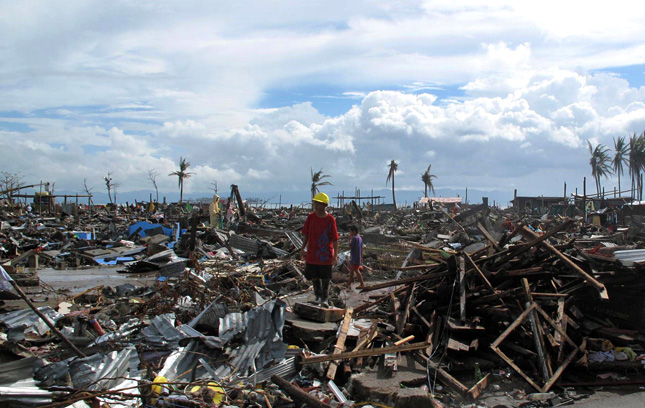
›As more climate change seems locked in – some estimates suggest a 1.5-degree Celsius (2.5 degree Fahrenheit) rise above pre-Industrial averages is guaranteed – more governments are allocating resources to adaptation. Caribbean communities that contribute very little to climate change are some of the most vulnerable, and representatives from many met in October 2016 in Grenada to share experiences and build technical capacity.
-
A Torrent of Water and Concrete Imperil Chennai’s IT Boom
›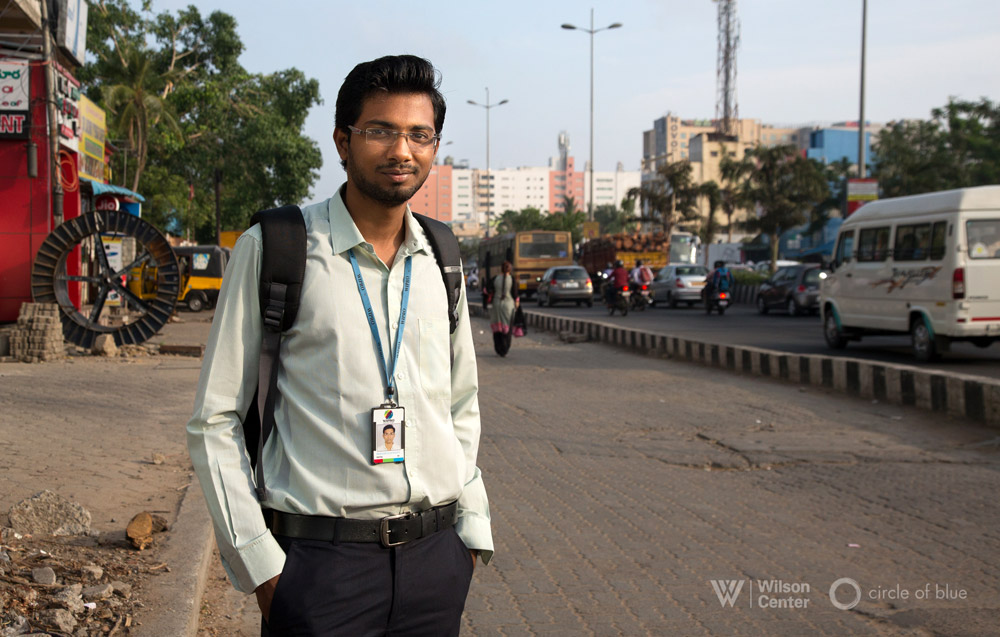
CHENNAI, India – Almost a decade ago, when the first of Chennai’s bleach-white IT office buildings replaced coconut groves along the Bay of Bengal south of the city center, leaders hailed the potential for a new wave of clean jobs. Nine years later, it is clear that planners did not fully anticipate the consequences.
-
Backdraft #7: Janani Vivekananda on What Renewable Energy Projects Can Learn From Oil, and Future-Proofing Humanitarian Responses
› As more and more development and humanitarian programs contend with climate-related problems, there are important lessons learned from past experience that should not be forgotten, says Janani Vivekananda, formerly of International Alert and now with adelphi, in this week’s episode of “Backdraft.”
 -
Violence and Water Scarcity Threaten Historic Quadruple Famine
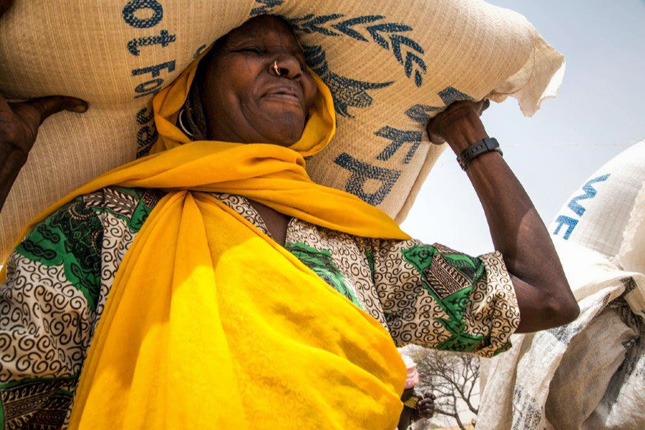
›An international food crisis is currently unfolding on a scale not seen since World War II. More than 20 million people in Somalia, Nigeria, South Sudan, and Yemen are in danger of famine. UN Under-Secretary-General and Emergency Relief Coordinator Stephen O’Brien said in March, “We are facing the largest humanitarian crisis since the creation of the United Nations.”
-
Worst Drought in 140 Years Leads to Farmer Deaths, Riots, Policy Impasse in Cauvery Delta
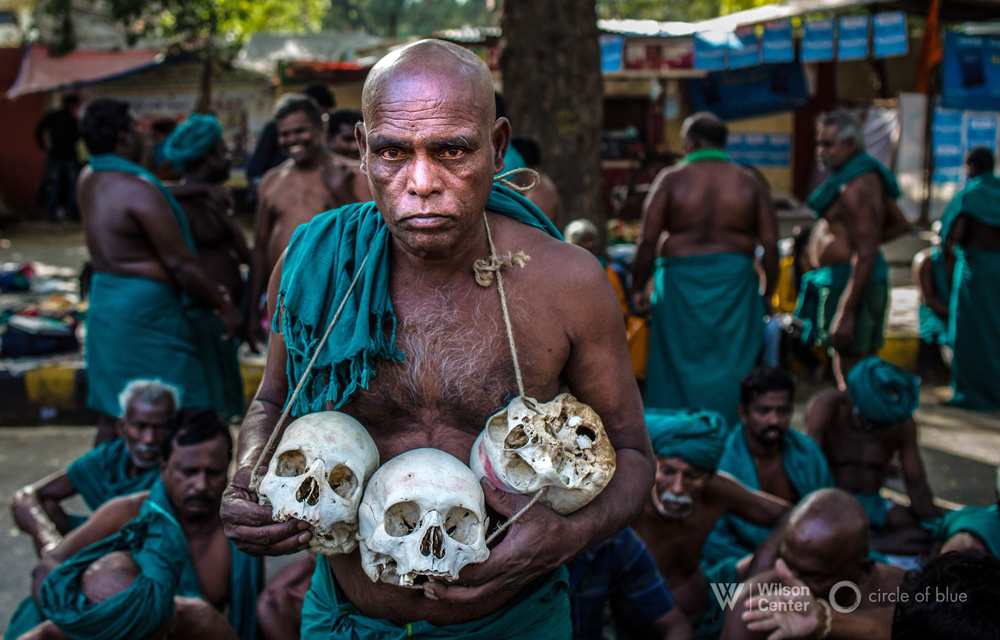
›VENGANTHANKUSI, India – Vijayakumar, 51, was a successful rice grower his entire life until this rainless harvest season. Described by family and friends as a tall, steady man of few words, Vijayakumar seemed unbent by the paralyzing consequences of Tamil Nadu’s deepest drought in 140 years.
-
Jessica F. Green & Thomas N. Hale, Duck of Minerva
Why IR Needs the Environment and the Environment Needs IR
›April 13, 2017 // By Wilson Center StaffThe state of the global environment is terrible – and deteriorating. The globalization of industrial production and the consumptive habits of 7 billion people have created the Anthropocene, a geologic age in which the actions of humans are the primary determinant of the Earth’s natural systems. This shift creates a profound new form of environmental interdependence, of which climate change is only the most salient example.
-
Water and the Rise of Insurgencies in the “Arc of Instability”
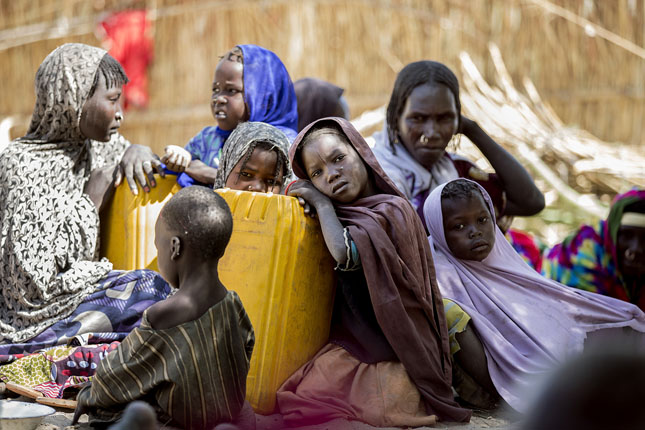
›Water scarcity has contributed to an “arc of instability” characterized by conflict and displacement that stretches from West Africa to the Middle East, said a panel of experts at the Wilson Center on March 1. Two authors from an upcoming compilation of case studies on water security and violent conflict by World Wildlife Fund gave overviews of challenges in Nigeria and Iran and recommendations for U.S. engagement.
-
What’s in a Label? Lessons on Advancing Global Health Goals From Corporate Green Standards
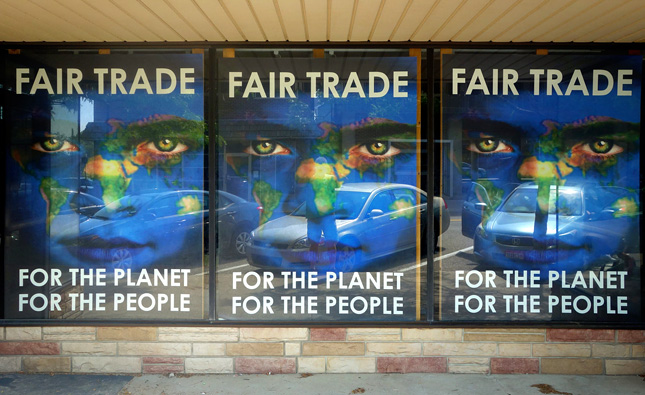
›As you walk through the supermarket, you’ve probably noticed labels like “Rainforest Alliance Certified,” “Fair Trade,” or “Green Seal.” These certifications were created to help consumers use their purchasing power to reward companies that treat workers fairly and limit their harm to the environment. What’s missing is health, particularly women’s health. Too often these standards focus narrowly on occupational safety rather than addressing broader, but relevant, health needs of workers.
 A Publication of the Stimson Center.
 As more and more development and humanitarian programs contend with climate-related problems, there are important lessons learned from past experience that should not be forgotten, says Janani Vivekananda, formerly of International Alert and now with adelphi, in this week’s episode of “