-
Can Demographic-Environmental Stress Contribute to Mass Atrocities? And the Future of Arctic Cooperation
› In a brief published by the Stanley Foundation, Cullen Hendrix explores how “the degradation and overexploitation of renewable sources…and unequal access to these resources” can make societies more or less susceptible to experiencing mass atrocities. Hendrix proposes that “demographic-environmental stress” is most likely to contribute to mass atrocities (genocide, war crimes, or crimes against humanity) in agricultural societies that have a high level of group identity-driven politics and economics, exclusionary political institutions, political actors that deprive certain groups, or when governments have low legitimacy.
 -
Breaking Down Water Security to Build it Up
›
Water security remains an ambiguous concept with an uncharted path to achievement. Water is an essential resource to our survival and livelihoods, yet most countries lack a clear strategy for how to protect and manage it. With increasing rates and sources of consumption, a growing population, and shifting frequency and intensity of rates of precipitation, continued inaction will have serious impacts on our national security, economy, and environment.
-
Inside ‘The Poachers Pipeline’: Q&A With Al Jazeera’s Jeremy Young and Kevin Hirten
›Rhino horn is the most valuable illegally traded wildlife product in the world, more expensive per pound than either gold or cocaine and much more valuable than elephant ivory. With as few as 25,000 wild rhinos left in Africa, conservationist and law enforcement fight a constant battle with criminal syndicates seeking to kill rhinos and sell their horns to wealthy consumers abroad, many in Asia.
-
In Ecuador, Indigenous Environmental Attitudes Affected by Proximity to Oil Extraction
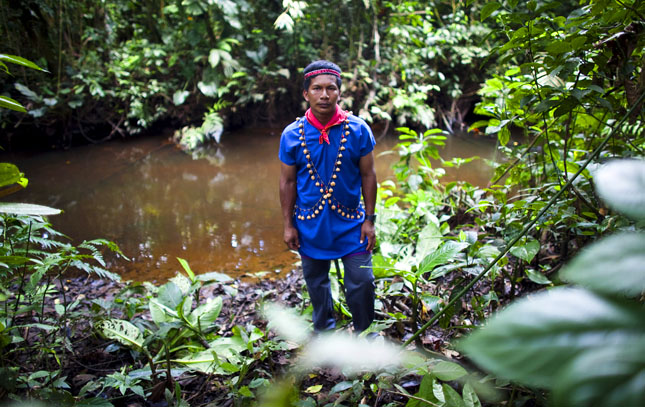
›True to essentialist stereotypes, Latin America’s indigenous peoples are the best stewards of the region’s rainforests. But the source of their enthusiasm for environmental protection is more complex than mere ascriptive traits or whether they speak native languages. What’s more, in a development that should be worrying to environmentalists, exposure to the negative effects of extractive industries appears to have a degrading effect on that enthusiasm.
-
Backdraft #5: Ken Conca on the Good, Bad, and Ugly of Water Conflict and Cooperation
›In international development, conflict is often used as shorthand for violent conflict, and avoiding conflict is considered a priority. But “it’s important to recognize that conflict is not always bad and cooperation is not always good,” says Ken Conca in this week’s episode of “Backdraft.” -
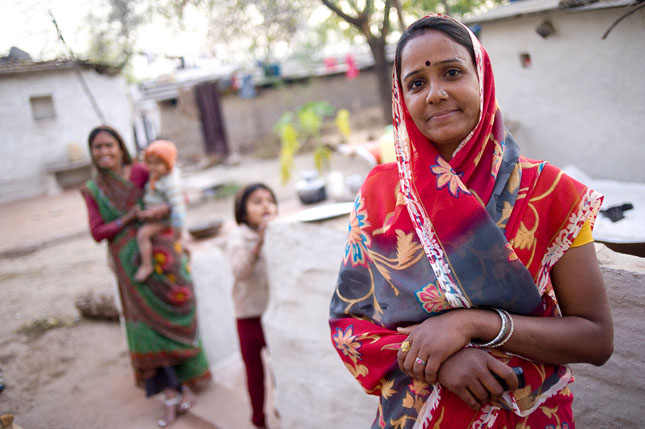
For India, Achieving the Next Generation of Maternal Health Goals Requires New Approaches
›Achieving the next generation of maternal health goals in India, which accounts for almost 15 percent of maternal deaths around the world each year, will require innovative new approaches to stubborn problems.
-
Advancing U.S. Prosperity and Security in a Thirsty World
›The waters of Lake Chad sustain 70 million people in four countries. Beginning in the 1970s, the 25,000-square-kilometer lake began shrinking due to excessive drawdown for agriculture and mining. Now only 10 percent remains. The dwindling water supply devastated food production and fostered massive economic and political tensions. Many experts credit the worsening conditions for contributing to the rise of Boko Haram, an extremist group that has killed 20,000 people and forced 2.3 million more to flee.
-
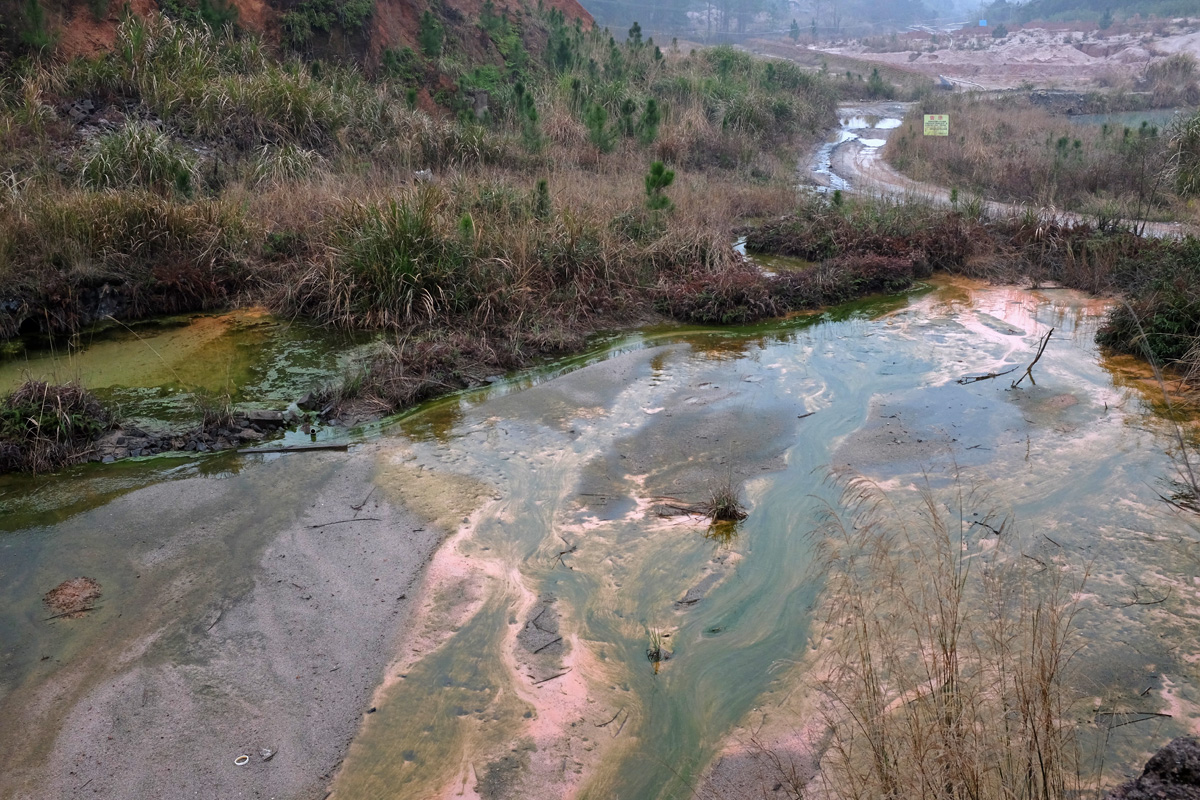
As China Adjusts for “True Cost” of Rare Earths, What Does It Mean for Decarbonization?
›Known as the “vitamins of industry,” rare earths refer to a cluster of minerals widely used in green technologies such as wind turbines, rechargeable batteries, and electric vehicles. Rare earth elements embedded in these products keep them light, efficient, and affordable. They’re essential to the decarbonization of the global economy envisioned in the Paris Climate Agreement, agreed to by 192 countries in 2015. And we may soon face a significant shortage, due in no small part to changes in China.
 A Publication of the Stimson Center.
 In international development, conflict is often used as shorthand for violent conflict, and avoiding conflict is considered a priority. But “it’s important to recognize that conflict is not always bad and cooperation is not always good,” says Ken Conca in this week’s episode of “