

-
Proven and Promising Solutions to Strengthening Maternal Health Supply Chains
› In 2012, as part of the Every Women Every Child movement, 13 vital health commodities were identified by a UN panel that could save the lives of more than 6 million women and children over the course of five years. There are often significant cultural and behavioral barriers to these commodities reaching people in low- and middle-income countries, but physical logistics is also a major problem.
 -
Climate Change Will Test Water-Sharing Agreements
›July 15, 2014 // By Thomas Curran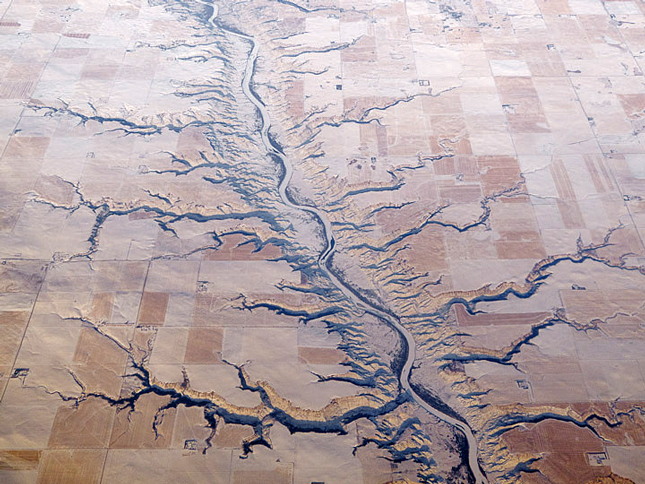
Many existing water-sharing treaties should be re-assessed in the context of climate change, write Shlomi Dinar, David Katz, Lucia De Stefano, and Brian Blakespoor in a World Bank working paper.
-
Adil Najam: Pakistan’s Security Problems Distract From Climate Vulnerabilities
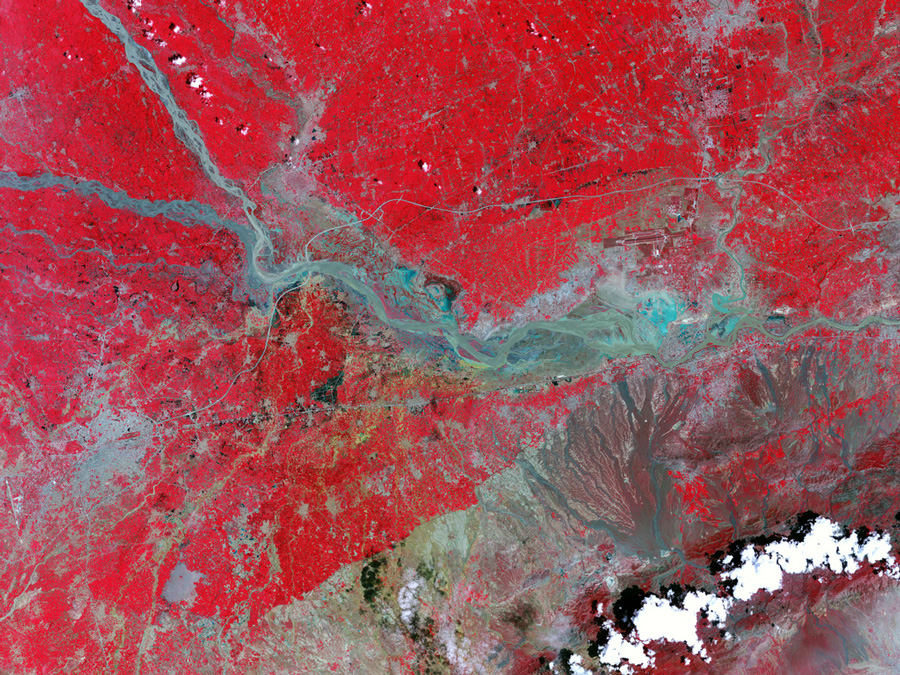
›When Pakistan makes the news, more often than not it’s for one of two things: violent extremism or drone strikes. Adil Najam, a Pakistan expert and a lead author for the UN’s Intergovernmental Panel on Climate Change, says those headlines distract from a far more pressing security concern for the country: climate change.
-
Earth Day 2014: Women at the Center of Sustainable Cities
›April 22, 2014 // By Roger-Mark De SouzaWhen I first came on board the Wilson Center last Earth Day, I wrote that I wanted to forge new paths and identify ways that reproductive health, environmental conservation, and women’s empowerment affect our lives today and in the future.
-
Water Wars? Think Again: Conflict Over Freshwater Structural Rather Than Strategic
›The global water wars are almost upon us!
At least that’s how it seems to many. The signs are troubling: Egypt and Ethiopia have recently increased their aggressive posture and rhetoric over the construction of the Great Ethiopian Renaissance Dam in the headwaters of the Blue Nile, Egypt’s major artery since antiquity. India continues to build new dams that are seen by its rival Pakistan as a threat to its “water interests” and thus its national security. Turkey, from its dominant position upstream, has been diverting the Tigris and Euphrates rivers and increasing water stress in the already-volatile states of Iraq and Syria.
-
Kaja Jurczynska, All Access
In Pakistan, More Questions Than Answers When It Comes to Family Planning
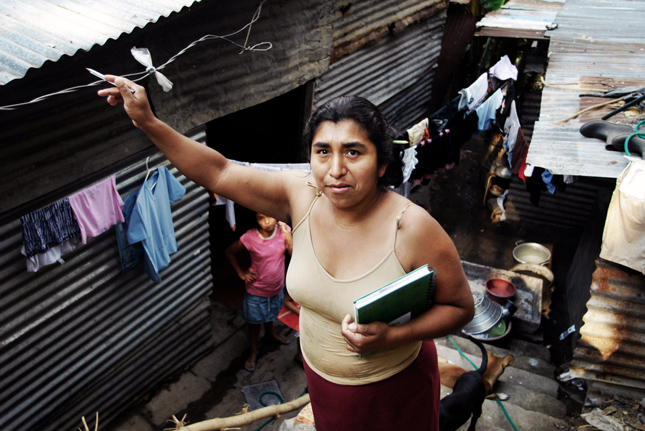
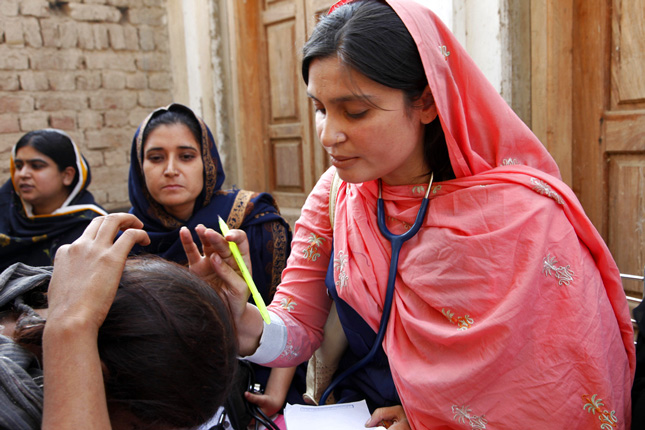
›April 9, 2014 // By Wilson Center StaffImagine you’re a woman living in Pakistan who would like to decide if and when to have children. You’re going to school, or you’ve got a job, or you’ve had a child and simply want some space before your next pregnancy. How easy will it be for you to get your needs met?
-
Climate Change Will Cause More Migration, But That Shouldn’t Scare Anyone
›Last year a Kiribati man, Ioane Teitiota, claimed asylum in New Zealand, stating that his home island, which is on average just two meters above sea level, was becoming uninhabitable thanks to rising seas. So-called “king tides” routinely wash over entire portions of the archipelago.
-
USAID Administrator Rajiv Shah on Public-Private Partnerships and the Future of Aid
›What’s the best way for America’s chief development agency to help other countries reach prosperity and democracy? Increasingly, it’s creating partnerships not just with other governments, but with the private sector too, says USAID Administrator Rajiv Shah in this week’s podcast.
Showing posts from category Pakistan.
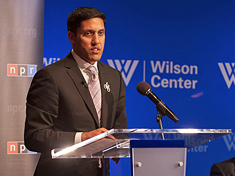 What’s the best way for America’s chief development agency to help other countries reach prosperity and democracy? Increasingly, it’s creating partnerships not just with other governments, but with the private sector too, says USAID Administrator

