• woodrow wilson center
  • ecsp

New Security Beat

Subscribe:
  • rss
  • mail-to
  • Who We Are
  • Topics
    • Population
    • Environment
    • Security
    • Health
    • Development
  • Columns
    • China Environment Forum
    • Choke Point
    • Dot-Mom
    • Friday Podcasts
    • Navigating the Poles
    • Reading Radar
  • Multimedia
    • Water Stories (Podcast Series)
    • Backdraft (Podcast Series)
    • Tracking the Energy Titans (Interactive)
  • Films
    • Water, Conflict, and Peacebuilding (Animated Short)
    • Paving the Way (Ethiopia)
    • Broken Landscape (India)
    • Scaling the Mountain (Nepal)
    • Healthy People, Healthy Environment (Tanzania)
  • Publications
  • Events
  • Contact Us

NewSecurityBeat

The blog of the Wilson Center's Environmental Change and Security Program
Showing posts from category Pakistan.
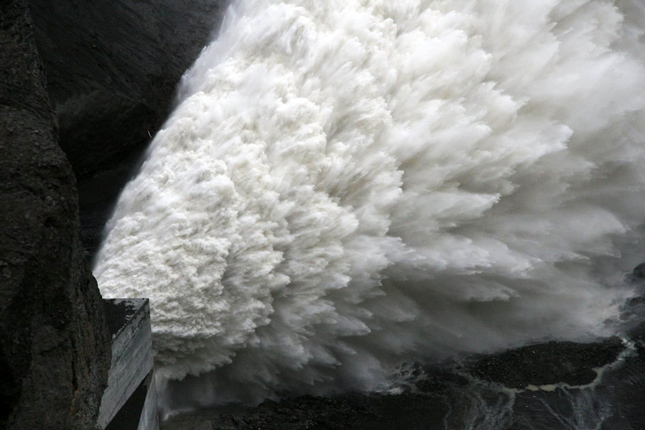
  • Water Wars? Think Again: Conflict Over Freshwater Structural Rather Than Strategic

    ›
    Guest Contributor  //  April 15, 2014  //  By Cameron Harrington
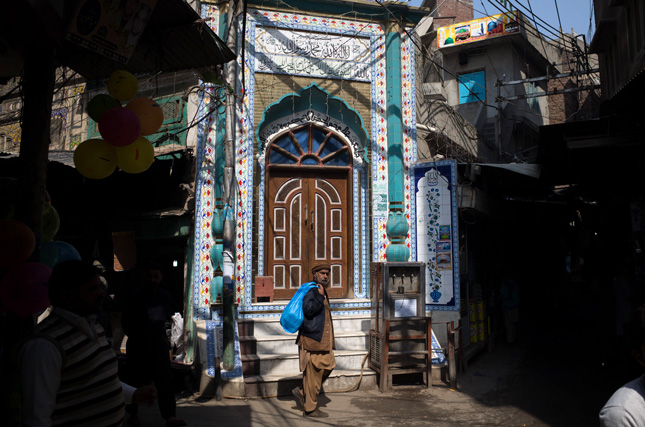
    Pakistan-flooding

    The global water wars are almost upon us!

    At least that’s how it seems to many. The signs are troubling: Egypt and Ethiopia have recently increased their aggressive posture and rhetoric over the construction of the Great Ethiopian Renaissance Dam in the headwaters of the Blue Nile, Egypt’s major artery since antiquity. India continues to build new dams that are seen by its rival Pakistan as a threat to its “water interests” and thus its national security. Turkey, from its dominant position upstream, has been diverting the Tigris and Euphrates rivers and increasing water stress in the already-volatile states of Iraq and Syria.

    MORE
  • Kaja Jurczynska, All Access

    In Pakistan, More Questions Than Answers When It Comes to Family Planning

    ›
    April 9, 2014  //  By Wilson Center Staff
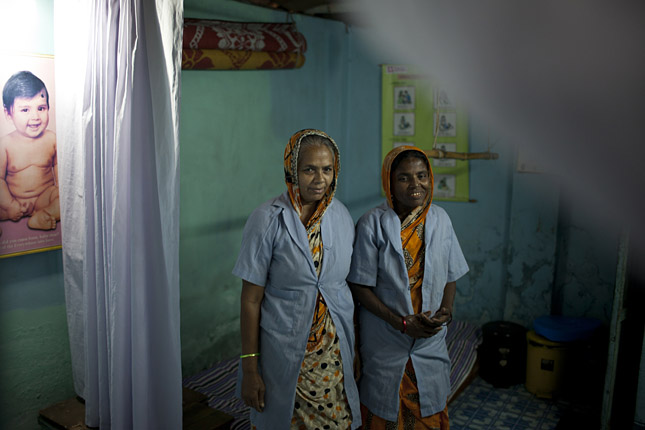
    pakistan-clinic

    The original version of this article, by Kaja Jurczynska, appeared on Population Action International’s All Access blog.

    Imagine you’re a woman living in Pakistan who would like to decide if and when to have children. You’re going to school, or you’ve got a job, or you’ve had a child and simply want some space before your next pregnancy. How easy will it be for you to get your needs met?

    MORE
  • Climate Change Will Cause More Migration, But That Shouldn’t Scare Anyone

    ›
    Guest Contributor  //  March 25, 2014  //  By Robert McLeman
    migration

    Last year a Kiribati man, Ioane Teitiota, claimed asylum in New Zealand, stating that his home island, which is on average just two meters above sea level, was becoming uninhabitable thanks to rising seas. So-called “king tides” routinely wash over entire portions of the archipelago.

    MORE
  • USAID Administrator Rajiv Shah on Public-Private Partnerships and the Future of Aid

    ›
    Friday Podcasts  //  March 7, 2014  //  By Paris Achenbach

    rajiv_shahWhat’s the best way for America’s chief development agency to help other countries reach prosperity and democracy? Increasingly, it’s creating partnerships not just with other governments, but with the private sector too, says USAID Administrator Rajiv Shah in this week’s podcast.

    MORE
  • Kaja Jurczynska, All Access

    Pakistan Needs to Empower Women to Boost Its Economy

    ›
    February 26, 2014  //  By Wilson Center Staff
    contraceptive_use_Pakistan2

    The original version of this article, by Kaja Jurczynska, appeared on Population Action International’s All Access blog.

    Pakistan is at a crossroads, and not for the reasons you might think.

    MORE
  • Basket Case No More? Bangladesh’s Successes Portend Resilience in Face of Change

    ›
    Guest Contributor  //  February 17, 2014  //  By Saleemul Huq & James Totton
    Bangladesh_market

    This past December, Bangladesh turned 42, bringing the country Henry Kissinger once predicted would become a “basket case” into comfortable middle age (though perhaps this analogy breaks down for countries like Switzerland, age 722).

    MORE
  • A Dialogue on Pakistan’s Galloping Urbanization

    ›
    From the Wilson Center  //  November 4, 2013  //  By Michael Kugelman
    Rawalpindi-urbanization

    Pakistan, long a nation defined by its large rural populations and dominant agricultural industries, is undergoing a dramatic urban shift.

    According to UN Population Division estimates, the country is urbanizing at a three percent annual rate – the fastest pace in South Asia. In barely 10 years, nearly 50 percent of Pakistan’s 180 million people will live in cities (a third do today). Pakistani government projections using density-based rather than administrative definitions of urbanization suggest that Pakistan’s urban population has already reached 50 percent.

    MORE
  • Katherine Carter, Fund for Peace

    Is Youth Bulge a “Magic Indicator” for the Failed States Index?

    ›
    October 17, 2013  //  By Wilson Center Staff
    outbreaks-of-civil-conflict

    The original version of this article, by Katherine Carter, appeared on the Fund for Peace’s World Square blog.

    Today approximately 44 percent of the world’s 7.2 billion people are under 24 years old – and 26 percent are under 14. Of those 7.2 billion people, a staggering 82 percent live in less developed regions of the world – primarily sub-Saharan Africa and Asia. Currently, the global median age is 29.2 years old, a sharp contrast to Europe, for example, where the median age is 41.

    MORE
Newer Posts   Older Posts
View full site

Join the Conversation

  • RSS
  • subscribe
  • facebook
  • G+
  • twitter
  • iTunes
  • podomatic
  • youtube
Tweets by NewSecurityBeat

Trending Stories

  • unfccclogo1
  • Pop at COP: Population and Family Planning at the UN Climate Negotiations

Featured Media

Backdraft Podcast

play Backdraft
Podcasts

More »

What You're Saying

  • Volunteers,At,The,Lagos,Food,Bank,Initiative,Outreach,To,Ikotun, Pan-African Response to COVID-19: New Forms of Environmental Peacebuilding Emerge
    Rashida Salifu: Great piece 👍🏾 Africa as a continent has suffered this unfortunate pandemic.But it has also...
  • A desert road near Kuqa An Unholy Trinity: Xinjiang’s Unhealthy Relationship With Coal, Water, and the Quest for Development
    Ismail: It is more historically accurate to refer to Xinjiang as East Turkistan.
  • shutterstock_1779654803 Leverage COVID-19 Data Collection Networks for Environmental Peacebuilding
    Carsten Pran: Thanks for reading! It will be interesting to see how society adapts to droves of new information in...

What We’re Reading

  • Rising rates of food instability in Latin America threaten women and Venezuelan migrants
  • Treetop sensors help Indonesia eavesdrop on forests to cut logging
  • 'Seat at the table': Women's land rights seen as key to climate fight
  • A Surprise in Africa: Air Pollution Falls as Economies Rise
  • Himalayan glacier disaster highlights climate change risks
More »
  • woodrow
  • ecsp
  • RSS Feed
  • YouTube
  • Twitter
  • Facebook
  • Home
  • Who We Are
  • Publications
  • Events
  • Wilson Center
  • Contact Us
  • Print Friendly Page

© Copyright 2007-2021. Environmental Change and Security Program.

Woodrow Wilson International Center for Scholars. All rights reserved.

Developed by Vico Rock Media

Environmental Change and Security Program

Woodrow Wilson International Center for Scholars

Ronald Reagan Building and International Trade Center

  • One Woodrow Wilson Plaza
  • 1300 Pennsylvania Ave., NW
  • Washington, DC 20004-3027

T 202-691-4000