-
With New Analytics, a Vision of Alternative Futures for Uganda
›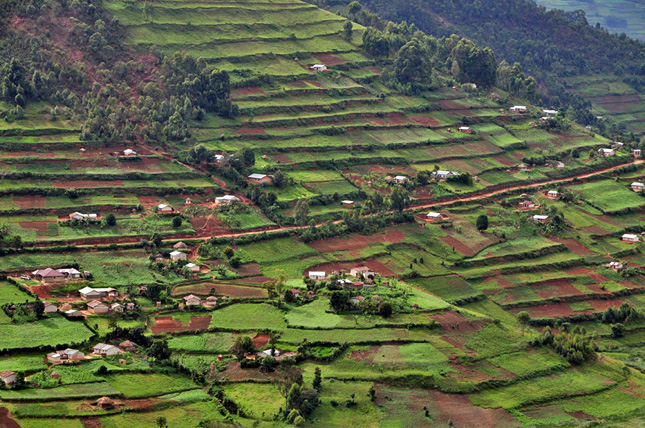
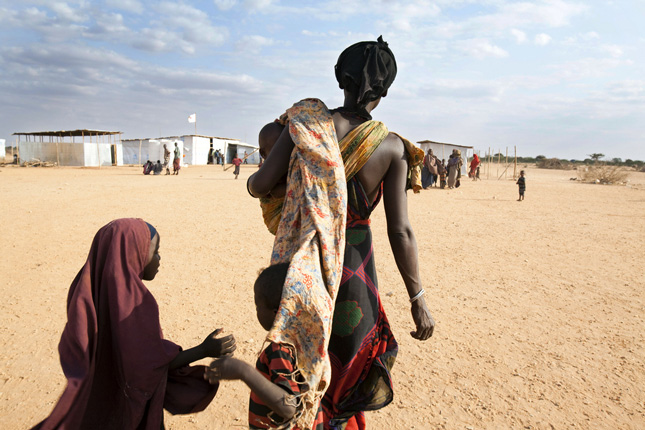
Since becoming an independent nation in 1962, Uganda has struggled with high rates of poverty, regional and international conflict, and both endemic and epidemic disease outbreaks, particularly HIV/AIDS. In recent years, though, it has become a key partner of the United States. The U.S. government provides foreign assistance to improve the lives of Ugandans but also to advance stability in the East Africa region generally, with the bulk of these programs administered by the U.S. Agency for International Development (USAID).
-
Wartime Public Health Crises Cause More Deaths Than Weapons, So Why Don’t We Pay More Attention?
›
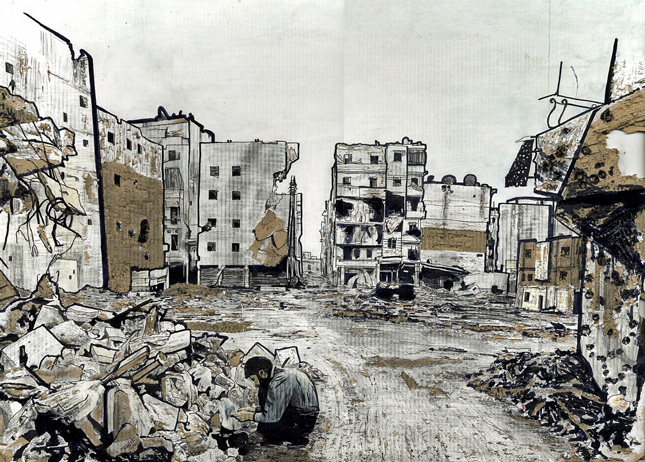
In 2004 I was honored to be interviewed for The Lancet medical journal’s “Lifeline” series. I had just come away from a disastrous short tenure as the interim minister of health in Iraq following the 2003 war. I had support from former Secretary of State Colin Powell to rapidly mitigate and recover the war-related destruction of essential public health infrastructure and protections required as occupiers under Articles 55 and 56 of the Geneva Conventions that follow every war.
-
Building a Locus of Control: Protecting Yourself From “Climate Trauma”
›January 23, 2017 // By Lynae BresserWith countries declaring drought emergencies and islands facing inundation, it can be difficult to turn away from the big picture when it comes to climate change. If we are to build a climate-resilient society, though, we must look to resilience at its origins, says one group of experts: the individual.
-
“You Are Asking About Pollution?”: One Journalist’s Perspective on the Mid East’s Environmental Crisis
›It was some point in May last year, shortly after ISIS surged into the city of Ramadi, and I was working on a story about Iraq’s fast-disappearing Mesopotamian Marshes. Keen to fact-check a few statistics with the Ministry of Water Resources and to hear the government line on the wetlands’ struggles, I dialed its Baghdad offices. After being passed from official to official like a hot potato, a young employee, Hussein, finally gave it to me straight. “No, no, we don’t have this sort of information,” he said, clearly impatient to get off the phone. “There are much more important things in Iraq right now.”
-
Could Climate Change Keep Kids Out of School? Q&A With Environmental Sociologist Heather Randell
›Education is seen as a key tool for building resilience to climate change in the developing world. But new research shows that climate change could also make it harder to keep kids in school and ensure they get the best out of their time in the classroom.
-
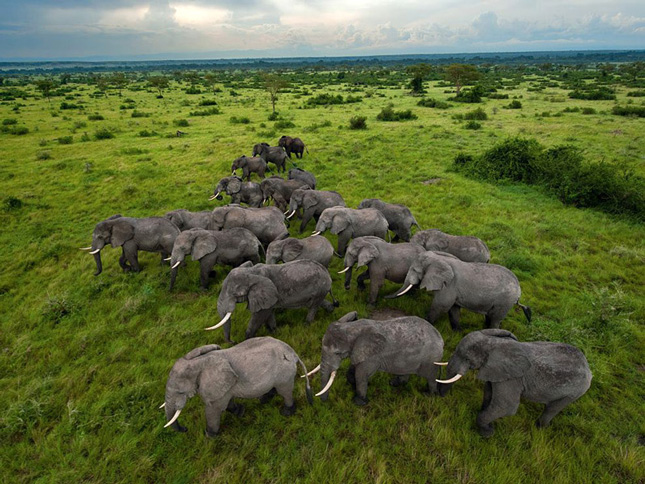
As Ivory Becomes Bigger Issue, Environmental Peacebuilding Gaining Ground at IUCN World Congress
›A traditional conservation approach to climate change (e.g., habitat restoration, species protection) has been a primary tenet of the International Union for Conservation of Nature (IUCN) agenda for decades. But this fall at the quadrennial World Conservation Congress in Hawai’i there were new discussions about tackling climate change in the context of national security and environmental peacebuilding.
-
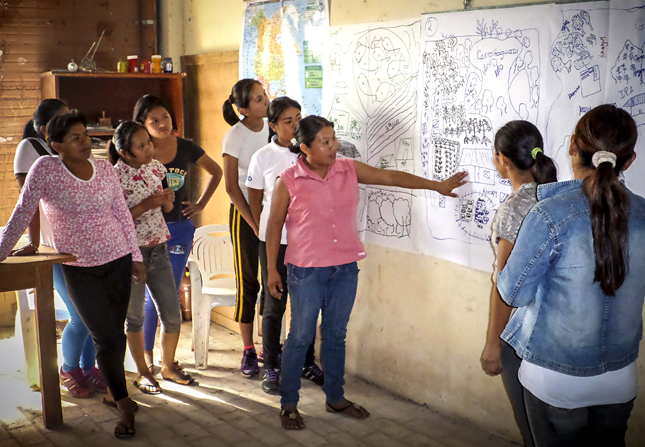
Building a Case for Integrated Development: A New Research Agenda and Examples From the Field
›With the Sustainable Development Goals nearing their one-year anniversary, the global community continues to strive toward eradicating poverty by 2030. In order to achieve this ambitious target, many international development practitioners are embracing a more holistic approach to development, combining traditionally single-sector programming, like health or environment work, into more comprehensive efforts. But such integrated development is sometimes easier said than done.
-
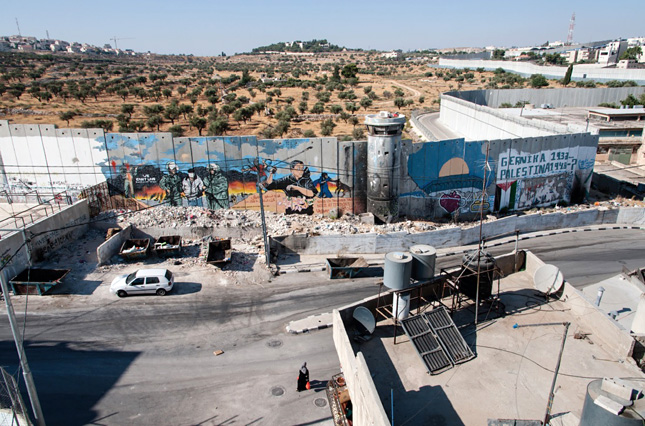
Major Water Disputes Are Often Beyond War and Peace
›Early this June, the Israeli government cut off drinking water to people living in the Salfit region of the West Bank and three villages east of Nablus. The consequences have been dire. Thousands of Palestinians have been left with no running water in their homes, and factories have been forced to shutter. The power imbalance that leaves Palestinians so vulnerable to Israeli turns of the valve plays out every year, made possible by Israel’s occupation of the water-rich Golan Heights in 1967. What is perhaps most surprising is that the situation persists.
Showing posts from category Ethiopia.