-
Foresight for Action | Ecosystem Degradation, Transnational Migration, and Political Instability: Three Main Tipping Points for East Africa
›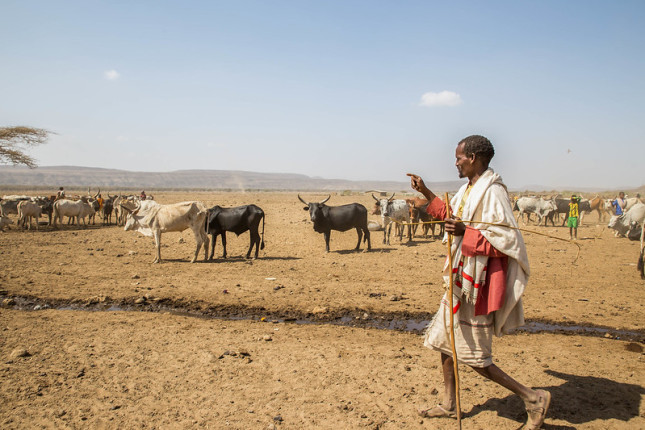
The Horn of Africa faces critical security and climate risks. Persistent droughts have precipitated the onset of food insecurity and waterborne disease, while heavy rain events such as Cyclone Sagar have caused widespread flooding, mudslides, and wind damage. These challenges are increasing in severity against a backdrop of changing demographic trends—including rapid population growth, increased migration, and urbanization—and power struggles both within and between countries in the region.
-
Nile River Water Supply Forecasts May Reduce the Chance of Conflict
›
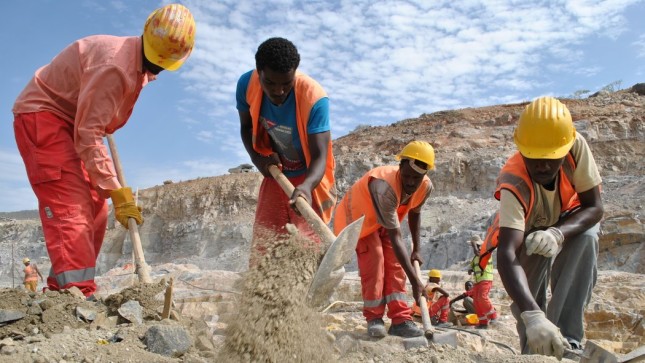
Rising tensions between Egypt and Ethiopia over construction of the Grand Ethiopian Renaissance Dam (GERD) have led to speculation that there could be a war over water. When completed, the dam will be the largest in Africa. And it will give Ethiopia control over the Blue Nile River, a major source of Egypt’s water.
-
Lessons From International Water Sharing Agreements for Dealing With Climate Change
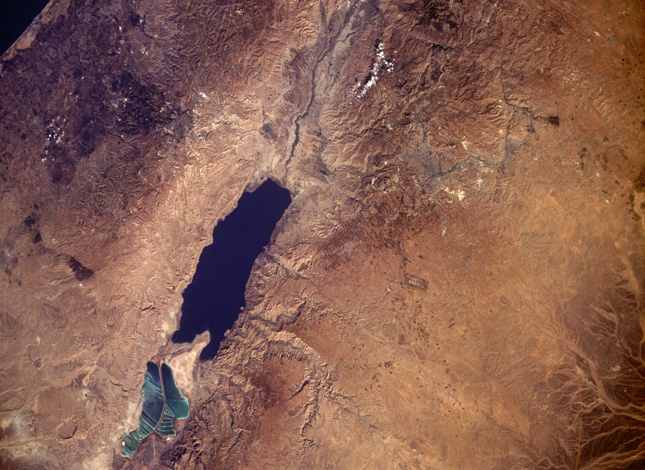
›Scientists agree that many countries in tropical, subtropical, and arid regions should expect changes to water availability and supply from climate change. The U.S. intelligence community has likewise warned of water-driven challenges not only for countries directly affected by water changes, but indirectly to various U.S. national security interests. Perhaps not surprisingly then, the popular literature has been quite clear about prophesizing wars over water.
-
Wilson Center’s Lisa Palmer Launches ‘Hot, Hungry Planet’
›A steadily increasing global population, growing food demand, and changing climate necessitate new kinds of thinking in agriculture but also fields like public health and energy, concludes a new book, Hot, Hungry Planet, by former Wilson Center Public Policy Scholar and current Senior Fellow at the National Socio-Environmental Synthesis Center Lisa Palmer.
-
Food Access and the Logic of Violence During Civil War
›In 1981, Nobel Laureate Amartya Sen noted that “starvation is the characteristic of some people not having enough food to eat. It is not the characteristic of there being not enough food to eat.” Sen was referring to the idea that hunger is not always related to food supply; even in places where ample food exists, many people do not have regular access to it. Yet, more than three decades later, research into the effects of agriculture on armed conflict is still focused much more on the former than the latter.
-
Climate-Induced Migration in the Philippines, and Mercy Corps’ Resilience Work in Ethiopia
›Recent rises in temperature and typhoon frequency and intensity have resulted in more internal migration in the Philippines, according to an article by Pratikshya Bohra-Mishra et al. in Population and Environment. The authors conclude that temperature change and natural disasters, such as typhoons, can have a significant effect on short-distance, sub-national migration because they reduce rice yields, which is used as a proxy for agricultural productivity. -
Richard Choularton on 3 Steps to Avert the Famines We See Coming
›There has been great progress in anticipating famines in recent years, with most predicted six or more months ahead of time, says Richard Choularton, senior associate for food security and climate change at Tetra Tech, in this week’s podcast. But action to address their humanitarian impacts has lagged. Responses need to be more consistent and faster, he says, happening “almost without human intervention.” -
The Urban Disadvantage: Rethinking Maternal and Newborn Health Priorities
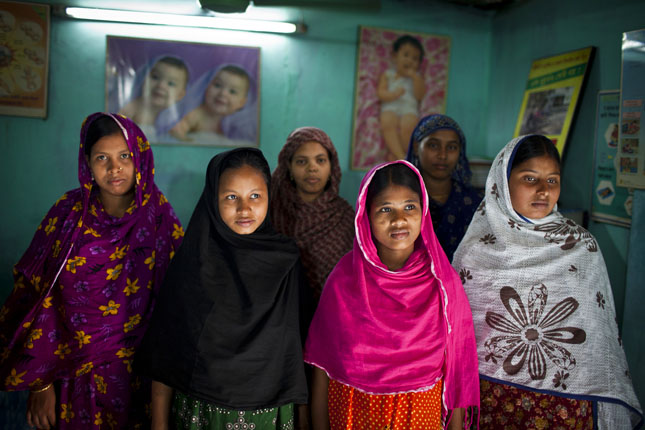
›Urbanization is changing the face of poverty and marginalization, and the maternal and newborn health field needs to change too, said a panel of experts at the Wilson Center on January 24.
Showing posts from category Ethiopia.

 There has been great progress in anticipating famines in recent years, with most predicted six or more months ahead of time, says Richard Choularton, senior associate for food security and climate change at Tetra Tech, in this week’s podcast. But action to address their humanitarian impacts has lagged. Responses need to be more consistent and faster, he says, happening “almost without human intervention.”