-
Calming the Waters: Why We Need to Better Integrate Climate and Water Policy
›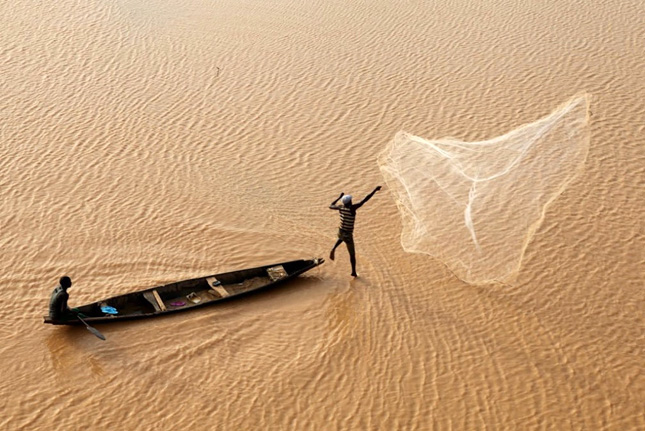
The Nile River is shared by 11 countries, for which it is vital for food and energy production, freshwater, and as a means of transportation. Sharing the resources of the Nile has, however, been politically difficult. Recently, the construction of the Grand Ethiopian Renaissance Dam has caused a major dispute with downstream Egypt which fears the dam will affect water flow in its own territory.
-
Africa’s Regional Powers Are Key to Climate Negotiations – But Will They Cooperate?
›
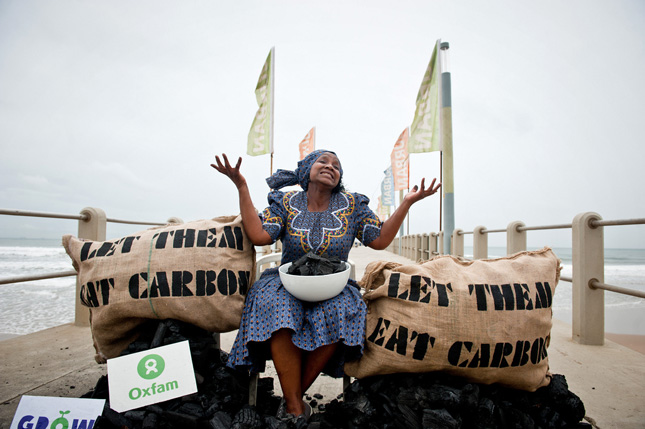
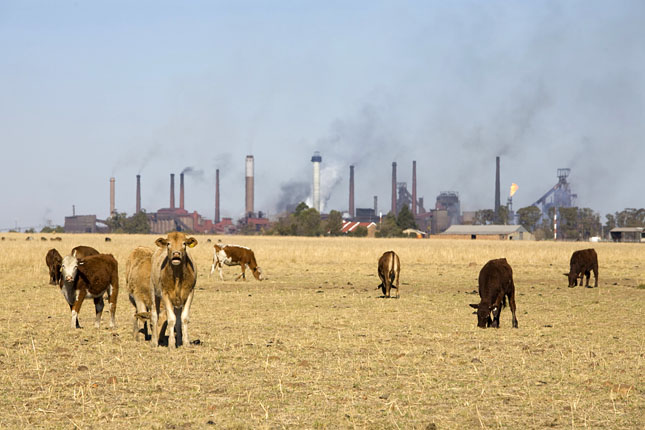
Most African states are more vulnerable and less prepared to address climate change challenges than the rest of the world. This observation is supported by a wide variety of sources, including the Climate Vulnerability Index and the Notre Dame Global Adaptation Index. And in fact Africans and their political leaders frequently observe that this crisis, manufactured in the developed world, disproportionately affects their continent. During a meeting of the African Union in 2007, Ugandan President Yoweri Museveni called climate change “an act of aggression” by the rich against the poor.
-
Inside a Data-Driven Attempt to Fight Spoilage in U.S. Food Aid
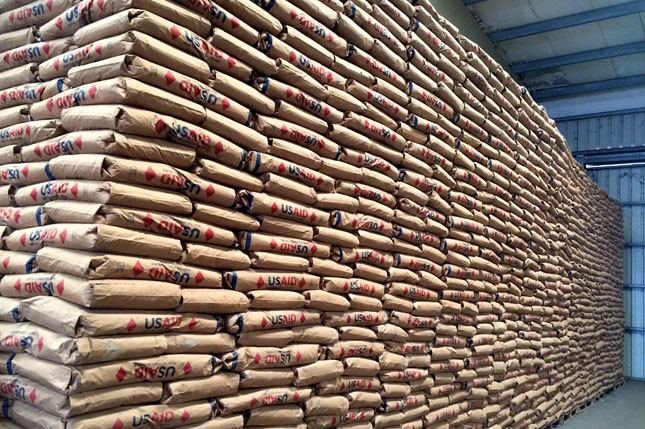
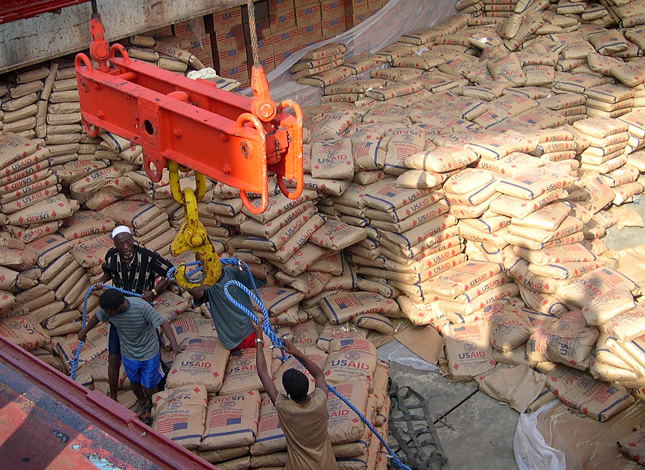
›Today, as El Niño-related droughts impact communities across East and Southern Africa, food aid shipment and distribution networks have shifted into high gear. From the U.S. Agency for International Development to the United Nations World Food Program and NGOs like CARE and Save the Children, food aid providers are stocking port warehouses in Djibouti and South Africa, as well as inland warehouses in countries like Ethiopia, Zimbabwe, and Lesotho.
-
Why East Africa’s Refugee Crises Can No Longer Be Ignored
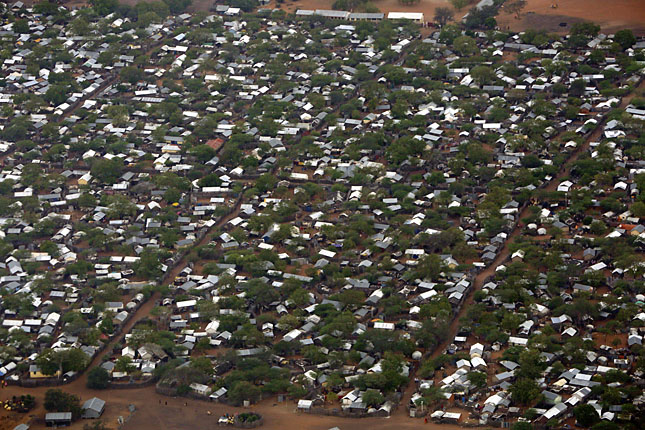
›Citing security concerns, the government of Kenya recently announced their intent to close the world’s largest refugee complex, Dadaab, after almost 25 years. [Video Below]
-
We’re At Peak Storytelling – And That’s a Good Thing
›Everywhere you look these days, you find storytellers. I’ve found myself going to fewer concerts after work and more storytelling nights. Podcasts have sprung up dedicated to the craft of narrative. It’s a brand I hear friends use to define themselves: “I’m a storyteller.” If you’re under 30, it’s a natural and ubiquitous part of the milieu.
-
The Future of the Sustainable Development Goals
›“As we go forward, we will discover that 2015 was when we really started getting serious about transdisciplinary challenges inherent in sustainable development,” said Melinda Kimble, senior vice president for programs at the UN Foundation, at the Wilson Center on April 13. [Video Below]
-
Ethiopian Drought Response a Sign of How Far We’ve Come and Where We Need to Go
›Drought in Ethiopia, exacerbated by El Niño, has put more than 10 million people in a position of being unsure how long they will have food and where it will come from next. Inevitably, the drought has been compared to the infamous drought of 1983-1984 that led to the worst famine in the country’s history, making millions destitute, and contributing to the deaths of 400,000. But Ethiopia is in a very different place today than it was in 1983.
-
Why Do Land Grabs Happen? Because They Can
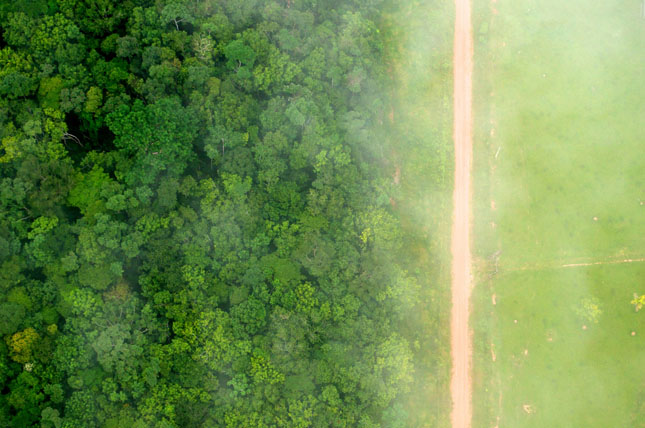
›May 9, 2016 // By Michael KugelmanIn January, over the objections of indigenous groups that live there, the government of Ecuador sold oil exploration rights to 500,000 acres of the Amazon to a consortium of Chinese companies. Whenever we hear about stories like this, there is a tendency to think: How can this happen? How can obscenely rich investors run roughshod over the land, livelihoods, and rights of impoverished local communities, and with utterly no consequences?
Showing posts from category Ethiopia.