-
World Economic Forum and OECD on Global Risks and Fragility: Treat the Contagion
› The World Economic Forum’s 2017 Global Risks Report, like other recent analyses of global trends, notes “rising political discontent and disaffection,” but also significant concern for environmental issues. The forum polled 745 leaders, nearly half of whom are from the business community, on the likelihood and impact of various global risks.
 -
Environmental Defenders Are Being Murdered at an Unprecedented Rate, Says UN Special Rapporteur
›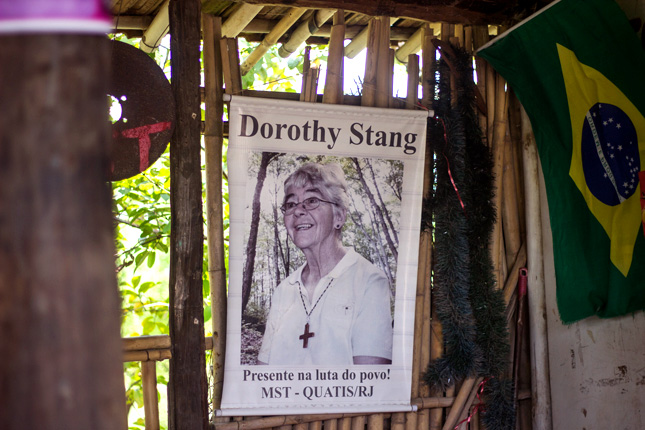
The Earth’s front-line defenders are disappearing at an astonishing rate. On average three environmental activists were killed each week in 2015, according to a recent report from the United Nations special rapporteur on the situation of human rights defenders. Global Witness, an international NGO that documents natural resource extraction, corruption, and violence, reports a 59 percent increase in deaths last year compared to 2014. In total, 185 killings of environmental defenders were recorded by Global Witness in 2015.
-
Climate Variability Is Increasing Internal Migration in South America, Swelling Cities
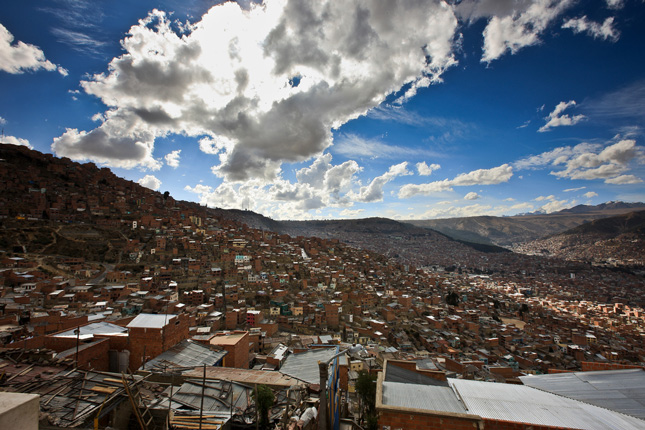
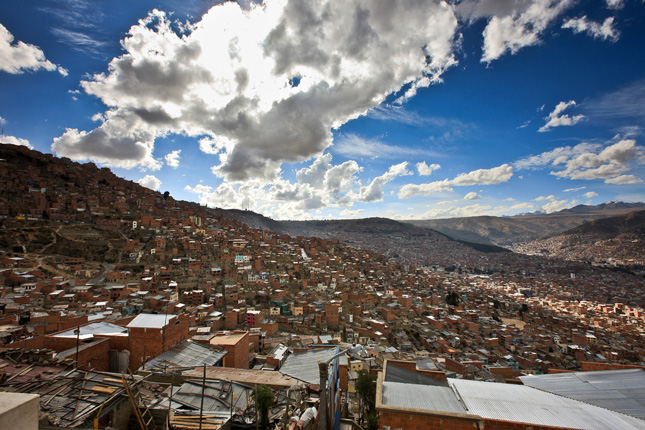
›As global climate change affects livelihoods across the world, migration patterns are also changing. In a recent study published in Global Environmental Change, Clark Gray, Valerie Mueller, and I found that since the 1970s, climatic variations have been increasing internal migration across many South American countries, with few exceptions. And many people are headed to cities.
-
5 Focal Points for U.S. Global Water Strategy (And Submit Your Own Too)
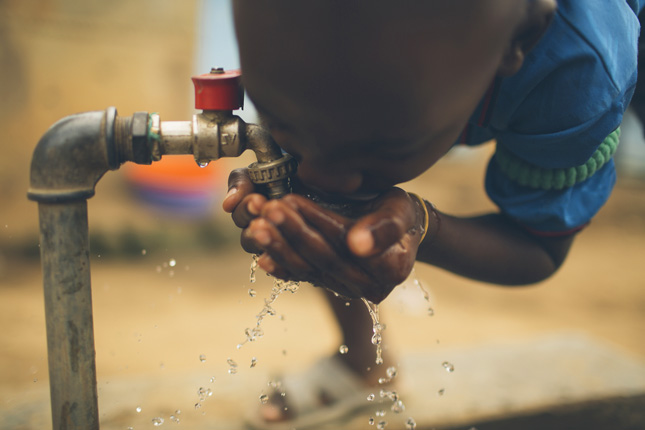
›November 3, 2016 // By Ken ConcaHave something to say about the U.S. government’s approach to water around the world? Here’s your chance. The Department of State has issued a public call for comment on its global water strategy. An open session was held in Washington last Friday, but written comments can be submitted until November 12.
For inspiration, here are points made by our own (and American University’s own) Ken Conca, edited for space:
-
As Cities Grow More Crammed and Connected, How Will We Discourage the Spread of Disease?
›Near the corner of Broadwick and Lexington in London’s Soho neighborhood, a single spot on the ground has influenced more than 150 years of urban development. It’s the location of a water pump that in 1854 physician John Snow pinpointed as the source of contamination leading to a widespread outbreak of cholera in the neighborhood that killed more than 600 people.
-
What Makes Agriculture Vulnerable to Climate Change, and the Mortality Effects of Fruit and Vegetable Scarcity
›Gains in food production and increased awareness of global food security are threatened by looming losses due to climate change, according to a study published in The Lancet. Marco Springmann et al. calculate that climate change will lead to a 3.2 percent reduction in global food availability per person by 2050, driven by changes in weather patterns, increasing frequency of extreme weather, and potential social disruptions to food production like disease and conflict. -
How Zika Is Shaping the Sexual and Reproductive Health and Rights Agenda
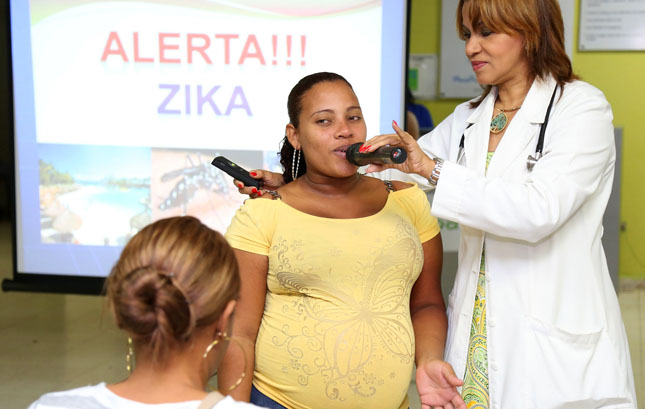
›“The Zika outbreak is a result of something; it is the result of the lost attention to sexual and reproductive health issues as a human right and women as subjects of rights,” said Jaime Nadal Roig, the United Nations Population Fund representative to Brazil, at the Wilson Center on April 12. [Video Below]
-
To Fight Zika, Coordinating Agencies Must Prioritize Effective Knowledge Management
›Zika is a global health challenge. Since its outbreak in Brazil last May, the virus has spread to more than 30 countries and territories and ignited global discourse about family planning, vaccine development, reproductive rights, contraceptive security, and even gender norms.
Showing posts from category Brazil.