-
Intense 2019 Amazon Fire Season May Become Dangerous Template for 2020
›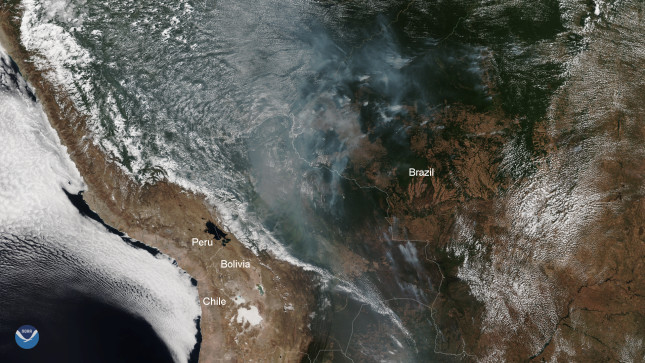
The Amazon endured the most intense fire season in almost a decade in August 2019. On August 19, smoke from the faraway fires blackened the skies over Sao Paulo. By the next day, the hashtag “#PrayforAmazonia” was sweeping across Twitter. The social media outcry brought world attention to the already dire scientific warnings, and world leaders offered aid and pressured Brazilian President Jair Bolsonaro to take action.
-
Healthy Women, Healthy Economies: A Look at Brazil (New Report)
›
“Globally, women face obstacles to entering, advancing in, and remaining in the workforce as a result of gender discrimination, harassment, and a lack of supportive, gender-sensitive policies.” – Healthy Women, Healthy Economies: A Look at Brazil
In Healthy Women, Healthy Economies: A Look at Brazil, Sarah B. Barnes, Project Director of the Maternal Health Initiative, and Elizabeth Wang, Maternal Health Initiative Intern, discuss the intersections of women’s health and well-being and their economic empowerment. The report also takes a look at current progress and remaining barriers to female participation in Brazil’s workforce.
-
Mining Giant Behind Deadly Dam Collapse Took Lax Approach to Corporate Responsibility
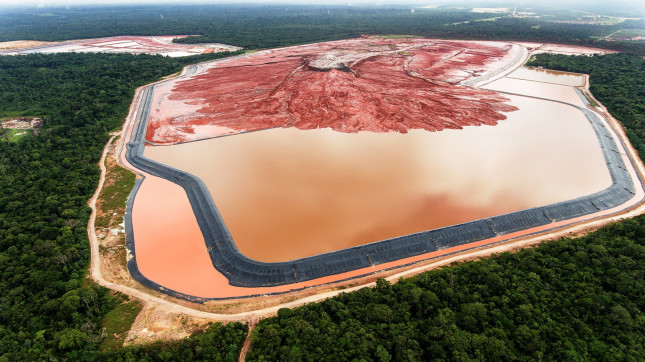
›On January 25, 2019, an iron ore mining dam collapsed in Brumadinho, Brazil. The accident was probably the worst mining dam incident in the last three decades, according to the UN. So far, 203 people have been found dead and 105 are still missing, buried underneath the wave of almost 13 million cubic meters of mining waste. At least 305 kilometers of the Paraopeba river are now covered in toxic mud. Vale SA, the company that built the dam, is the world’s largest iron ore producer.
-
Environmental Activists Under Assault in Brazil
›Environmental activists in Brazil are under attack. Last year—the worst year on record—57 of them were assassinated in Brazil, the most dangerous country for environmental activists in the world. The last few years have seen a dramatic uptick in killings of people who take a stand against companies and other actors that commit environmental crimes.
-
Warning: The Amazon May Soon Reach the Point of No Return on Forest Loss
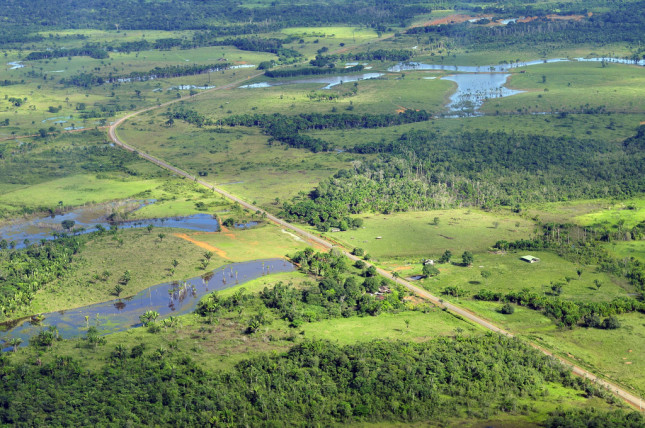
›“What we do during this decade can be critical for the future of Amazonia,” said São Paulo Research Foundation member, Paulo Artaxo, at a recent Wilson Center event on efforts to support sustainability and development in the Amazon region. The recently accelerating environmental change in the Amazon region warrants greater collaboration between the civil and scientific communities on community and international scales, according to a panel of experts.
-
Managing Sludge Mountains: What Beijing Can Learn From Brazil
›Just days before the 2016 Summer Olympics began in Rio de Janeiro, the Brazilian city faced an unsavory problem: how to handle its overwhelming sewage. Nearly half of Rio’s municipal wastewater flowed untreated into Guanabara Bay, where the waters were so polluted by sludge that direct contact was deemed a health hazard to Olympic athletes.
-
Historic Drought Prompts Water Innovation in California – Can It Be a Model?
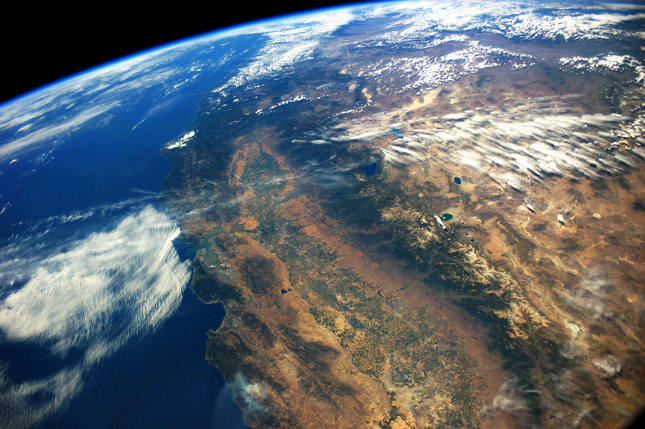
›Pray for rain. Mega-drought. Winter salmon run nearly extinguished. Sierra snowpack dismal. These were just some of the headlines in California newspapers over the last five years during a historic drought that elevated water security to the top of everyone’s minds.
-
ND-GAIN Updates Climate Adaptation Index: Good News for Myanmar, Bad News for Brazil
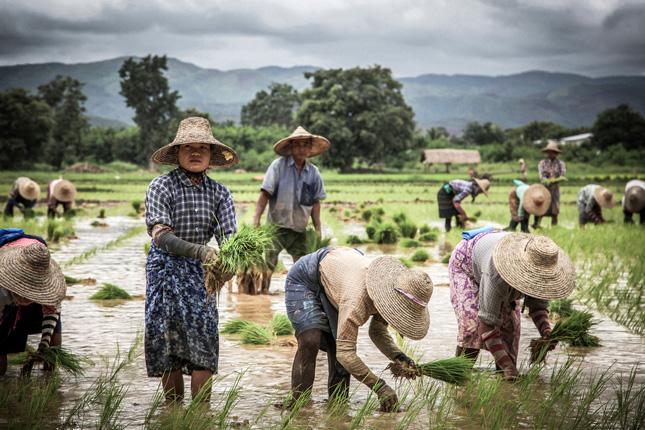
›As climate change leads to more weather variability and natural disasters, the need for adaptation is more urgent than ever. The Notre Dame Global Adaptation Initiative (ND-GAIN) aims to enhance understanding of adaptation and inform the public and private sectors on actions and investments.
Showing posts from category Brazil.