-
A. Tianna Scozzaro, Population Action International
Population Dynamics Are Crucial to Sustainable Development – So Why Isn’t Anyone Talking About Them?
›January 29, 2014 // By Wilson Center Staff
The original version of this article, by A. Tianna Scozzaro, appeared on Population Action International’s All Access blog.
For the past 11 months, a group of United Nations member states has been holding meetings seeking input on future goals for sustainable development once the Millennium Development Goals (MDGs) expire in 2015. Led by co-chair ambassadors from Hungary and Kenya, this Open Working Group of 69 countries has delved into topics ranging from governance to health and everything in between.
-
The Year That Resilience Gets Real
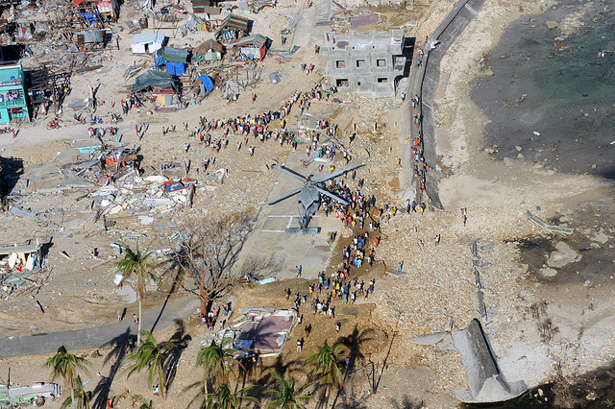
›2014 promises to be a superlative year – and that’s not necessarily a good thing. Complex, “super” disasters like Super Typhoon Haiyan are becoming more frequent, more systemic, and more destructive. Global trends, from population dynamics to food, water, and energy scarcities, threaten to further complicate the playing field. But by finally getting serious about resilience – the much discussed buzzword of 2013 – we might reduce our vulnerability, restore our communities, and build back better, rather than just picking up the pieces.
-
Beyond the Horizon: Understanding the Future for Better Development Today
›December 16, 2013 // By Kathleen Mogelgaard
When Super Typhoon Haiyan ripped through the Philippines last month, the incredible damage visited on the people, infrastructure, and land was shaped by trends that have been in motion for decades. The country’s population has been growing rapidly, with high concentrations of people living in cities and along the coast; economic growth had been steady, but weak governance and corruption may have exacerbated vulnerability; and the gradual loss of coastal forests and mangroves left many communities exposed to the full brunt of the typhoon’s storm surge. On a positive note, wireless technology and crowd-sourced data helped in disaster response.
-
More Than Local: How PHE Can Help Solve Humanity’s Biggest Problems
›“Leave enough for everyone.” That’s what my mother used to tell us at dinner. However, the holiday season reminds me that human nature is far from innately moderate in consumption. With Black Friday as a kickoff, consumers will spend more than $600 billion by Christmas in the United States alone. As I witness droves of shoppers running through malls and stores, I wonder if their desire is driven by some insatiable appetite for their favorite products or something more fundamental about human nature.
-
Dark Forests: Interview With Bopha Phorn on Investigating Land Deals, Logging, Gender Issues in Cambodia
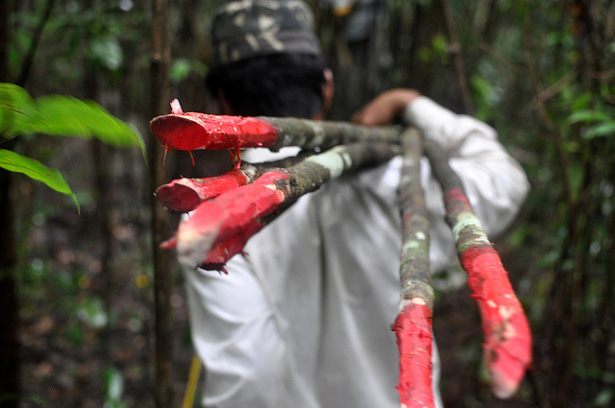
›Cambodia is a young democracy in transition. It has the highest rate of urbanization in Southeast Asia, but the lowest percentage of current urban dwellers and widespread poverty. The Mekong River, on which millions of rural Cambodians rely, is being dammed at a rapid pace, both upstream, beyond the country’s borders, and within. Aided by weak land laws, both foreign and domestic industrial forces have staked claim to large swaths of the country for logging and rubber plantations, displacing thousands.
-
Understanding Climate Vulnerability: José Miguel Guzmán on How Census and Survey Data Can Help Us Plan
›
“Population-related data from census, surveys, and other administrative data can and must be used for adaptation to climate change,” says José Miguel Guzmán in this week’s podcast from the launch of The Demography of Adaptation to Climate Change. As the devastation from Typhoon Haiyan shows, population density, poverty levels, and even building construction quality can have a huge impact on how vulnerable a particular area is to extreme weather, flooding, and other effects of climate change.
-
In Urban Planning for Climate Change, Pay Attention to Population Dynamics & Smaller Cities, Says Daniel Schensul
›
When it comes to coping with the effects of climate change, cities will be a crucial proving ground for adaptation efforts. Over the next few decades, the percentage of the world’s population living in urban areas is projected to increase to 67 percent – 6.3 billion people by 2050, according to the UN. But because three-quarters of the world’s major cities are located on coastlines, the growing percentage of urban residents means more people will be vulnerable to environmental stressors such as sea level rise and storm surges.
-
Climate Change in a Growing, Urbanizing World: Understanding the Demography of Adaptation (Book Launch)
›The effects of climate change are often conveyed through the lens of changing physical landscapes. Shifting weather patterns, the intensification of drought, flooding, and coastal erosion are all primary areas of climate research. But do researchers know enough about changes in the size, distribution, and composition of human populations as they relate to climate vulnerability? [Video Below]
Showing posts from category urbanization.