-
“We Are Not Sitting Idle, We Are Fighting”: Interview With Saleemul Huq on Bangladesh’s Climate & Food Challenges
›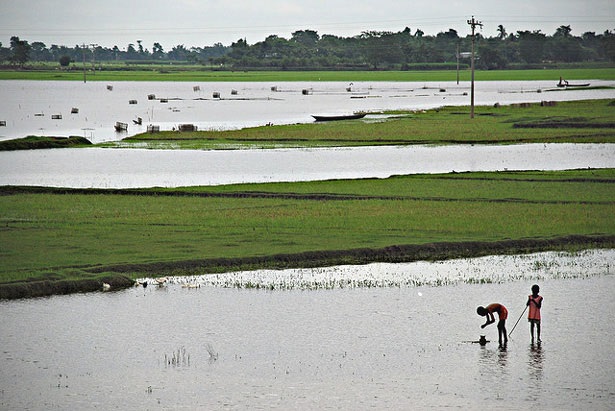
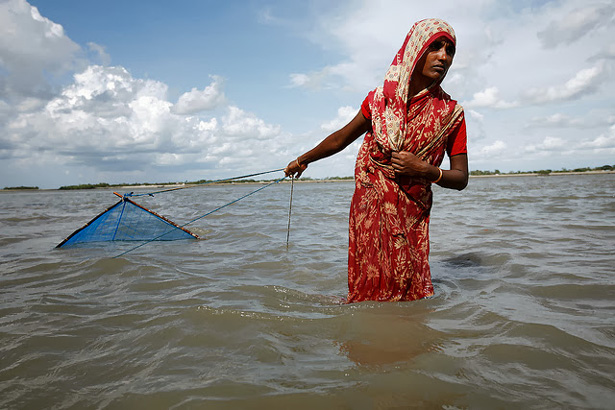
When it comes to climate change vulnerability, it sometimes seems as if all eyes are on Bangladesh. As part of my research for a recent article exploring the rise of aquaculture in the country, I interviewed Saleemul Huq, senior fellow at the International Institute for Environment and Development in London, former executive director of the Bangladesh Center for Advanced Studies, and lead author of two chapters on adaptation and sustainable development in the IPCC’s third and fourth assessment reports. A number of his quotes made it into the final story but I wanted to provide the full transcript here as well, as his thoughts on the country’s climate-related risks, food security, and population dynamics are worth a read.
-
A Dialogue on Pakistan’s Galloping Urbanization
›
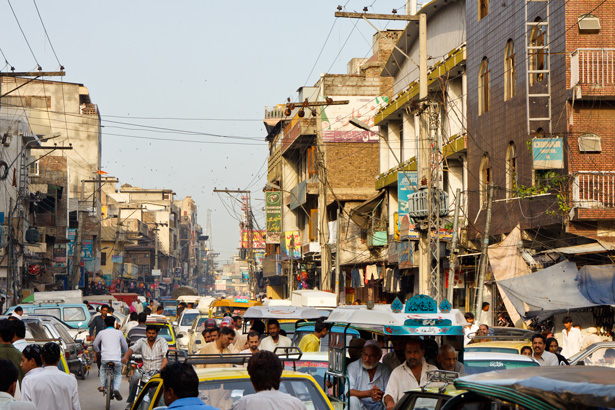
Pakistan, long a nation defined by its large rural populations and dominant agricultural industries, is undergoing a dramatic urban shift.
According to UN Population Division estimates, the country is urbanizing at a three percent annual rate – the fastest pace in South Asia. In barely 10 years, nearly 50 percent of Pakistan’s 180 million people will live in cities (a third do today). Pakistani government projections using density-based rather than administrative definitions of urbanization suggest that Pakistan’s urban population has already reached 50 percent.
-
Amid Perfect Storm of Climate Challenges, Can Aquaculture Net Food Security Gains in Bangladesh?
›October 15, 2013 // By Jacob GlassIt is difficult to find a country feeling the negative impacts of climate change more severely than Bangladesh. Name any alarming, seemingly far off effect of a warming world being discussed in the halls of Washington or the summits of Copenhagen, and there is a good chance Bangladesh is experiencing it today. Flooding, drought, sea level rise, mass migration, and crushing poverty are exacerbated by a growing population and rapid urbanization. This perfect storm of climactic and demographic trends presents a looming crisis for Bangladesh, no more so than when it comes to food security.
-
How to Tell the Biggest Stories of Our Times: Population-Environment Connections at SEJ 2013
›The original version of this article appeared on the Inter Press Service.
What does gorilla conservation have in common with the provision of contraceptives to women? How does rural-urban migration contribute to global warming? What does city planning in Kenya have to do with coastal erosion in the Philippines?
-
Harvesting Peace: Food Security, Conflict, and Cooperation (Report Launch)
›In the wake of food riots in more than 30 countries in 2008 and the Arab Spring, in which food prices played an instigating role, the relationship between food security and instability demands a closer examination. “There is a lot of data on conflict, and a lot of data on food security, but it’s rarely brought together,” said Emmy Simmons, the author of the latest edition of ECSP Report. [Video Below]
-
Emmy Simmons: To Improve Food Security and Prevent Conflict, Think and Commit Long Term
›
“Food is really fundamental to people’s daily existence, and the price or the access to that food is clearly important to them, and people will turn out in the streets when that price spike is unanticipated,” says Emmy Simmons, author of Harvesting Peace: Food Security, Conflict, and Cooperation, in this week’s podcast.
Simmons gives an overview of the latest edition of ECSP Report, which examines how conflict affects food security, and how food security affects conflict.
-
China’s Environmental Crisis Through the Lens: Interview With Photojournalist Sean Gallagher
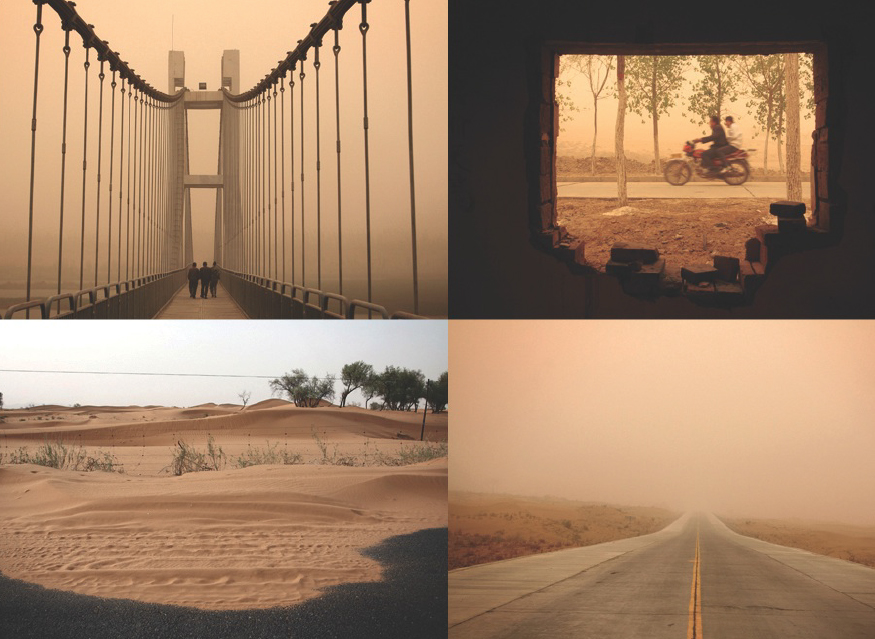
›China is one of the world’s 12 “mega-biodiversity” countries, but its incredible natural landscapes, from Sichuan’s sparkling, turquoise-colored lakes to Guilin’s dramatic karst topography, are bearing the cost of rapid economic development, writes British environmental photojournalist and videographer Sean Gallagher in a new multimedia e-book.
-
Photo Essay: Wuhai City Coal Complex Shows Costs of China’s Energy Demands
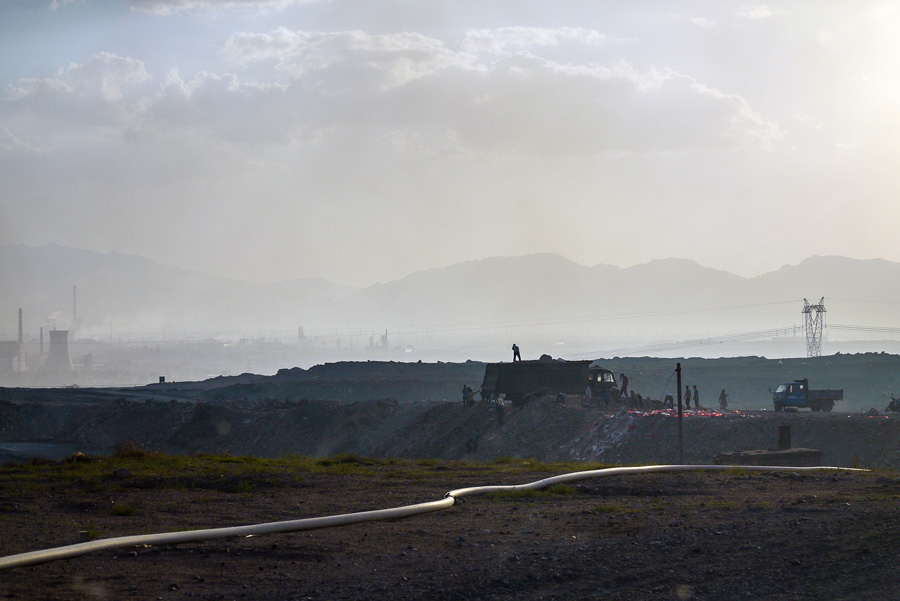
›The black, blasted landscape of Wuhai City sometimes looks more like the moon than Inner Mongolia. But this scene is becoming all too common across much of Northern China. China’s massive coal industry is not only polluting the air and water, but also fundamentally altering the surrounding landscape and communities.
Showing posts from category urbanization.