-
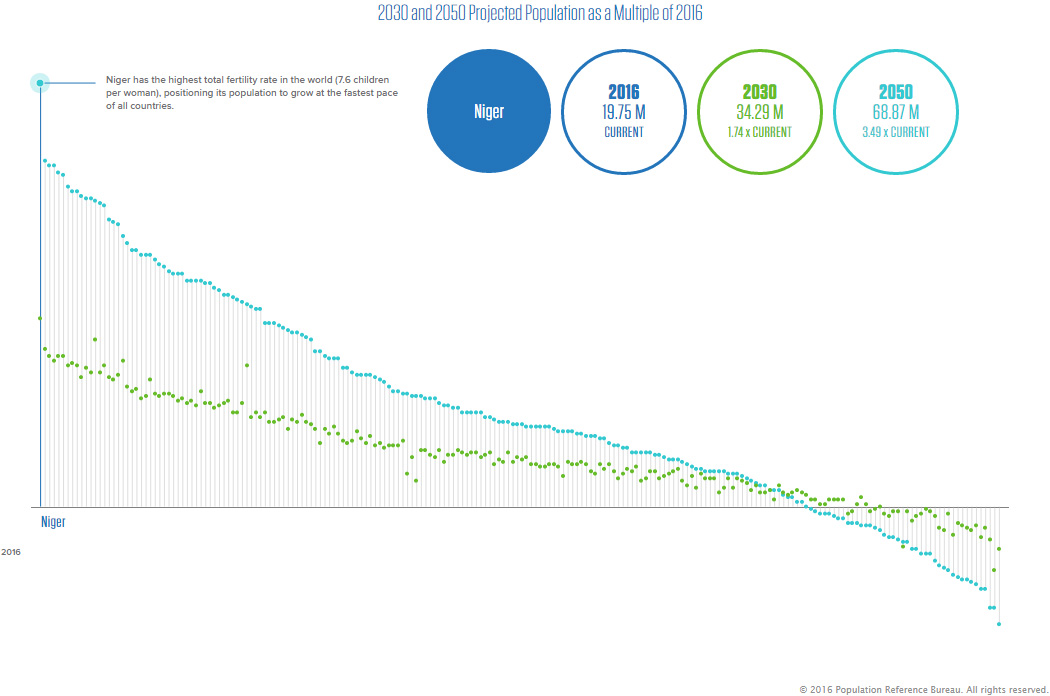
Striving for Sustainability at 10 Billion: The 2016 World Population Data Sheet
›
Featured side by side at the top of The New York Times home page recently were two stories: one on the United States and China, the world’s largest producers of carbon emissions, committing to a global climate agreement, another on how rising seas are already affecting coastal communities in the United States.
-
As Cities Grow More Crammed and Connected, How Will We Discourage the Spread of Disease?
›
Near the corner of Broadwick and Lexington in London’s Soho neighborhood, a single spot on the ground has influenced more than 150 years of urban development. It’s the location of a water pump that in 1854 physician John Snow pinpointed as the source of contamination leading to a widespread outbreak of cholera in the neighborhood that killed more than 600 people.
-
Is Shanghai’s Appetite for Sand Killing China’s Biggest Lake?
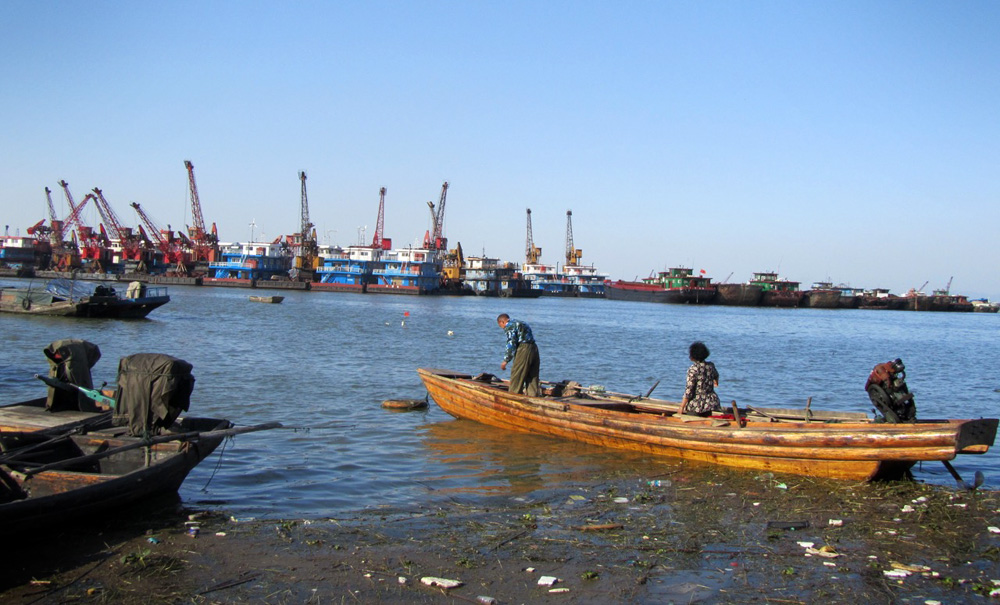
›Times are good for Fey Wei Dong. A genial, middle-aged businessman based in Hangzhou, Fey says he is raking in the equivalent of $225,000 a year from trading in the humblest of commodities: sand.
-
When It Comes to Water Scarcity, Population Growth Tops Climate Change
›One of the findings of the Worldwatch Institute’s Family Planning and Environmental Sustainability Assessment (FPESA) suggests it’s not accurate to claim that climate change is at the root of growing water scarcity around the world. Based on the best recent scientific evidence we could find, another major global trend – the ongoing growth of human population – has a greater impact on water availability than climate change does.
-
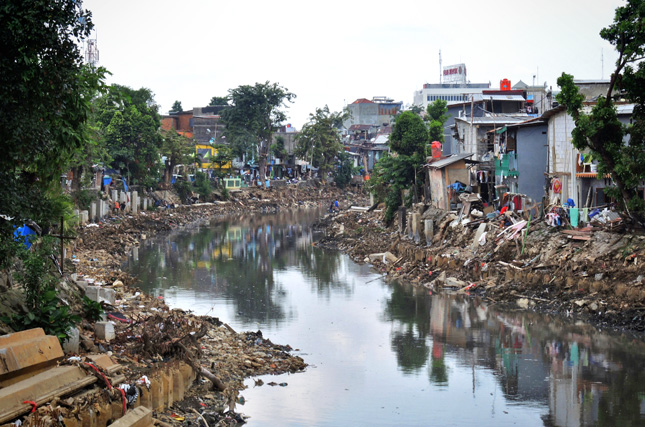
New Approach to Sanitation May Help Fast-Growing Urban Areas Achieve SDGs
›In the late 1990s, world leaders came together to create the Millennium Development Goals – time-bound, quantified targets for addressing extreme poverty and human health and well-being. Notable among them was to “halve, by 2015, the proportion of the population without sustainable access to water and sanitation.”
-
Christian Holmes, Global Waters
USAID Effort Joins Women’s Groups to Improve Sanitation in Vizag, India
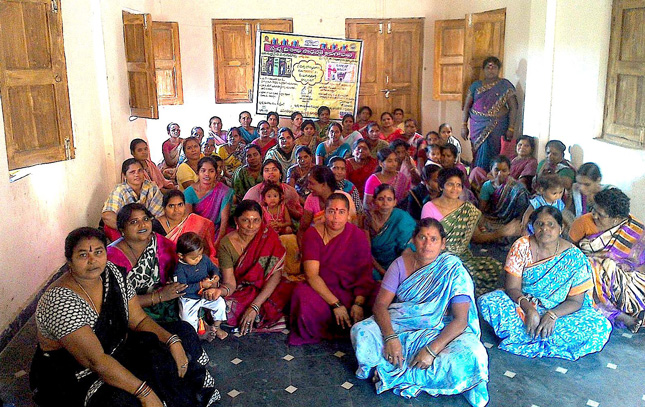
›July 14, 2016 // By Wilson Center StaffAt USAID we recognize the threat poor sanitation combined with rapid urbanization presents to human health, dignity, and prosperity. This is why we have made urban sanitation a global priority for the Agency. During a recent visit to India, I was able to see some of the work being done to bring sanitation services to urban areas, and had the good fortune to meet some inspiring women who are advancing these efforts in their communities.
-
In Cities, the New Battlefield for Sustainable Development, Women and Girls Need Help
›Last month, the world came to Copenhagen to focus on how to achieve the Sustainable Development Goals (SDGs) for girls and women. The Women Deliver Conference, the largest gathering on girls’ and women’s health and rights in the last decade, was a huge success. Convening over 5,700 likeminded people from 169 countries was important to reenergize the movement and inspire action. Preaching to the converted is sometimes important. But now it’s time to focus on those who are not yet converted.
-
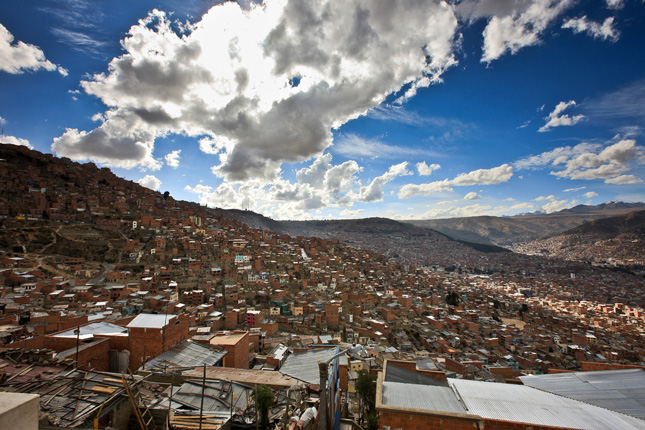
2015 Migration Factsheet, and the Effects of Policy on Climate-Migration Trends in South America
›Climate change is expected to affect rural to urban migration and
Omar O. Chisari and Sebastian Miller, in a recently released working paper by the Inter-American Development Bank, analyze the various policy options available in two cases: domestic migration to São Paulo, and international migration from Bolivia and Paraguay to Argentina. Migration into cities will impact climate change mitigation strategies.
Showing posts from category urbanization.