-
Singapore and the Climate Dilemma: There’s No Way to Go it Alone
›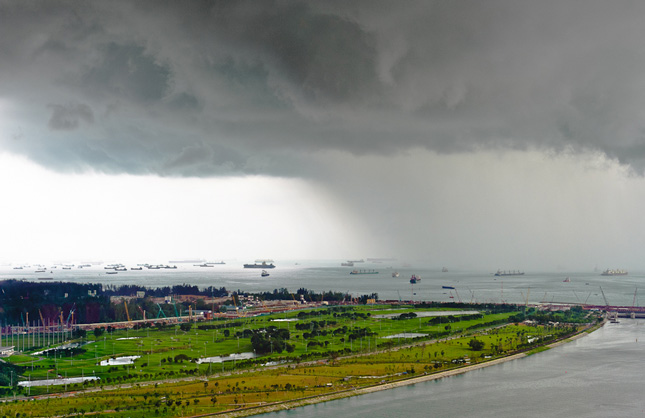
Anyone visiting Singapore, as I did recently, quickly realizes it is exceptional. A tiny, rich, stable city-state of nearly 6 million people perched uneasily in a region of sprawling mega-countries full of poverty and instability, it also a thriving free market trading and financial center that is meticulously planned and where 80 percent of people live in public housing.
-
El Niño Affects Food for 80 Million, “Paradigm Shift” Needed in Disaster Risk Assessment
› A report by the European Union on global food security finds 240 million people are in food stress thanks to conflict, refugee situations, flooding, drought, and El Niño. Part of a 2012 commitment by the EU to better target the root causes of food insecurity, the report analyzes the hunger situation in 70 countries and provides deeper analysis for 20.
 -
Innovative Sludge-to-Energy Plant Makes a Breakthrough in China
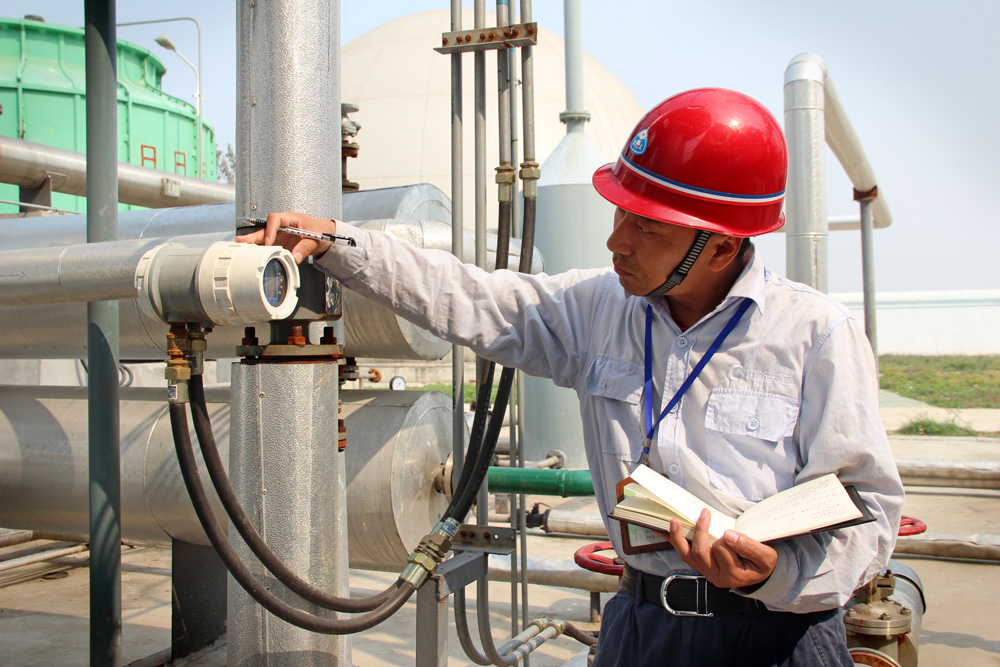
›XIANGYANG, China – This factory located in a quiet island of central China’s Xiangyang city probably won’t grab your attention. Its stainless steel complex and three-story office building look similar to any other. But don’t be fooled by appearances. The plant here holds a secret that has lured more than 100 Chinese mayors to pay their respects and uncover how they can replicate its success.
-
Solomon Greene et al., Urban Wire
To Foster Sustainable Development, Cities Need Data – and Permission to Use It
›Cities are where sustainable development challenges like poverty and disaster risk are felt most acutely, particularly as the world’s population shifts to urban areas. But cities can also be incubators for the policies to address those challenges, and local leaders increasingly hold the keys to fostering inclusive growth and mitigating climate change.
-
Russell Sticklor, Global Waters
How One Philippine City Is Preparing for a Water-Scarce Future
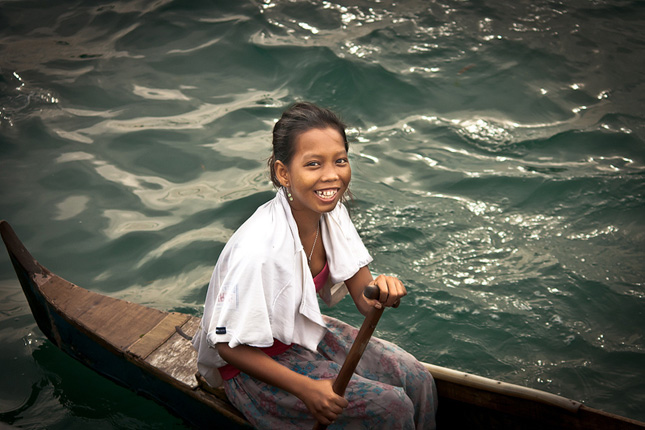
›May 10, 2016 // By Wilson Center StaffSurrounded by water, the Philippines is especially vulnerable to climate change. Its islands and its people are enduring increasingly unpredictable rains, intensifying cycles of flood and drought, and strengthening storms forming in the Pacific. These changing weather patterns have not only derailed livelihoods and agricultural productivity in rural areas, they have also worsened water insecurity in cities, where 45 percent of the population live.
-
Call for Papers: Reducing Urban Poverty 2016 Graduate Student Paper Competition
›To encourage a new generation of urban policymakers and promote early career research, the Wilson Center, U.S. Agency for International Development, IHC – Global Coalition for Inclusive Housing and Sustainable Cities, World Bank, and Cities Alliance are sponsoring the 7th Annual Urban Poverty Paper Competition. The competition is open to graduate students working on topics related to urban poverty in the developing world.
-
What’s Next? A Report Out From the First Planetary Security Conference
›February 18, 2016 // By Gracie CookIn November 2015, experts from a variety of fields gathered at the Peace Palace in The Hague for the Planetary Security Conference, one of the first large-scale conferences on environmental security and what is hoped to be the start of an annual series. The conference report gives a sense of the diverse discussions held in the Netherlands.
-
Keith Schneider, Circle of Blue
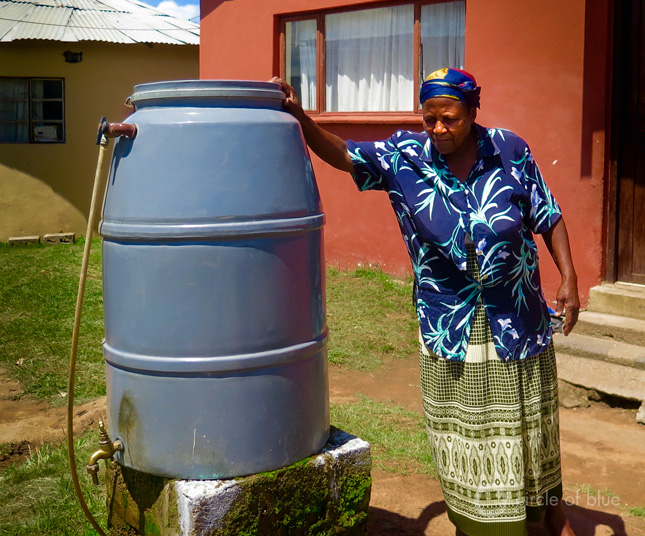
Durban’s Decentralized Water and Sanitation System Sets Global Standard
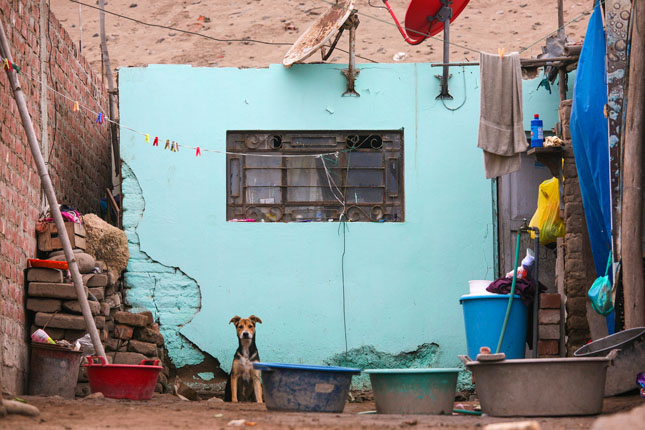
›DURBAN, South Africa — Arguably the most elegant aspect of an inelegant subject is how this city of 3.2 million residents, South Africa’s second largest, is solving monumental water and waste challenges in its jammed informal settlements.
Showing posts from category urbanization.