-
Water and Security Hotspots to Watch in 2016 [Infographic]
›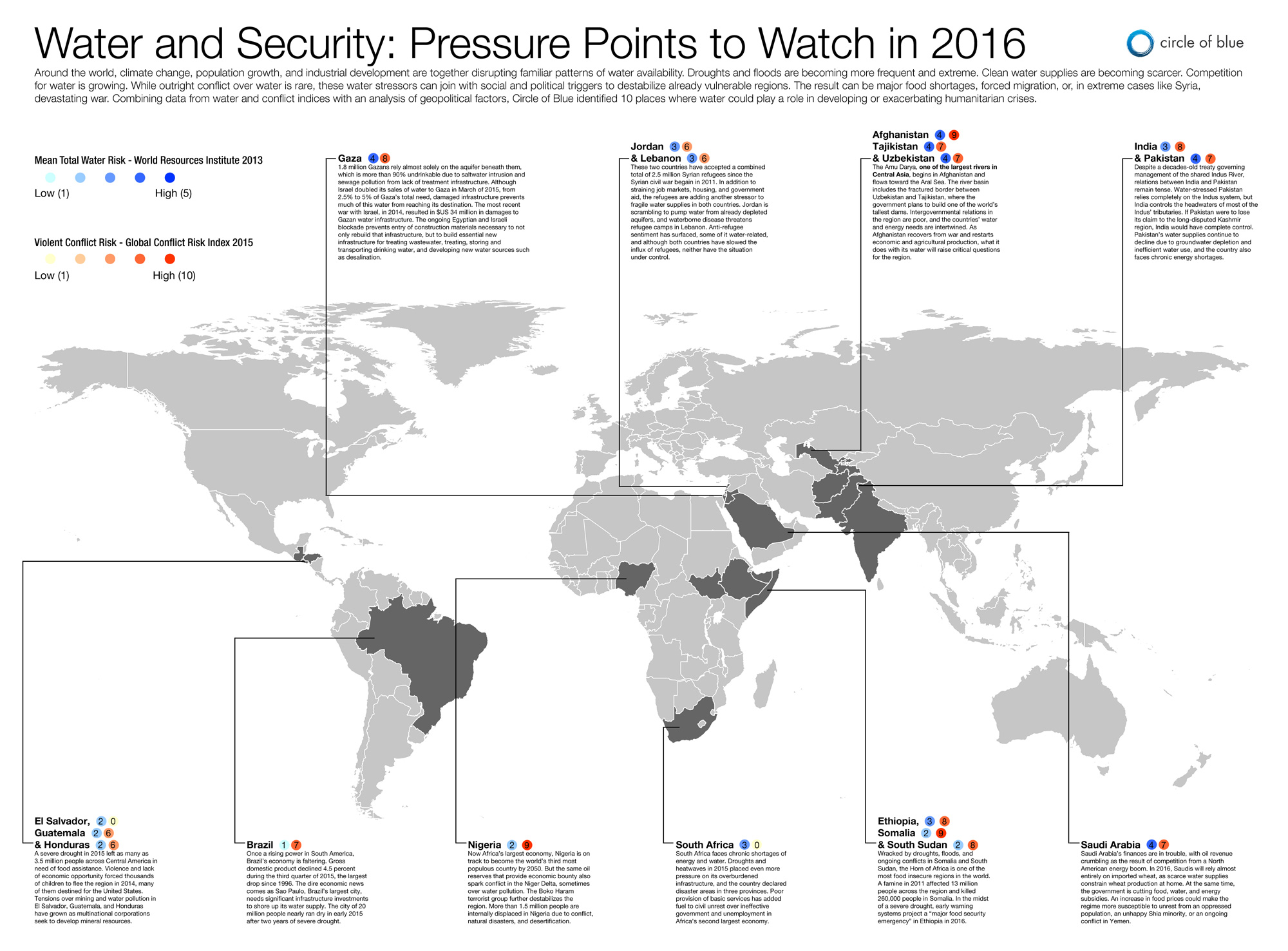
The ongoing violence in Syria exhibits the potential for water problems – a historic drought, in this case – to exacerbate existing social and political problems and contribute to humanitarian crises. In a recently released infographic, Circle of Blue combined data from the European Commission Joint Research Center’s Global Conflict Risk Index and the World Resources Institute’s Aqueduct Water Risk Atlas to identify 10 hotspots around the world where water “could play a role in developing or exacerbating humanitarian crises” in 2016.
-
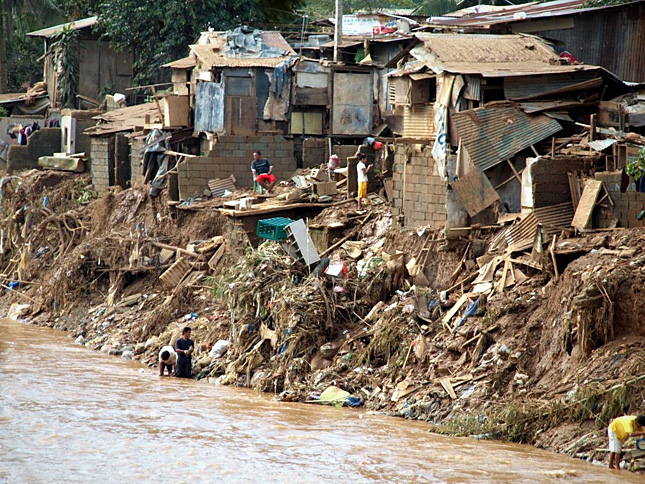
Adapting to Climate Change in Cities May Require a Major Rethink
›
Around the world, urbanization and climate change are transforming societies and environments, and the stakes could not be higher for the poor and marginalized. The 2015 UN climate conference in Paris (COP-21) highlighted the need for coordinated action to address the profound injustice of the world’s most disadvantaged people bearing the greatest costs of climate impacts. Among those at the COP were mayors from around the world advocating for the important role of cities in these efforts.
-
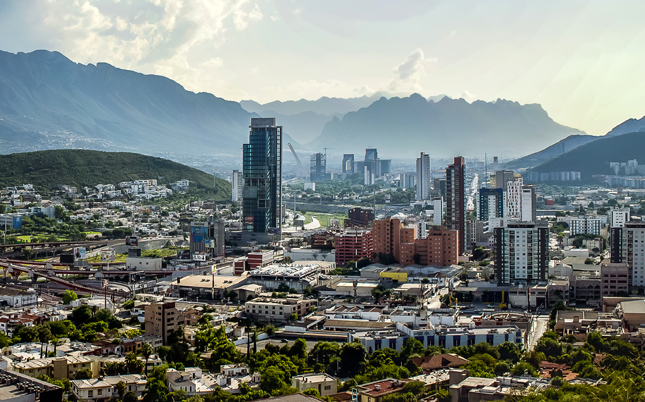
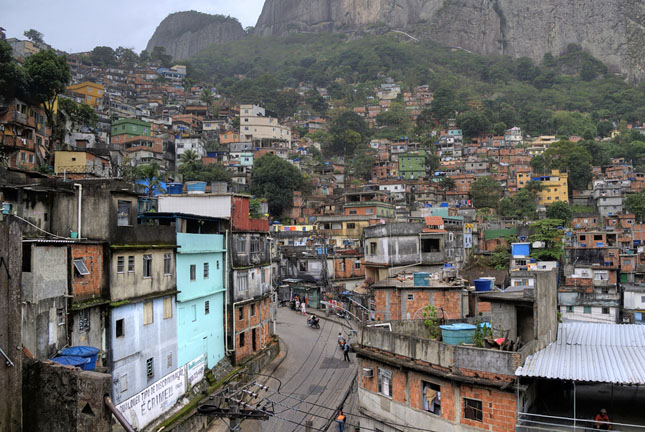
Secondary Cities: Neglected Drivers of Growing Economies [Infographic]
›While much of the attention in international development and academia has focused on mega and primary cities, rapidly growing secondary cities will play a significant role in global economic development in this, the urban millennium. [Video Below]
-
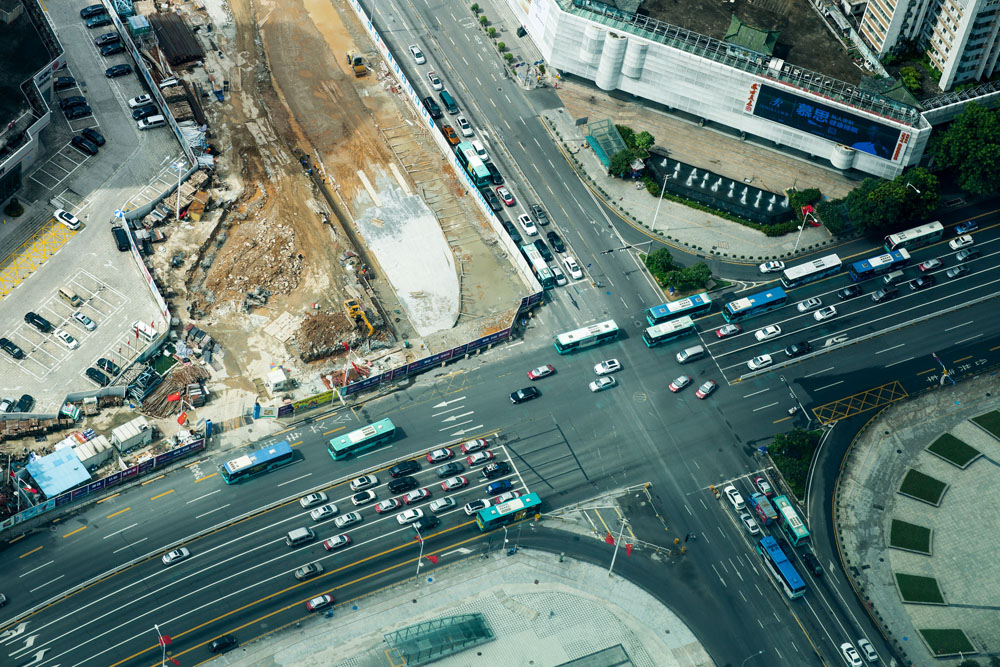
Can the “World’s Largest Urban Area” Clean Up Its Act? Shenzhen and the Pearl River Delta
›SHENZHEN, China – In 1980, the year Deng Xiaoping established Shenzhen as China’s first special economic zone, opening its mercantile sectors to market capitalism and free trade principles, an attractive, tree-shaded commercial district known as Dongmen was home to 30,000 residents near the center of a metropolitan region of 300,000.
Thirty-five years later, Dongmen is a crowded commercial neighborhood of 300,000 residents at the edge of a metropolitan region of 18 million, China’s fourth largest.
-
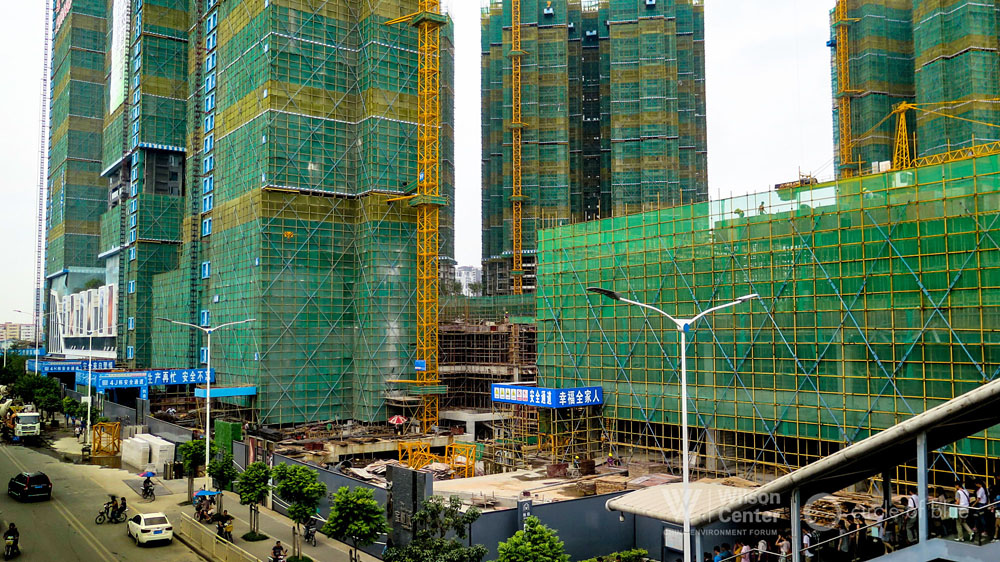
In Shenzhen, Tracking the Early Steps of China’s Carbon Pivot
›SHENZHEN, China – To some extent, the contemporary industrial age is a global narrative of substance abuse and recovery.
-
Sam Eaton, PRI’s The World
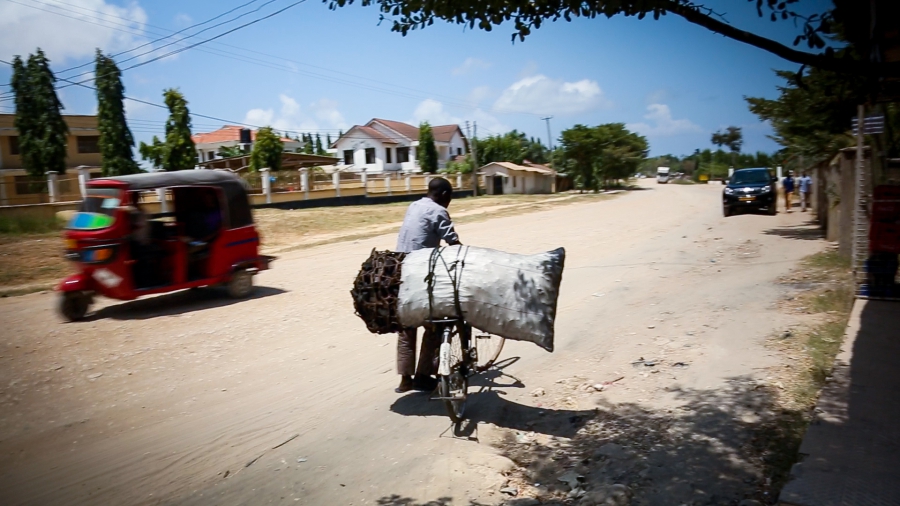
Tanzania Tries to Turn Charcoal Trade From Enemy to Friend of the Forest
›October 28, 2015 // By Wilson Center StaffRashidy Kazeuka says a forest cleared for charcoal is a silent and desolate place. No birds or other wildlife, just a barren, dried out landscape.
-
Climate Change Adaptation and Population Dynamics in Latin America and the Caribbean (Report)
›Global climate trends indicate that our planet will continue warming into the next century, leading to more extreme climate conditions. The Latin America and Caribbean region is vulnerable to some of the most challenging aspects of climate change – sea-level rise, changes in precipitation, glacial melting, spreading of disease, and extreme weather events.
-
Jim Jarvie, SciDevNet
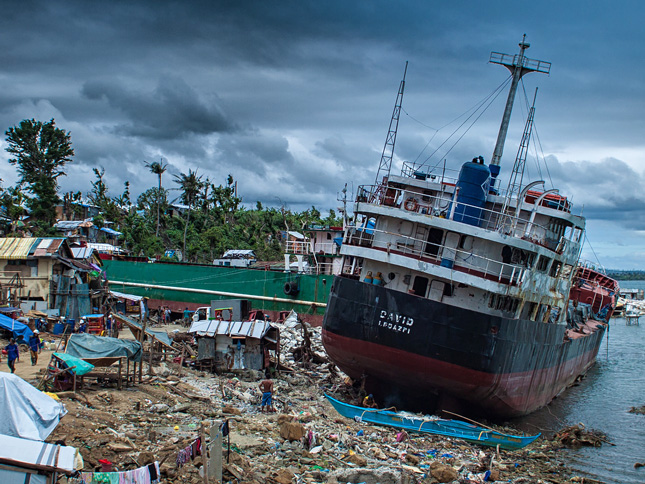
Urban Resilience to Climate Change in Asia Critical as Strong El Niño Looms
›September 7, 2015 // By Wilson Center StaffAn advisory released this August by the U.S. National Weather Service warned this year’s El Niño could be among the strongest ever recorded, lasting well into the first few months of 2016.
Showing posts from category urbanization.