-
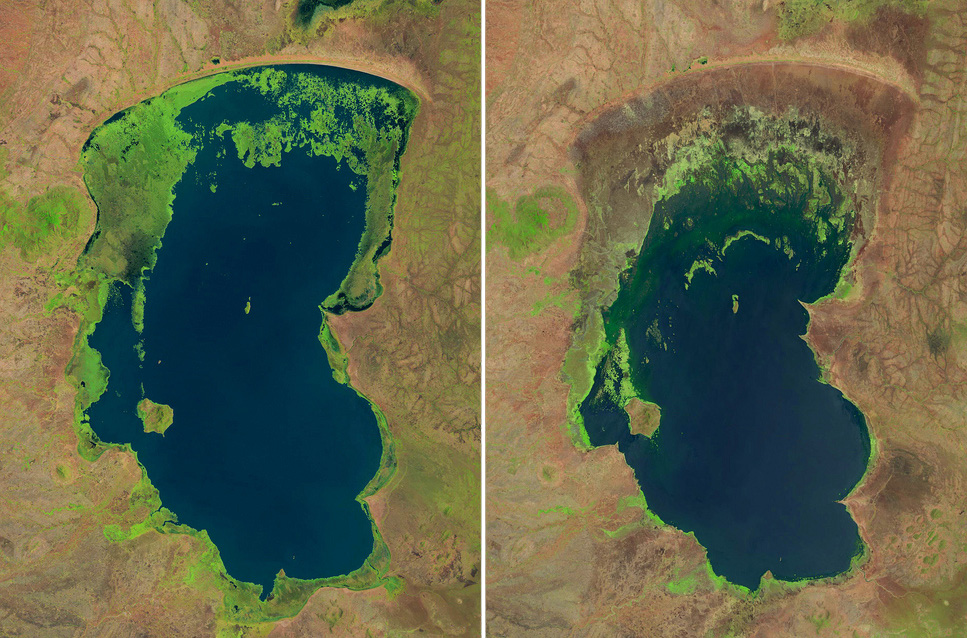
Deepa Pullanikkatil: Climate Adaptation Efforts Reveal Health-Environment Links in Malawi
›
Effective development interventions often require thinking outside the box. In southern Malawi’s Lake Chilwa basin, where environmental degradation, public health, and population dynamics intersect in unpredictable ways, people like Deepa Pullanikkatil of Leadership for Environment and Development (LEAD) are challenging conventional thinking with promising results.
-
Chris Berdnik, Pulitzer Center on Crisis Reporting
Density Breeds Scarcity on Cambodia’s Lake Tonle Sap
›March 10, 2014 // By Wilson Center Staff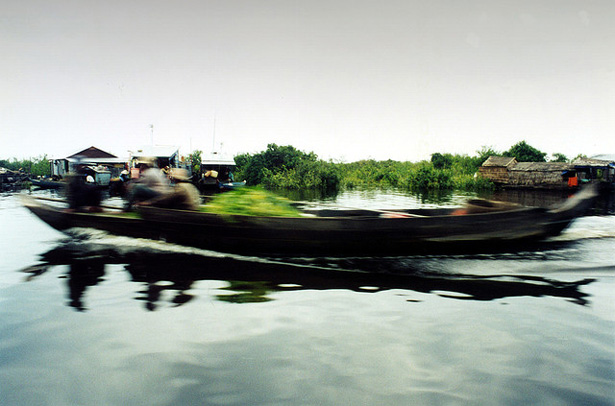
The original version of this article, by Chris Berdnik, appeared on the Pulitzer Center on Crisis Reporting.
I meet Keo Mao, 42, in the floating fishing village of Akol on Cambodia’s Lake Tonle Sap. The houses here move seasonally with the lake, which expands by a factor of five during the monsoon rains and recedes again in the dry months. Fish supply about 80 percent of the animal protein eaten by Cambodians, and about 60 percent of the inland catch comes from the Tonle Sap.
-
From Victoria to Chilwa: Integrated Development in Two African Lake Basins
›In Lake Victoria and Lake Chilwa basins, interconnected development challenges defy sectoral boundaries, said experts at the Wilson Center on February 10. According to Deepa Pullanikkatil of Leadership for Environment and Development and Doreen Othero of the Lake Victoria Basin Commission, growing populations, shrinking resource bases, and persistent human health concerns demonstrate the need for integrated development approaches that combine population, health, and environmental (PHE) interventions. “We need different sectors working together to achieve the greater goal,” said Pullanikkatil. [Video Below]
-
20 Years After Doomsday Predictions, China Is Feeding Itself, But Global Impacts Remain Unclear
›How has China managed to feed nearly one-quarter of the world’s population with only seven percent of the world’s arable land?
In 1995, Lester Brown forecasted doom and gloom for China’s ability to produce enough grain for its people, in his popular book, Who Will Feed China? He hypothesized that China would be forced to buy grain from abroad, thereby seriously disrupting world food markets.
-
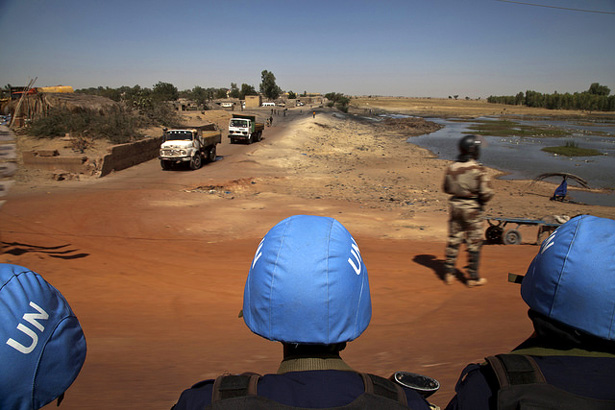
For Environmental Peacebuilding and Development Work, Collaboration Pays Dividends
›Many recurring problems in natural resource management are the result of missing a key point: ecosystems and human systems are inextricably linked and dynamic, changing constantly. We are part of a socio-ecological system, not external to it, as many previously thought. In the “age of man” – the Anthropocene, as some scientists call the current era – cross-sectoral collaboration is needed to make substantial headway in tackling complex challenges, such as natural resource-related conflict and climate change.
-
Nat Geo’s Dennis Dimick on the Food-Water-Energy Nexus, Coal, and the Year Ahead
›
How clean can coal be? What is the future of food security in water-deprived regions, and how will that affect national security? Dennis Dimick, National Geographic Magazine’s executive editor for the environment, discusses some of the most pressing global environmental problems in this week’s podcast.
-
Joshua Zaffos, Yale Environment 360
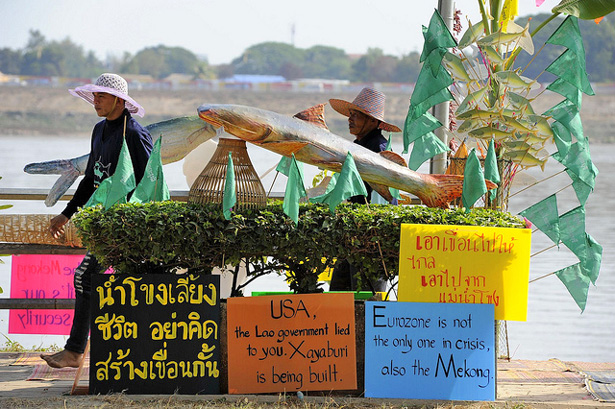
Life on Mekong Faces Threats As Major Dams Begin to Rise
›February 20, 2014 // By Wilson Center StaffIn the sleepy northern Thai border town of Huay Luk, a community leader, Pornsawan Boontun, still remembers the day when villagers netted a Mekong giant catfish more than a decade ago. The fish weighed 615 pounds, and it surprised everyone since the elusive species has never been common in this stretch of river.
-
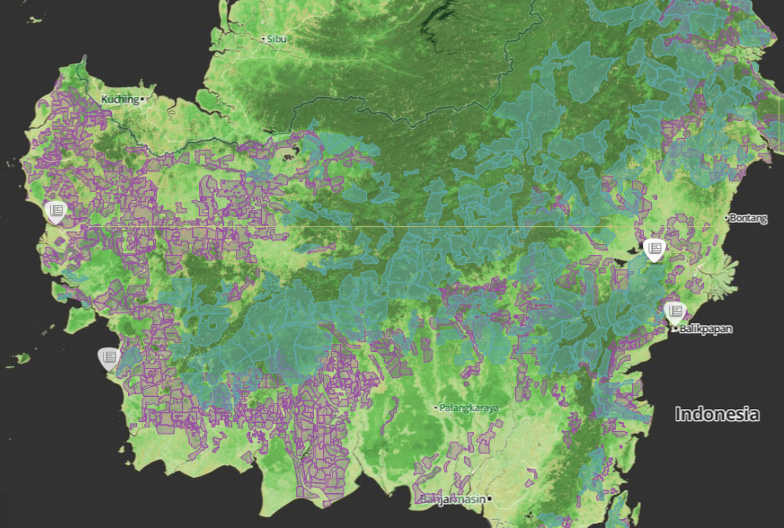
Better Mapping for Better Journalism: InfoAmazonia and the Growth of GeoJournalism
›Nearly every local story has a global context. This is especially true when it comes to the environment, and there may be no better way to show that context than through visualization. But in developing countries, where so many important changes are happening, journalists often lack the resources or skills to make data visualization a part of their repertoire.
Showing posts from category natural resources.