-
Andrew Revkin: Local Population Dynamics Crucial to Understanding Climate Vulnerability
›February 10, 2014 // By Schuyler Null“What’s become clear to me on population is that it’s really a local issue,” said Andrew Revkin in an interview at the Wilson Center. “You get the impression, ‘Oh didn’t we solve that problem?’” And to some extent, demographic shifts around the world are largely heading in the direction people anticipated, with a leveling off mid-century. But “no one really knows what happens then,” he said. “All it takes is a tiny diversion of fertility rates and things could really grow or shrink.”
-
State of the Oceans 2013: Acidification, Overfishing Major Threats to Ecosystem Health
›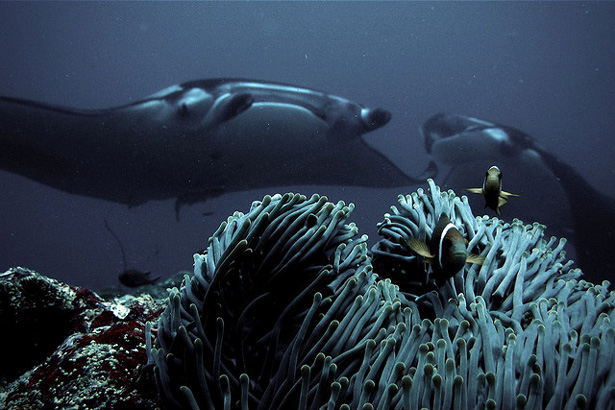
“The rate of speed of change in the global oceans are greater than [that] of any time in known history,” said Karen Sack of the Pew Charitable Trusts, speaking at the Wilson Center on November 13. She was joined by Paul Schopf, professor of oceanography and associate dean for research and computing at George Mason University, and Libby Jewett, director of the Ocean Acidification Programs at National Oceanic and Atmospheric Administration (NOAA), to discuss the latest State of the Ocean Report. [Video Below]
-
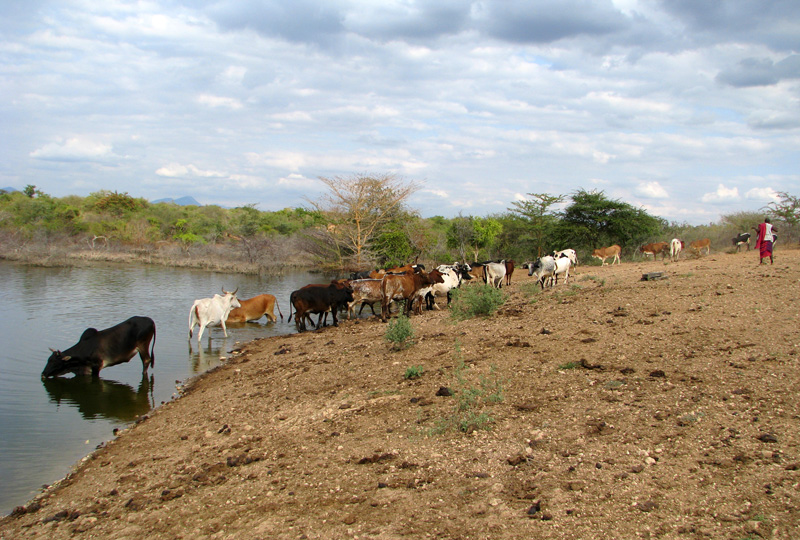
Kirya: How a Village in Tanzania Shows the Challenge of Just Climate Adaptation
›
In many parts of the world, climate change exacerbates existing inequalities – between men and women, rich and poor, landed and landless. Climate change responses, therefore, should carefully address these forms of vulnerability.
We hear this often, but in practice, it can be difficult to do.
-
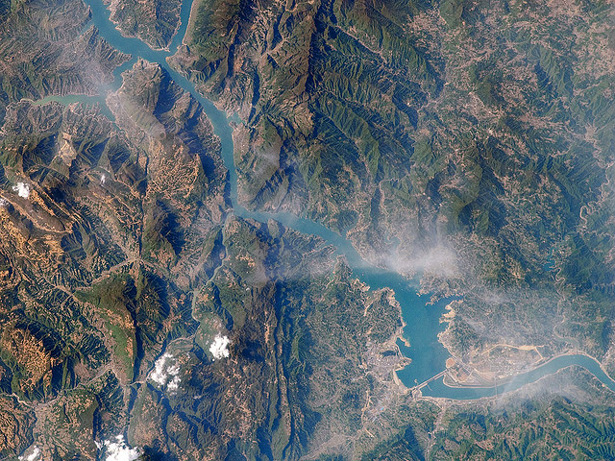
Can China Solve Its Water-Energy Choke Point? Wilson Center Launches ‘China Environment Series 12’
›Factories in China’s Pearl River Delta tick-tock around the clock, rapidly churning out gadgets from iPhones and Barbie dolls to forks and light bulbs, shipped off to village shops in Uganda and super Walmarts in America’s sprawling suburbs. But far from the global consumer’s view, manufacturing and rapid development are placing unrelenting pressure on China’s environment.
-
“What I See Is That Women Are Healthier…Children Are Healthier”: Vik Mohan on Blue Ventures’ Work in Madagascar
›Six years after beginning a marine conservation program focused on octopus fishery management in southwest Madagascar, “we can proudly say that we have made a real impact as an organization providing health care,” said Dr. Vik Mohan, medical director of Blue Ventures and a practicing doctor in the United Kingdom.
-
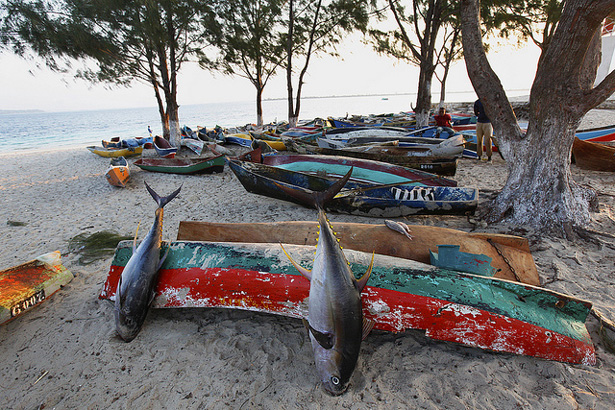
Natural Gas and Albacore: What Tuna Says About the Future of Mozambique
›January 13, 2014 // By Laura HensonA 20-year peace accord between Mozambique’s two major political parties was brought to an abrupt end last fall. A series of violent skirmishes between FRELIMO and RENAMO resulted in at least 10 deaths, dozens injured, and fears that the country might relapse into the kind of political violence seen during its civil war, which left more than a million dead. RENAMO claims its frustrations stem from a fraudulent electoral system and social inequality, but some observers have suggested their motivations may be less benevolent: making sure they get their piece of the country’s newfound natural gas wealth.
-
Our Last Best Hope? Family Planning and Women’s Empowerment
›January 7, 2014 // By Laurie MazurThe original version of this article appeared on the Aspen Institute blog.
When journalist Alan Weisman proposed a new book on the challenges posed by human population growth, his editor said, “That one’s a live wire; don’t touch it.”
-
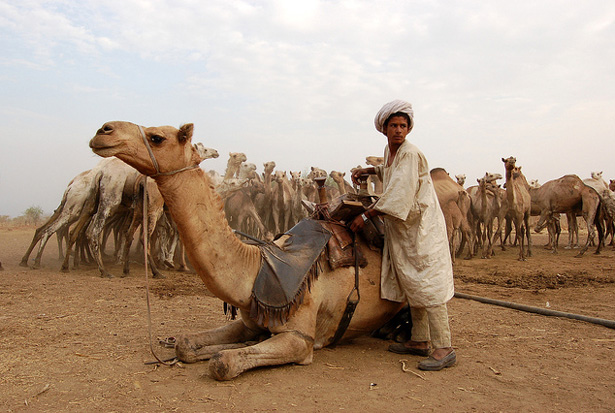
New Sudan Study Has Researchers Re-Thinking Risks and Resilience of Pastoralism
›Sudan’s pastoralists gained infamy during the conflict in Darfur last decade, when outsiders described the violence as a result of competition between climate-stressed, semi-nomadic herders and sedentary farmers. But Sudan’s pastoralists may not be as fragile as previously thought and could even hold the key to survival for similar groups in Africa, said a panel of experts at the Wilson Center on November 13. [Video Below]
Showing posts from category natural resources.