-
New Global Analysis Finds Water-Related Terrorism Is On the Rise
›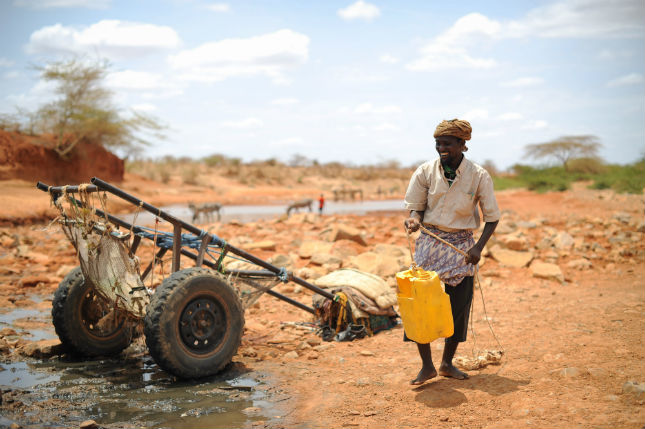
In 2014, after losing a number of Somalian cities it had captured to African Union and Somali troops, the terrorist group Al-Shabaab changed its tactics. To demonstrate its continued power and presence, Al-Shabaab cut off water supplies to its formerly held cities. Residents from these cut-off cities were forced to fetch water from nearby towns, many of which Al-Shabaab controlled. But the terror group prevented anyone living in government-controlled territory from entering, which increased people’s frustration with the government.
-
The Blockchain Revolution: Q&A with Kaikai Yang
›
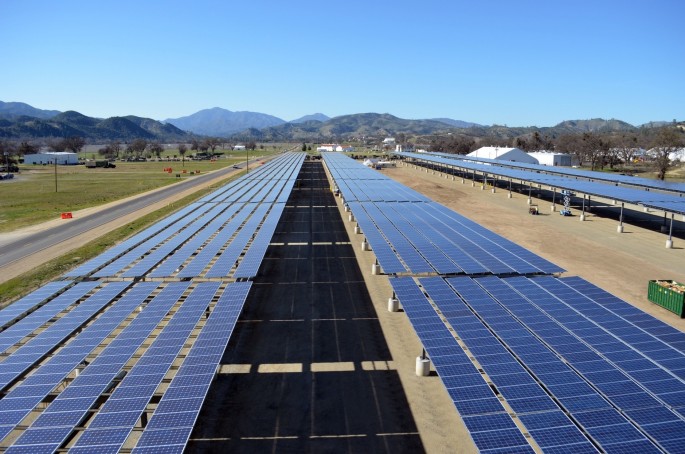
Blockchain, the newest technology poised to revolutionize numerous industries, could help decentralize electricity systems across Asia, Europe, Australia and the United States. In Brooklyn, peer-to-peer microgrids allow prosumers—energy consumers who generate small amounts of electricity from renewable sources—to trade energy with other users. Blockchain technology provides distributed ledgers that validate, record, and share each transaction, using smart contracts that automatically execute energy trades when the price and volume of the electricity transaction meet the contracted requirements.
-
Mining Transparency in Myanmar: Can the Extractive Industries Transparency Initiative Lead to a More Sustainable Democracy?
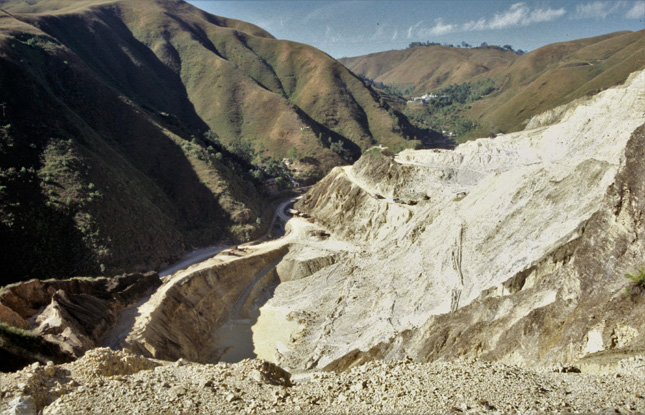
›Myanmar is rich in natural resources—gas, oil, minerals, and gemstones—yet is still one of the world’s least developed countries. Extractive industries are the country’s most lucrative sector and the government’s main source of revenue, but most of the benefits do not reach its citizens. Instead, resource extraction in Myanmar causes severe environmental and social problems and fuels and sustains some of the country’s longstanding ethnic conflicts.
-
Every Day is Earth Day: Plastic Waste Q&A with Mao Da
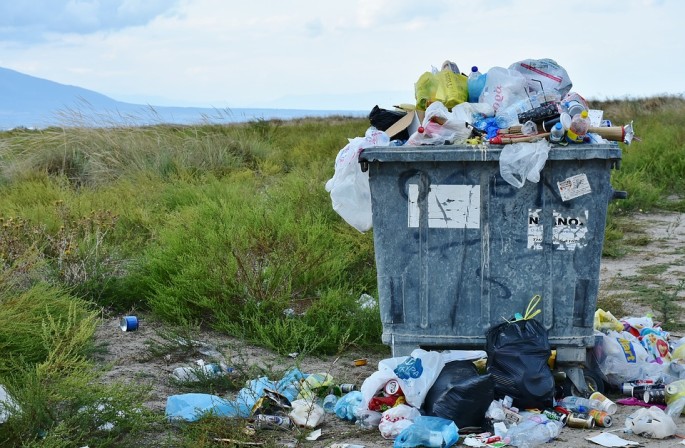
›Plastics. From the devastating effects of plastic pollution on our oceans, to the news that plastic bottles likely pollute the drinking water they contain, plastic pollution—the theme of this year’s Earth Day—has been a highly visible issue, and we’ve seen some notable progress on fighting the plastic battle.
-
Beyond Violence: Drought and Migration in Central America’s Northern Triangle
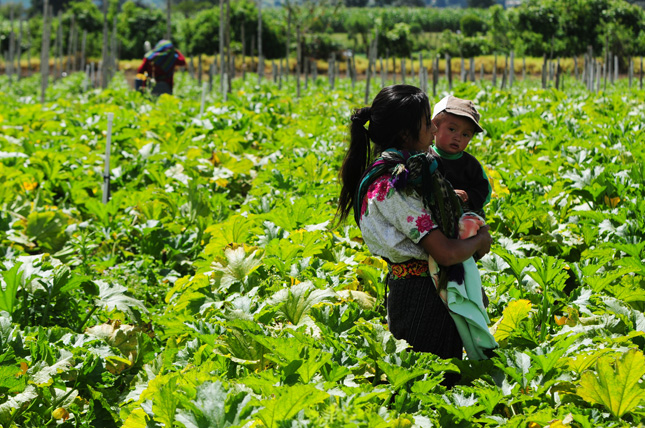
›Starting in 2014, the number of migrants from Central America’s Northern Triangle—Guatemala, El Salvador, and Honduras—surged, with border apprehensions increasing fivefold from 2010-2015. While apprehensions have declined from their peak, emigration from these countries has not necessarily slowed, and the conditions the migrants are seeking to escape have not changed. Experts blame the region’s widespread criminal violence for spurring migration. But the Northern Triangle countries also share similar ecology, staple crops, and vulnerability to climate events. While environmental and natural resource factors are just part of the complex picture, understanding how they intersect with other migration drivers is key to creating and implementing effective policy responses.
-
Go Tell the Crocodiles: Chasing Prosperity in Mozambique
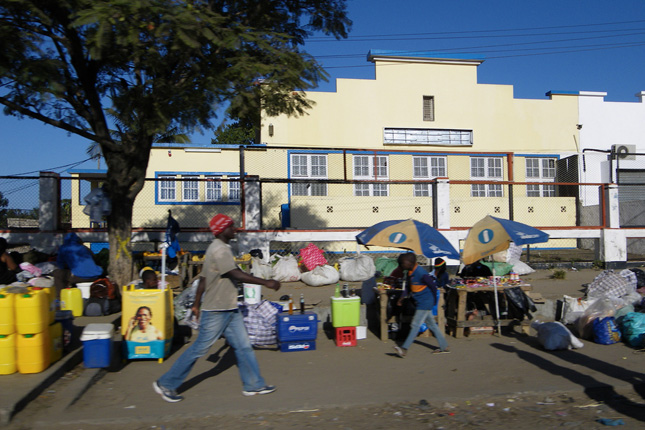
›Just outside Nampula, in northern Mozambique, a huge granite dome overlooks the city, 500 feet high and a half-mile across. All along its southern flank, hundreds of men work in small groups, whittling away at the rock face with sledgehammers and picks. Smoke rises before dawn until well after dusk, as they stoke fires to heat the granite and use crowbars to prize free tombstone-sized slabs. Day by day, the mountain is carted away by the wheelbarrow-full. It’s backbreaking work that yields barely enough to live. Yet these informal quarries are nevertheless among the region’s largest employers. Certainly, more people have found work here than with Kenmare Resources, the Irish company that has sunk more than US$1 billion into mining titanium deposits along the nearby coast.
-
Climate Change and Conflict: New Research for Defense, Diplomacy, and Development
›“Climate is unquestionably linked to armed conflict,” said Halvard Buhaug, a professor at the Peace Research Institute Oslo and the Norwegian University of Science and Technology, at a recent Wilson Center event marking the end of the three-year Climate Anomalies and Violent Environments (CAVE) research project. But, he stresses that under a changing climate, exactly how and through what pathways is still a subject of much debate in the academic community.
-
The Next “Day Zero”: Water Scarcity and Political Instability Beyond Cape Town
›Cape Town is running dry. But thanks to its sophisticated water management efforts, the city may ride out the crisis. However, other cities that lack these capacities are less likely to survive Day Zero. Especially in developing countries, where urban water services are often provided by informal or illegal actors, running out of water could have dangerous ripple effects for peace and security.
Showing posts from category natural resources.