-
The Crushing Environmental Impact of China’s Cement Industry
›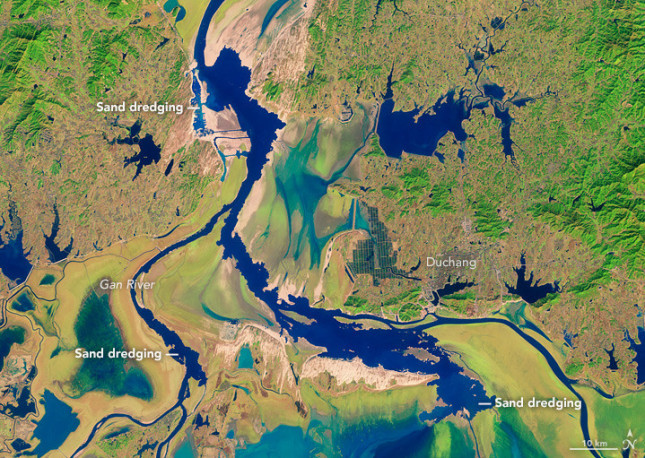
China—the world’s fastest-growing economy with the largest population—leads the world in cement production, the critical ingredient that has built China’s mammoth cities, sprawling roads, and other infrastructure. China pours 60 percent of the world’s cement; the country’s production in 2011-2013 surpassed U.S. production for the entire 20th century. While it paved the way for Chinese growth, it came at a dangerous cost: 1.6 million Chinese citizens die each year from respiratory illnesses linked to small particulate matter emissions, of which 27 percent come from cement production.
-
As Andean Glaciers Retreat, So Does Regional Security
›
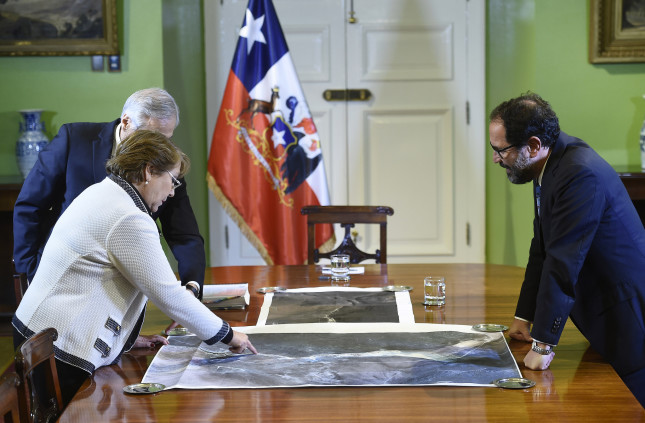
Last month, Bolivia filed a counterclaim against Chile in the International Court of Justice—the latest salvo in their battle over rights to the waters of the Silala River. The court will decide whether Silala is “an international watercourse”—thus granting water rights to Chilean mining operations—or simply an artificial diversion of Bolivian spring water by Chile. This legal case marks the latest chapter in Bolivia and Chile’s historically delicate relationship, which dates back to the War of the Pacific in the late 19th century.
-
Water and Governance: Changing Water Laws in a Changing Climate
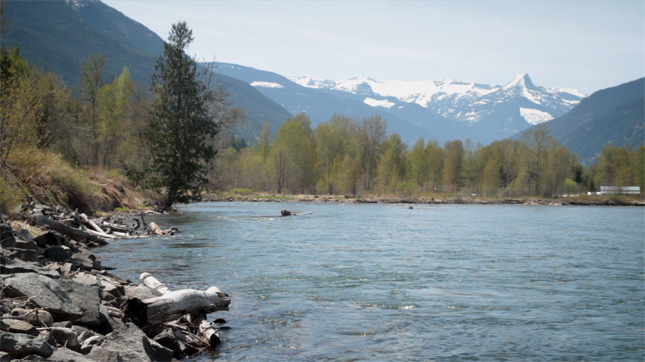
›The Columbia River basin—which spans four U.S. states, two Canadian provinces, and 32 Tribal Nations or First Nations—touches the lives of more than five million people each day. The basin’s 250 hydroelectric dams power everything from Google’s data center to irrigation pumps that spread water onto fields of alfalfa and potatoes. Steelhead trout and salmon rely on the river to spawn. Ships and tugboats transport millions of tons of cargo to and from the Pacific Ocean.
-
Granting Rivers Legal Rights: Is International Law Ready for Rights-Centered Environmental Protection?
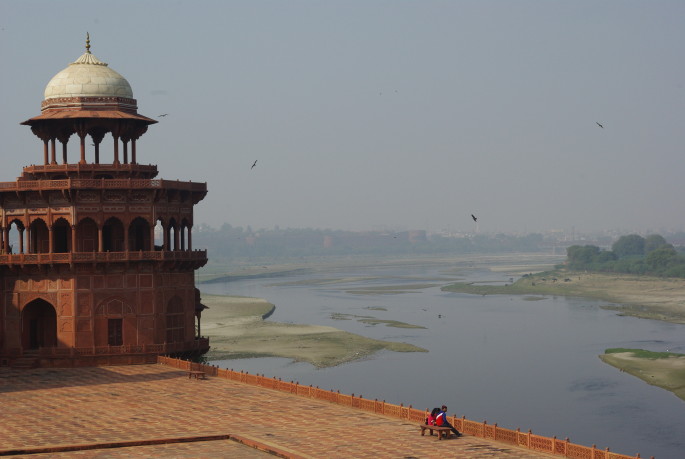
›Last year, four rivers were granted legal rights: the Whanganui in New Zealand, Rio Atrato in Colombia, and the Ganga and Yamuna rivers in India. These four cases present powerful examples of the increasing relevance of rights-centered environmental protection. Like corporations, which have legal rights in many jurisdictions, these rivers are rights-bearing entities whose rights can be enforced by local communities and individuals in court. But unlike corporations, these rights are not yet recognized in international treaties. Which raises the question: what are the implications of rights for nature for international environmental law?
-
Limited Water for Unlimited Development: Q&A With Shaofeng Jia
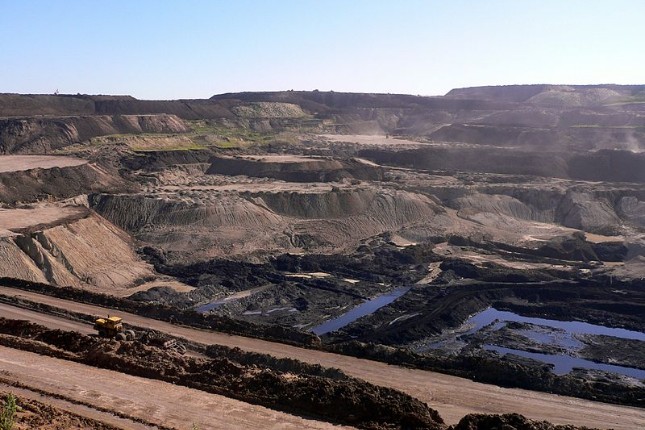
›A quarter of the coal that powers China’s economy is mined in Inner Mongolia, one of the country’s most water-scarce provinces with only slightly under two percent of China’s total water resources. The coal-rich city of Ordos, which produces nearly 70 percent of all the coal in Inner Mongolia, is bookended by expanding deserts—Kubuqi to the north and Maowushu to the south—and may one day run out of water and face a “Day Zero” like Cape Town in South Africa. Both the central and local governments are promoting a number of efforts to create new water supplies in Ordos, such as treating brackish waters and trading water rights. To learn more, the China Energy & Environment Forum recently interviewed Shaofeng Jia, the Deputy Director of Water Resources Research Center at the Chinese Academy of Sciences, who recently completed an extensive study on water-energy confrontations in Inner Mongolia.
-
Sustainable Water, Resilient Communities: The Challenge of Erratic Water
›From the Wilson Center // Water Security for a Resilient World // June 7, 2018 // By Rebecca LorenzenWater variability is increasing “due to climate change and to more frequent natural disasters,” said Jonathan Cook, Senior Climate Change Adaptation Specialist with the U.S. Agency for International Development, at the fourth and final event in a series on water security organized by the Wilson Center and the Sustainable Water Partnership. To solve the problem of increasingly erratic water, “business as usual is really not acceptable anymore,” said Will Sarni, founder of WetDATA.org, who called for new, innovative ideas: “Hope is not a strategy.”
-
A Watershed Moment for Iraqi Kurdistan: Subnational Hydropolitics and Regional Stability
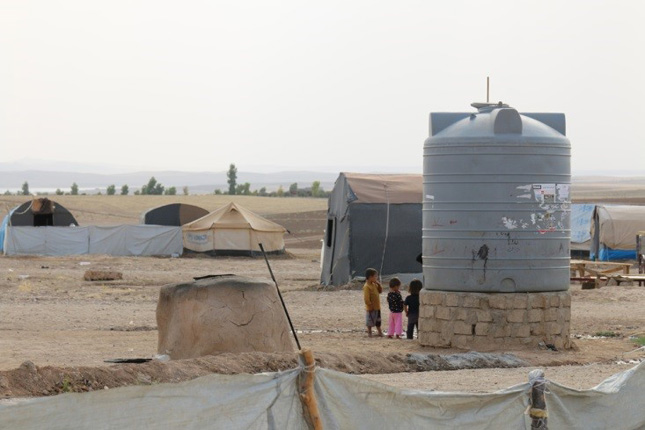
›Iraqi Kurdistan is blessed with abundant water resources, but these resources are under increasing stress. Changing demographics, dam building in neighboring countries, and drought have driven Kurdish hydropolitics to a critical juncture where two distinct water futures are possible—and both have implications for regional stability and for U.S. interests.
-
China’s Ready to Cash In on a Melting Arctic
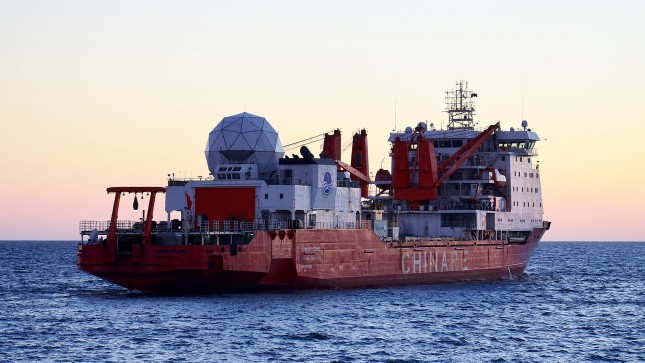
›Put simply, “the damn thing melted,” Navy Secretary Richard Spencer explained in recent testimony, referring to Arctic ice melt as the trigger for the new U.S. Navy Arctic Strategy that is to be released this summer. What the Navy planned as a 16-year road map is in need of updates after only four years, in part due to receding polar ice caps, which are “opening new trade routes, exposing new resources, and redrawing continental maps,” but also in part due to the rise of China as an “Arctic stakeholder” and increasing important player in the region.
Showing posts from category natural resources.