-
Roger-Mark De Souza on the Paris Climate Agreement, With or Without the U.S.
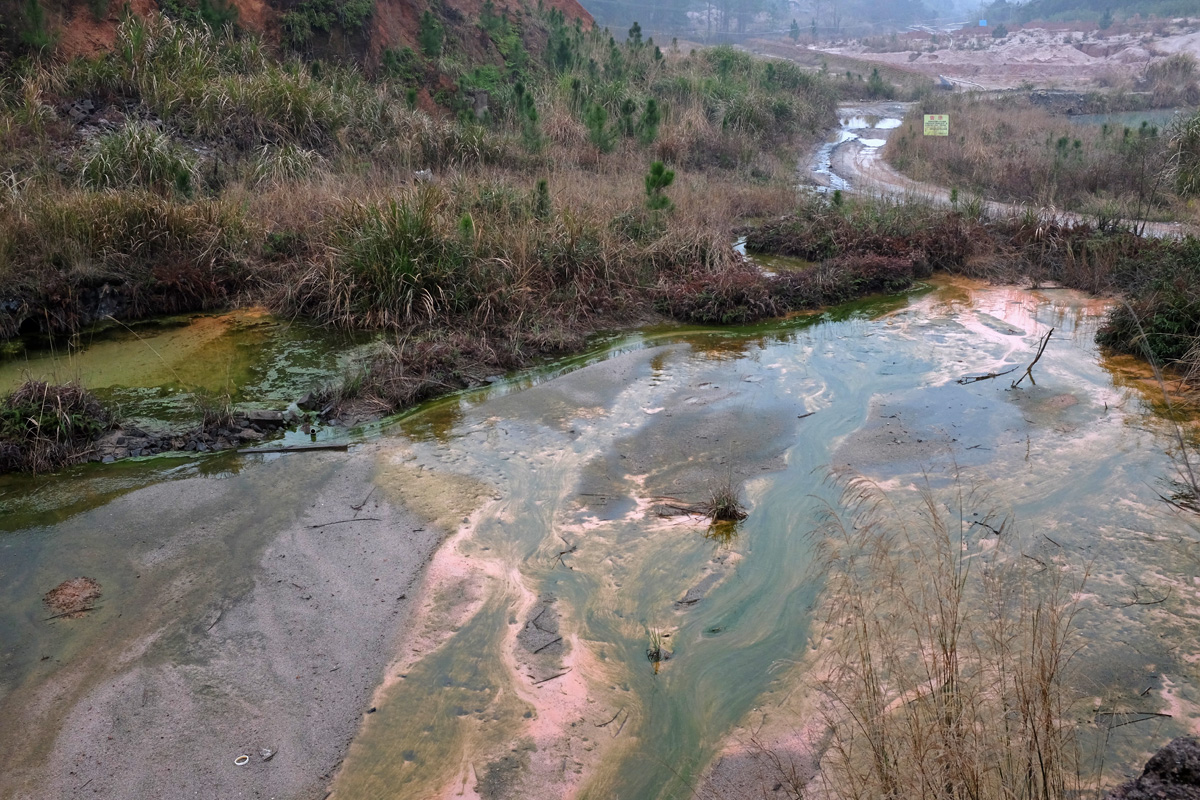
›“A lack of U.S. government support for the Paris climate agreement will mean that the United States will further isolate itself from international collaboration and cooperation on multiple fronts. It will affect U.S. security, the provision of jobs; U.S. business operations, and U.S. diplomatic efforts. The agreement, because it has a broad basis of support, will continue with or without the United States.”
-
Wilson Center’s Lisa Palmer Launches ‘Hot, Hungry Planet’
›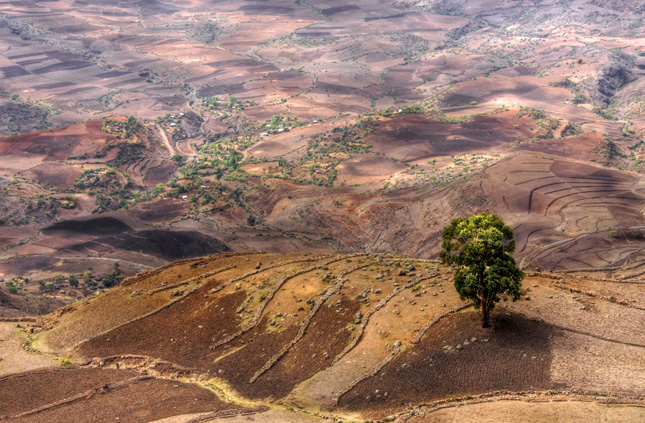
A steadily increasing global population, growing food demand, and changing climate necessitate new kinds of thinking in agriculture but also fields like public health and energy, concludes a new book, Hot, Hungry Planet, by former Wilson Center Public Policy Scholar and current Senior Fellow at the National Socio-Environmental Synthesis Center Lisa Palmer.
-
Risk, But Also Opportunity in Climate Fragility and Terror Link
›
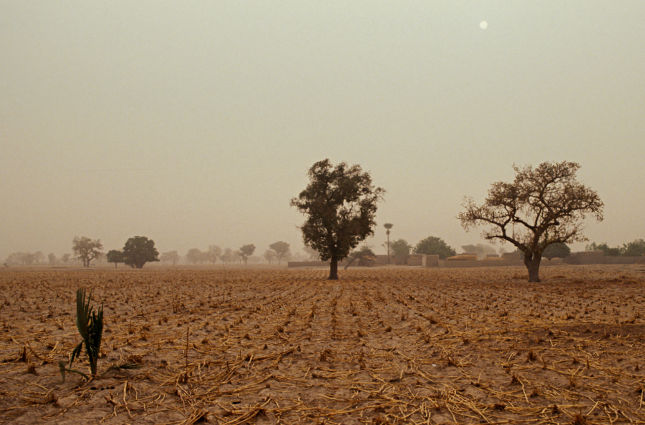
In a recent article for New Security Beat, Colin Walch made the case that the abandonment of some communities in Mali to deal with climate change on their own has created “fertile ground” for jihadist recruitment. In a similar argument, Katharina Nett and Lukas Rüttinger in a report for adelphi asserted last month that “large-scale environmental and climatic change contributes to creating an environment in which [non-state armed groups] can thrive and opens spaces that facilitate the pursuit of their strategies.”
-
Consensus, Certainty, and Catastrophe: The Debate Over Ocean Iron Fertilization
›Almost three decades ago, at a conference at the Woods Hole Institute, oceanographer John Martin said with “a half a tanker of iron…I will give you the next ice age.”
-
Backdraft #7: Janani Vivekananda on What Renewable Energy Projects Can Learn From Oil, and Future-Proofing Humanitarian Responses
›As more and more development and humanitarian programs contend with climate-related problems, there are important lessons learned from past experience that should not be forgotten, says Janani Vivekananda, formerly of International Alert and now with adelphi, in this week’s episode of “Backdraft.” -
Chased by Drought, Rising Costs, and Clean Technology, India Pivots on Coal
›VILAMBUR, India – The mammoth coal-fired Cheyyur electrical station was first imagined by bankers at India’s Power Finance Corporation and senior engineers across town at the Central Electric Authority. That was in 2005, when the country was rich in fossil fuel resources and desperate for electric power. Though India mined more coal than almost any other country, endemic blackouts and brownouts enfeebled its economic prospects.
-
Backdraft #6: Jesse Ribot on Why It’s So Important for Climate Interventions to Work Through Local Democracy
›In a research project spanning more than two dozen case studies on environmental governance in 13 sub-Saharan African countries, Jesse Ribot, professor at the University of Illinois, and colleagues found that while many forest management projects claimed to be working with communities, they were in fact undermining local democracy in various ways. -
As China Adjusts for “True Cost” of Rare Earths, What Does It Mean for Decarbonization?
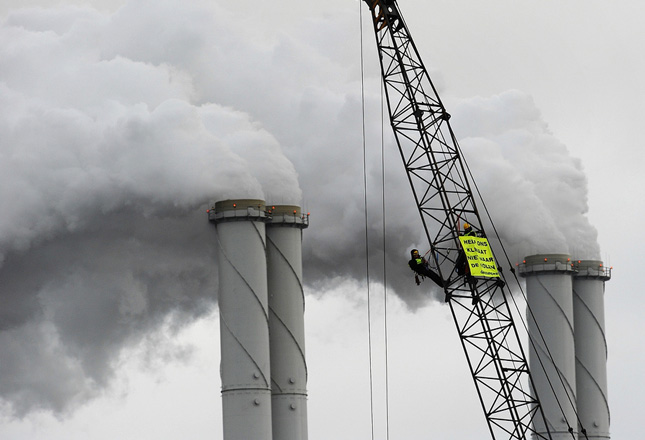
›Known as the “vitamins of industry,” rare earths refer to a cluster of minerals widely used in green technologies such as wind turbines, rechargeable batteries, and electric vehicles. Rare earth elements embedded in these products keep them light, efficient, and affordable. They’re essential to the decarbonization of the global economy envisioned in the Paris Climate Agreement, agreed to by 192 countries in 2015. And we may soon face a significant shortage, due in no small part to changes in China.
Showing posts from category mitigation.
 As more and more development and humanitarian programs contend with climate-related problems, there are important lessons learned from past experience that should not be forgotten, says Janani Vivekananda, formerly of International Alert and now with adelphi, in this week’s episode of “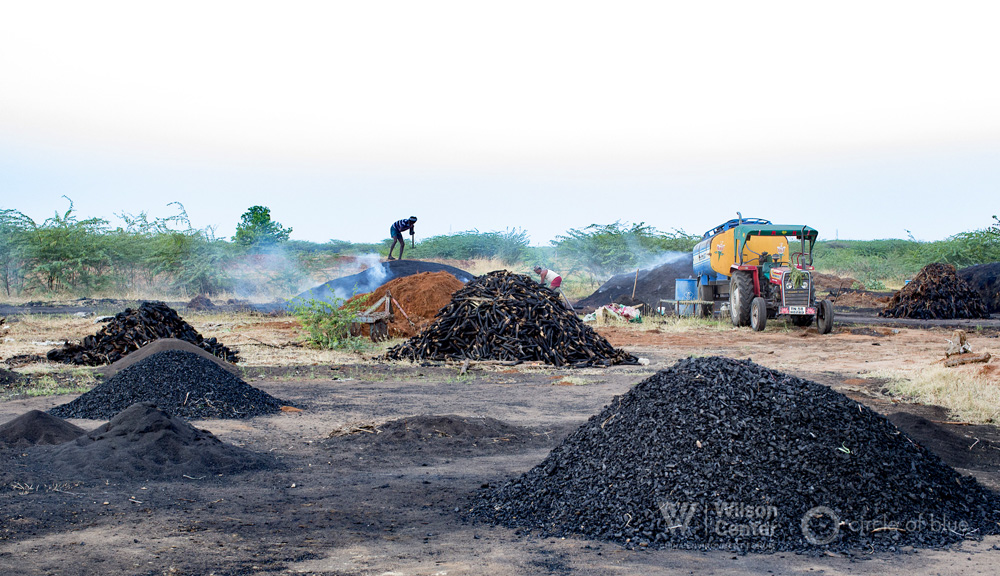
 In a
In a