-
Safe Passage: China Takes Steps to Protect Shorebirds Migrating From Australia to the Arctic
›Every year, millions of shorebirds migrate to the Arctic to breed—some coming from as far away as Australia and New Zealand—and then head back again. Nearly all of the birds making this journey spend time in the food-rich intertidal mudflats of the Yellow Sea ecoregion, on the east coast of China and the west coasts of the Korean peninsula. But as China’s economy has grown, around 70 percent of the intertidal mudflats in the Yellow Sea area have disappeared—the land drained and “reclaimed” for development. All of the more than 30 species of shorebirds that rely on the mudflats are declining, and those that stop there twice a year are declining at a faster rate than those that stop only once. If the current trajectory continues, the Yellow Sea—once known as the cradle of China—will become the epicenter of extinction.
-
To Fight Climate Change, Educate and Empower Girls
›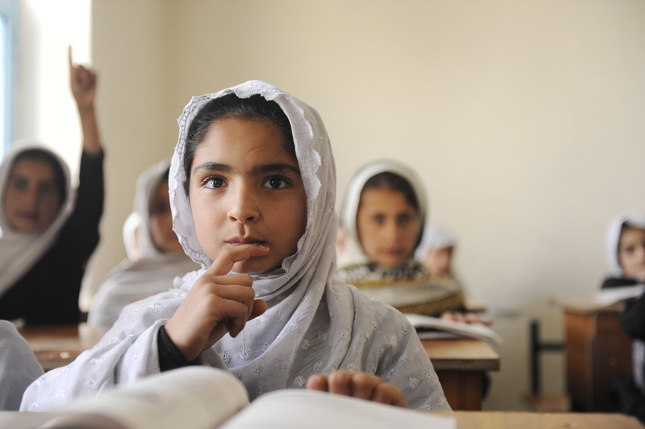
Girls and women bear the brunt of climate change impacts. Natural disasters kill more women than men: an estimated 90 percent of those killed in some weather-related disasters were female. The effects of climate change on natural resources can also further exacerbate existing gender inequalities. Girls may be kept out of school to fetch water, as droughts drive them to walk farther and farther to find it. Seeking to stretch scarce household resources, families may marry off their daughters before the legal age and they may become more vulnerable to human trafficking after natural disasters.
-
Backdraft #8: Simon Nicholson on Climate Engineering
› When the Paris Agreement set an ambitious goal of limiting the global temperature rise to 1.5 degrees Celsius above pre-industrial levels, the negotiators put climate engineering on the table, says Simon Nicholson, professor at American University, in this week’s episode of Backdraft. Once the purview of science fiction, a majority of the models run by the Intergovernmental Panel on Climate Change (IPCC) required large-scale use of climate engineering technologies to keep additional warming below 2 degrees.
 -
Fire & Ice: Unlikely Cooperation Between Iceland and China
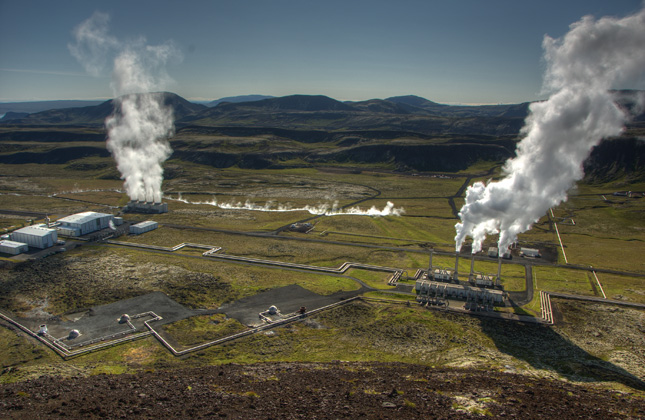
›“All of Reykjavik might be able to fit in that apartment block,” remarks Einar Magnusson, the vice president of business development for Iceland-based Arctic Green Energy Corporation (AGEC), as he drives past miles and miles of Beijing’s residential skyscrapers. Following Jiang Zemin’s visit to Iceland in 2002 – the first-ever by a Chinese President – the two nations opened a new chapter in their partnership, which was originally founded upon shared strategic interests. China’s interest in cleaner energy sources has led to a fruitful area of cooperation with Iceland, where geothermal plants generate 66 percent of the country’s primary energy and provide nine in ten households with heat.
-
Ceding U.S. Leadership in Advanced Energy Is a National Security Risk, Says Military Advisory Board
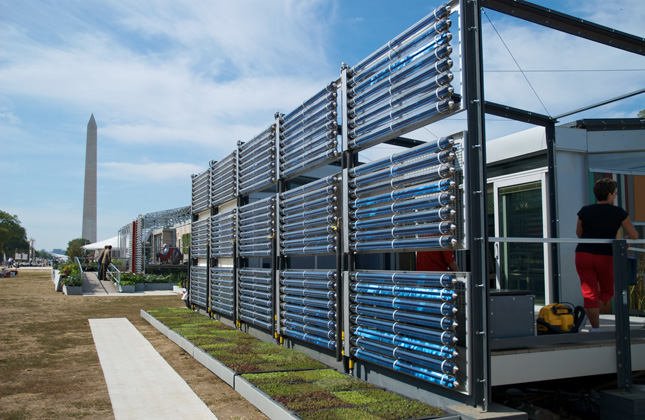
›June 28, 2017 // By Anuj Krishnamurthy“As new energy options emerge to meet global demand, nations that lead stand to gain; should the U.S. sit on the sidelines, it does so at considerable risk to our national security,” advises the latest report from CNA’s Military Advisory Board (MAB), a group of retired generals and admirals.
-
Tamil Nadu Leads India’s Historic Turn to the Sun and Wind
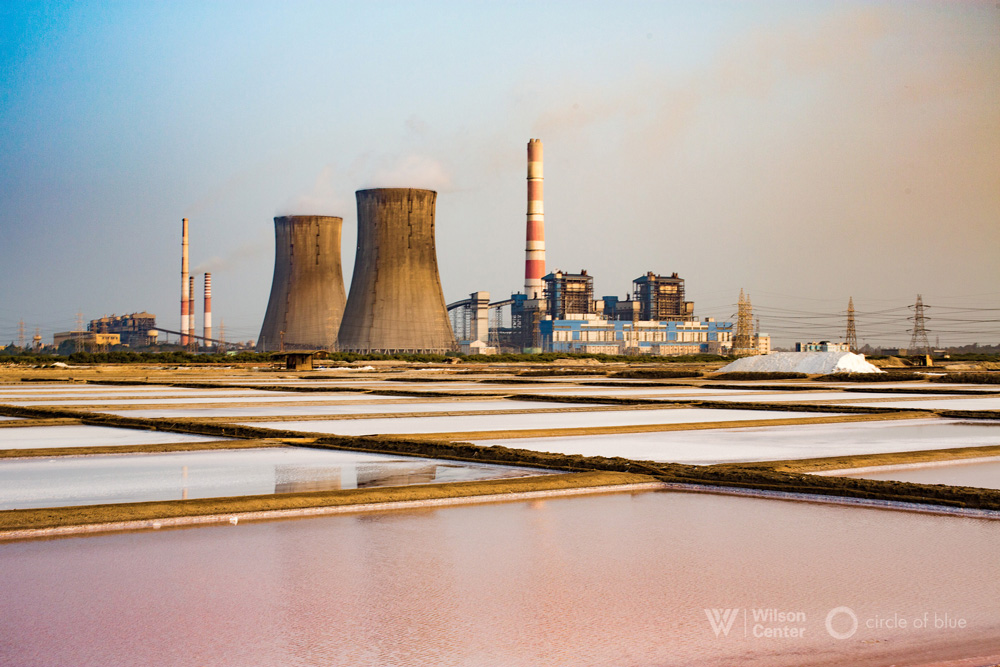
›MADURAI, India – Before he agreed to serve as minister of state and take command of his country’s mammoth energy production and distribution sector, Piyush Goyal developed one of India’s most spirited political careers. “A man of ideas and competence,” according to First Post, a prominent news organization, Goyal is an accountant and lawyer who rose to the peak of Indian economic and political culture as an investment banker, member of parliament, and treasurer of the ruling Bharatiya Janata Party.
-
Social Justice or Forest Conservation? Cross-Regional Comparisons Reveal a False Trade-Off
›The present understanding of the relationship between environmental conservation and social justice, two of the greatest challenges of our times, is fraught with multiple confusions, especially in the context of developing countries.
-
ND-GAIN Updates Climate Adaptation Index: Good News for Myanmar, Bad News for Brazil
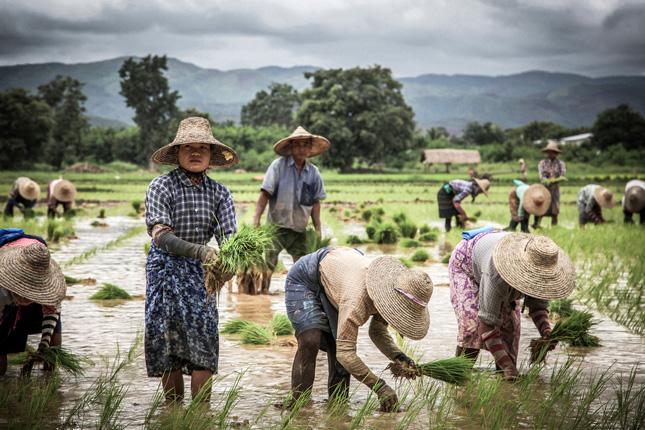
›As climate change leads to more weather variability and natural disasters, the need for adaptation is more urgent than ever. The Notre Dame Global Adaptation Initiative (ND-GAIN) aims to enhance understanding of adaptation and inform the public and private sectors on actions and investments.
Showing posts from category mitigation.
 When the Paris Agreement set an ambitious goal of limiting the global temperature rise to 1.5 degrees Celsius above pre-industrial levels, the negotiators put climate engineering on the table, says Simon Nicholson, professor at American University, in this week’s episode of Backdraft. Once the purview of science fiction, a majority of the models run by the Intergovernmental Panel on Climate Change (IPCC) required large-scale use of climate engineering technologies to keep additional warming below 2 degrees.