-
The Quad Should Help India Address Its Most Pressing Security Challenge: Climate Change
›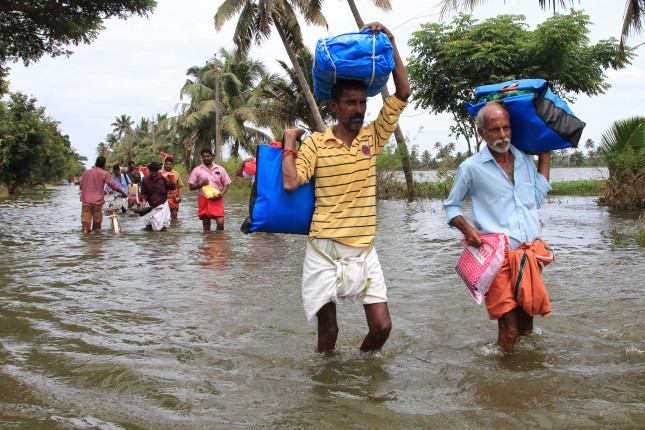
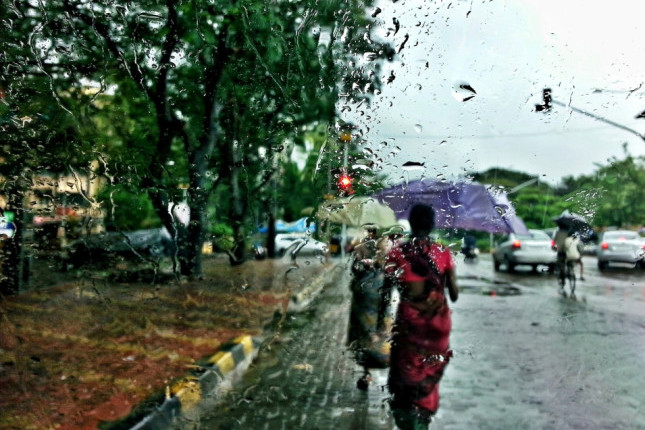
Headlines about India’s pressing security challenges often focus on tensions with Pakistan, border friction with China, and internal interethnic violence. However, the threat of climate change is in fact the paramount security threat to India in the coming decades.
-
China’s National Emissions Trading Scheme is Just One Piece of the Mitigation Puzzle
›
On July 16, 2021, after nearly two decades of research and preparation, China finally opened what is now the world’s largest national emissions trading scheme (ETS). The much anticipated move follows the central government’s ambitious pledge to reach peak CO2 emissions before 2030 and achieve carbon neutrality before 2060. Several Chinese cities and provinces, including Shanghai, have been operating ETS pilots for several years. For Shanghai, the rollout of China’s national ETS bolsters its existing carbon marketplace and complements the multitude of other local and national decarbonization initiatives the city is undertaking. The national scheme is an encouraging step in China’s climate action, but on its own it is not a silver bullet to decarbonize the economy.
-
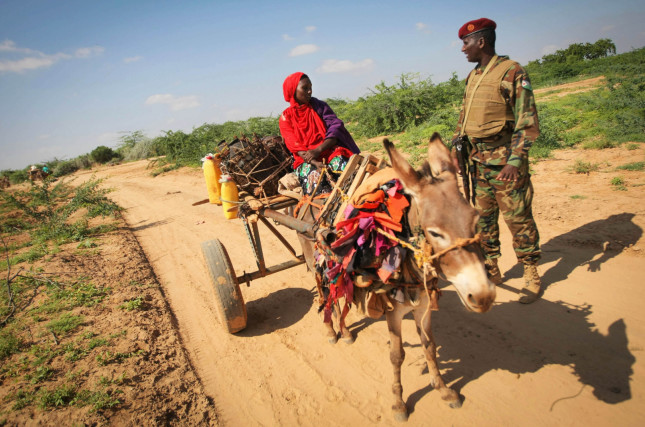
A Conflict Prevention Agenda Should Inform Climate Change Actions in Africa
›In Africa, climate change and population expansion are increasing fragilities and vulnerabilities—including contributing to conflict dynamics—for many people who directly depend on nature. To cope with how their environment can no longer supply livelihood needs, people are migrating in search of security or economic stability. These factors interact with one another in ways that underline the need for inclusive conflict mitigation considerations in climate change action.
-
Developing a Shared Narrative on Climate Change, Fragility, and Peacebuilding
›“Addressing the link between climate, conflict, and environment is a critical piece of the new USG framework for addressing fragility, and, as the Biden administration scales up its efforts to center climate change in its foreign policy and national security agendas, it’s going to be essential to consider the linkages between climate action and opportunities to build peace,” said Joe Hewitt, Vice President at the U.S. Institute of Peace during a recent event co-hosted by the Wilson Center and the U.S. Institute of Peace on the importance of integrating climate change responses, conflict prevention efforts, and peacebuilding.
-
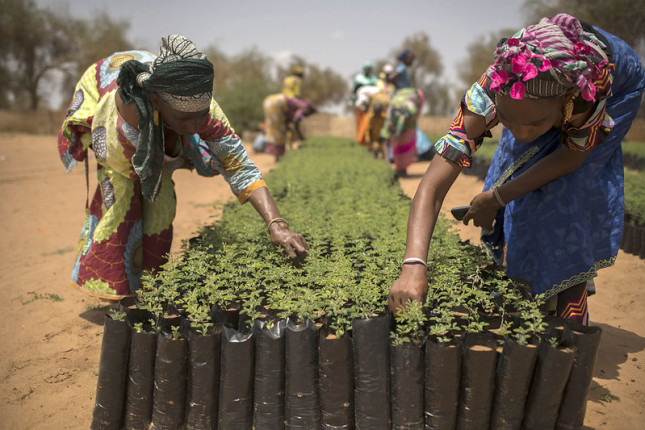
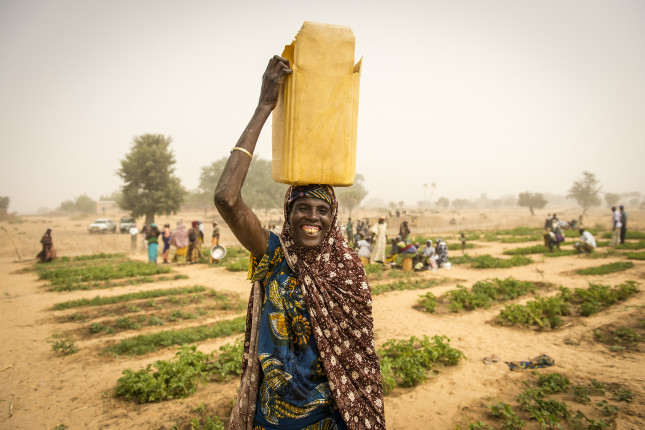
Why We Need a Climate Security Course-Correction for Stability in the Sahel
›Not only is the Sahel highly vulnerable to the impacts of climate change, but it is also one of the regions where climate change is most likely to undermine security and trigger violent conflict. Now more than ever, climate security risks must be effectively integrated into stabilisation and peace operations in order to achieve stability in the region.
-
Stormy Weather: Human Security Should Include Freedom from Hazard Impacts
›It is imperative that countries adopt a human security approach to achieve “freedom from hazard impacts”—nationally through a scientific disaster risk reduction strategy and internationally through climate diplomacy.
-
Building Coastal Resilience to Protect U.S. National Security
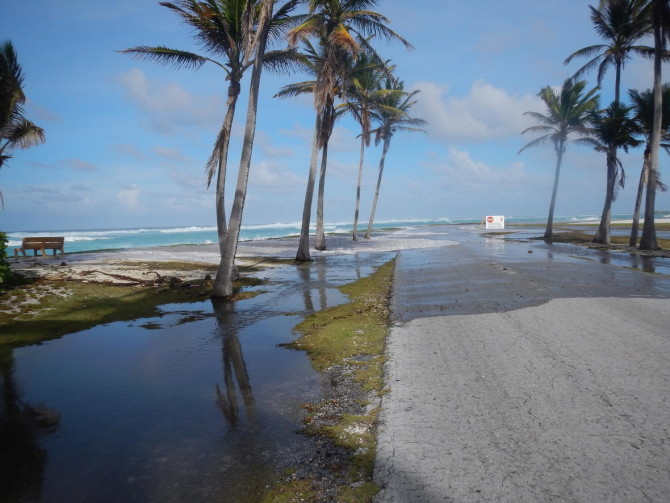
›June 28, 2018 // By Wilson Center StaffAs the Atlantic hurricane season kicks off this month, some coastal communities in the United States and small-island nations in the Caribbean are still recovering from last year’s record-breaking damage. At the same time, the heavy rains pounding the East Coast this week are part of a long-term trend towards more severe heavy rainfall events that have led to deadly floods and threaten critical U.S. military bases. Even on sunny days, cities such as Norfolk and Manila contend with high tide or “nuisance” flooding—a phenomenon that has increased as much as nine-fold since the 1960s, according to NOAA.
-
Ten Years, Nine Floods: Local-Level Climate Adaptation in China
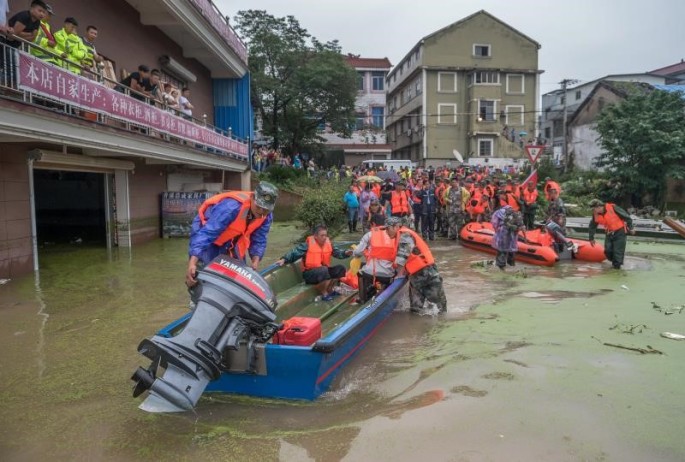
›The Lanjiang river in Eastern Zhejiang, China, reached its peak water level of 100 feet the night of June 25, 2017. Lanxi residents remember this day as “6.25,” marking the worst flood since 1955. Elsewhere in China that month, 7.3 million people were affected by floods, landslides, and heavy rains in northwestern Sichuan Province alone. Northern Guangxi suffered direct economic losses of 2.9 billion RMB (US$460 million). In the autonomous regions, 92,000 people were relocated. Flash floods caused the deaths of 10 people and forced 76,800 people to evacuate from Shanxi Province.
Showing posts from category mitigation.