-
Water @ Wilson | The Significance of the Coming El Niño: Understanding the Science and Preparing for Its Impacts
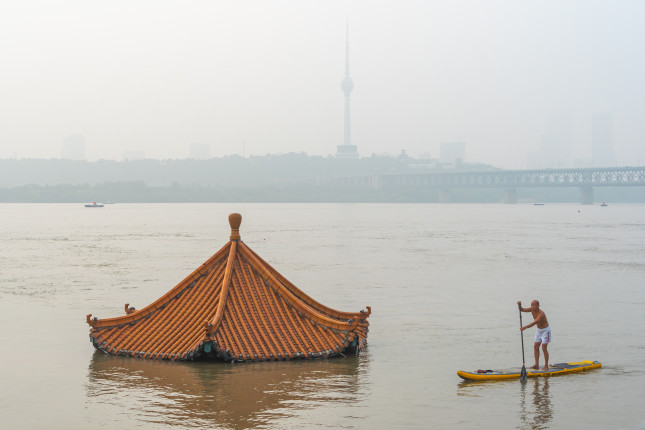
›When the National Oceanic and Atmospheric Association (NOAA) declared the beginning of an El Niño event on June 8, 2023, the recurring climate pattern featured in headlines all over the world as media outlets sought to cover its anticipated impacts.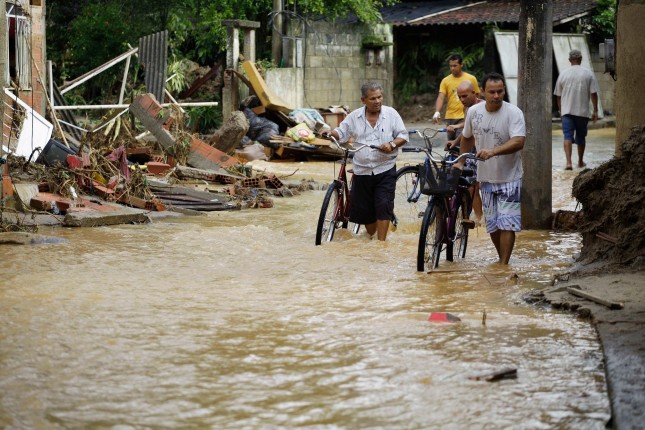
A recent Water @ Wilson event –“The Significance of the Coming El Niño: Understanding the Science and Preparing for its Impacts”—brought together experts at the Wilson Center to explain the complex science behind El Niño and explore its regional implications. The speakers also surveyed the policy tools at our disposal to prepare for its significant climate effects.
-
China’s Climate Security Vulnerabilities
›
Climate change’s ripples reach every corner of the globe, but nowhere is their geopolitical impact more pronounced than in China’s relations with the United States. This is especially the case as the undisputed security risks posed to both nations by climate change become intertwined with broader arcs of political, economic, and military competition on both sides.
-
How is Climate Change Affecting MENA? Local Experts Weigh In
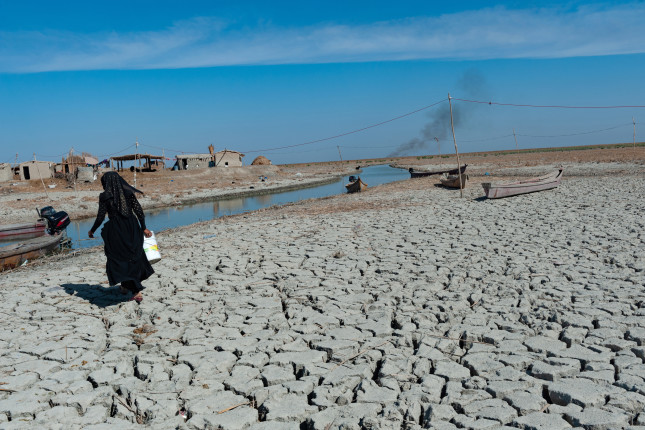
›From the Wilson Center // April 21, 2023 // By Khalil Abu Allan, Eslam A. Hassanein, Gokce Sencan & Neeshad ShafiFor Earth Day 2023, members of the Agents of Change Youth Fellowship answered this question: What is the biggest environmental or climate change related challenge facing your community today? Their responses reveal a pattern of vulnerability facing the MENA region.
-
What Can California Teach the Federal Government on Air Pollution? A Conversation With Richard Corey
›In August 2022, California’s Air Resources Board (CARB) announced a new regulation requiring all new vehicles sold in California to be zero emission by 2035, paving the way for an emission-free future. But what exactly is CARB—and why do its decisions carry such weight? To answer those questions and more, the Wilson Center’s Environmental Change and Security Program partnered with Climate Break (with support from the Henry M. Jackson Foundation) for a joint podcast featuring CARB’s former Executive Officer, Richard Corey. The conversation ranged from the agency’s history, to what Corey has learned about how to implement effective policy, and his view of lessons for the federal government as it moves more aggressively on climate action. -
COP27 in Egypt: Putting Human Rights on the Climate Agenda
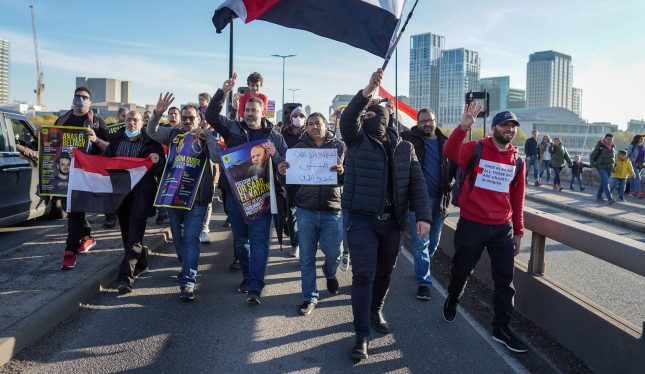
›Cairo hoped that COP27 would focus on its stated agenda: climate change adaptation. Yet it was human rights concerns—such as jailed pro-democracy activist Alaa Abdel Fattah’s hunger strike and rumors of restricted internet access to human rights platforms—that often stole headlines from climate policy or funding pledges. The persistence of human rights coverage demonstrated that Egypt and many other governments fail to recognize that strong governance, human rights protections, and climate change adaptation are mutually reinforcing and have overlapping policy actions.
-
Climate Finance: Taking Stock of Investments and Opportunities to Sustain Peace
›A key pillar of the UNFCCC was a commitment by industrialized nations to cover the incremental cost of climate change mitigation for developing countries. As part of this pledge, they agreed to mobilize $100 billion a year in climate finance by 2020 and maintain that level of funding up to 2025. While there are questions on whether this target has been met, climate finance has undeniably become one of the largest channels of wealth redistribution from developed to developing countries.
-
Responsible Research Won’t Be Enough to Control Solar Geoengineering
›As climate change worsens, the once-unimaginable power to use technology to cool the planet—a method known as “solar geoengineering”—has quietly entered the realm of possibility. Yet the prospect of developing such planet-altering technologies has launched an intense debate: Can this be achieved responsibly? Should it be attempted at all?
-
Climate Resilience for Whom? The Importance of Locally-Led Development in the Northern Triangle
›“One of the challenges of responding to climate risks is that climate’s impacts and how those impacts interact with existing systems on the ground are so varied and specific to a given place,” said Lauren Risi, Director of the Wilson Center’s Environmental Change & Security Program, at a recent PeaceCon conference panel on climate change, violence, and migration in Central America. “But there is also an opportunity in how we respond to develop more agile, just, and sustaining programs and policies that go beyond a singular focus on responding to climate change and instead build the overall resilience of communities.”
Showing posts from category mitigation.