-
Supercharging US Mineral Exploration: A Call for Federal Support
›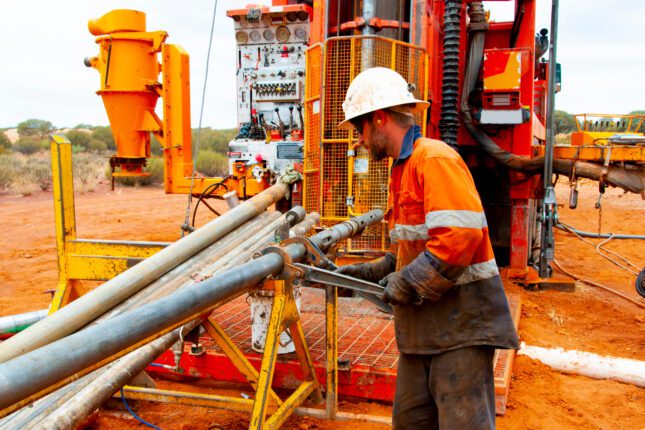
Critical minerals—and the soaring demand for them—are a key challenge for policymakers and analysts around the world. The factors driving that demand, especially energy transition technologies like electric vehicle batteries, are usually the focus of discussion. But the story of critical minerals is two-sided; it features both demand and supply.
-
How to Diversify Mineral Supply Chains – A Japanese Agency has Lessons for All
›China and the Global Energy Transition // China Environment Forum // August 15, 2024 // By Nayan Seth
On October 27, 2010, after meeting with her Japanese counterpart, US Secretary of State Hillary Clinton expressed concerns over allegations of a Chinese ban on exports of Rare Earth Elements to Japan. “This served as a wakeup call,” she announced while advocating for “additional sources of supply.” Beijing’s alleged ban came after skirmishes in the disputed Senkaku Island waters. But apart from Japan, not many countries acted on the wake-up call.
-
ECSP Weekly Watch | July 29 – August 2
›A window into what we are reading at the Wilson Center’s Environmental Change and Security Program
How One Loss and Damage Fund Bore Fruit (The Guardian)
The Loss and Damage Fund established during the UN COP27 was a monumental breakthrough in the climate finance realm and aimed to provide financial assistance to vulnerable nations impacted by climate change. Such damage can be catastrophic. When Cyclone Freddy hit Malawi in 2023, it killed 1,200 people and displaced 659,000 more. The estimated economic loss exceeded $1 billion, and it landed especially hard on farmers—including the women who make up more than 70% of Malawi’s agricultural workforce.
-
ECSP Weekly Watch | June 17 – 21
›A window into what we are reading at the Wilson Center’s Environmental Change and Security Program
Brazil Joins the Rare Earth Minerals Race to Curb Chinese Dominance (Reuters)
Brazil has the world’s third-largest reserves of rare earth minerals. Yet China dominates that market, accounting for 95% of global production. The mining giant is taking steps aims to break this supply chain dominance by creating a robust rare earth industry of its own. The country’s first rare earths mine, Serra Verde, began commercial production in 2024.
-
ECSP Weekly Watch | May 27 – 31
›A window into what we are reading at the Wilson Center’s Environmental Change and Security Program
Panama’s First Climate-Related Relocation
The Guna Indigenous people of Gardi Sugdub—an island in Panama’s San Blas Archipelago—are moving to new mainland homes in Carti Port’s Isber Yala neighborhood. This move is part of a larger relocation effort supported by the country’s government since 2010 to address the impacts of climate change on its indigenous peoples.
-
ECSP Weekly Watch | May 13 – 17
›A window into what we are reading at the Wilson Center’s Environmental Change and Security ProgramUN World Wildlife Crime Report Reveals Harm of Wildlife Trafficking (UN Office on Drugs and Crime)
In the third World Wildlife Crime Report, the UN Office on Drugs and Crime (UNODC) discussed trends in illicit trafficking of protected species, analyzed wildlife crime harms and impacts, and took stock of all current knowledge on intervention effectiveness. This report is more comprehensive than its predecessors in 2016 and 2020 due to increased reporting. Despite 20 years of effort, wildlife trafficking persists and is connected with powerful organized crime groups operating in fragile ecosystems. This has implications not only for the spread of organized crime, but also for biodiversity loss and subsequent impacts on climatic fragility.
-
ECSP Weekly Watch: April 29 – May 3
›A window into what we are reading at the Wilson Center’s Environmental Change and Security ProgramEnvironmental Prize Winners Highlight Local Communities’ Fight Against Fossil Fuels (New York Times)
On Monday, several environmental leaders won the Goldman Environmental Prize, which the Goldman Environmental Foundation awards annually to grassroots environmental activists from each of the world’s six geographic regions. This year’s prize comes as environmental advocacy groups, especially indigenous ones, increasingly fight legal battles against companies or government entities that wish to use their land for oil and gas acquisition or coal mining.
-
Americans Want to Challenge China’s Presence in Africa. They Could Start by Showing Up
›Zambia’s Copperbelt province is a microcosm of foreign investment on the continent.
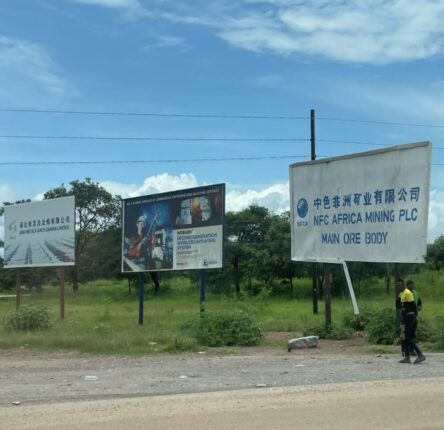
Fly into Lusaka and marvel at the capital’s strikingly modern airport. Drive into town along a road as smooth as any American highway. Look left and notice a large white hospital complex. Glance right only a few minutes later to see the city’s impressive conference center with a “Golden Chopsticks” restaurant next door.
Showing posts from category minerals.