

-
The Tetherball Effect: How Efforts to Stop Migration Backfire
›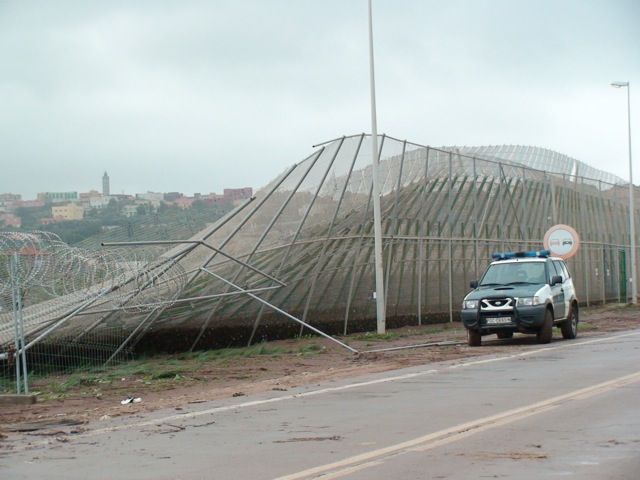
Fears of Central American caravans and Saharan smugglers keep European and U.S. leaders up at night. Desperate to manage migration, they turn to short-term fixes, which include blocking borders and supporting authoritarian leaders to contain people—their own citizens and others—before they get close to Europe or the United States. This bit of political theater appeals to some, but has limited effects in overall numbers. The long game consists of addressing root causes so people no longer feel compelled to move at all. But this too will do little to prevent migration north. If anything, it will encourage more people to move.
-
Snow and Ice Melt Patterns Help Predict Water Supply for Major Asian River Basins
›
“For the longest time we thought that water was forever renewable and that it would always be there,” said Gloria Steele, Acting Assistant Administrator for Asia with USAID, at a recent Wilson Center event on water security in High Asia. “We now know that is not the case, and we need to protect it and manage it effectively.”
-
50 Years of Water at Wilson: Rising New Ocean, Endangered Villages, Plastic Pollution (Part 2 of 2)
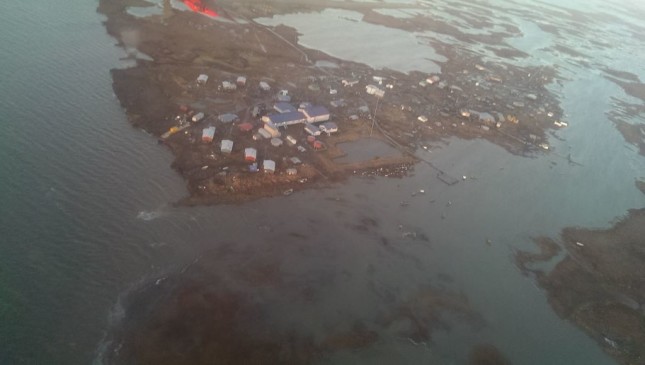
›In the Arctic, “a new ocean has emerged and we have to deal with it,” said Mike Sfraga, Director of the Wilson Center’s Global Risk & Resilience Program and Polar Institute at a recent water event celebrating the Wilson Center’s 50th anniversary.
-
50 Years of Water at Wilson: Water, Conflict, and Cooperation (Part 1 of 2)
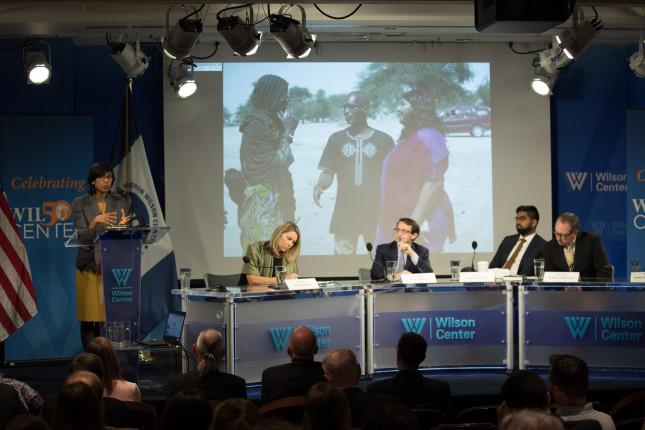
›A number of countries across North Africa, the Middle East, into Central and South Asia are “at risk of failure if they can’t get the water equation right,” said Aaron Salzberg of the U.S. Department of State, at a recent Wilson Center event celebrating 50 years of working on water’s connection to conflict and cooperation. The event brought together experts from government, NGOs, and academia for a comprehensive look at the first year of the U.S. Global Water Strategy and new research and practice on water, peace, and conflict. Either now or sometime in the near future, said Salzberg, if fundamentally water insecure countries lacking access to sustainable supplies of safe drinking water and basic sanitation do not address their water problems, they will face increased risk of failure and greater fragility.
-
How Gender and Climate Change Can Be Integrated Into Military Operations (Book Preview)
›As the United States develops a strategy to guide all military services on how to promote the participation of women in conflict prevention, management, and resolution, and to better protect women and girls in situations involving armed conflict, it could supplement the work already being done in the Department of Defense by studying the examples of other countries and international organizations. When shaping its framework, it should also consider the links between conflict, women, and climate change in developing best practices. -
Planning for the Public Health Effects of Climate Migration
›In Alaska’s arctic communities, Inuit contemplating the need to relocate have reported that the loss of sea ice would make them feel like they are lost or going crazy. Zika and other vector-borne diseases have been a concern primarily for people in the southeastern United States. Recent research on the long-range internal migration of people from the coasts to the interior suggests a broader national concern regarding “climate augmentation” of disease. These are just two examples of the many public health effects we can expect as climate change forces people to uproot themselves.
-
Sandra Ruckstuhl on Capturing Practical Lessons on Water, Conflict, and Cooperation
›Friday Podcasts // Water Stories (Podcast Series) // December 14, 2018 // By Kathryn Gardner & Truett SparkmanWe realized “there was a need for a toolkit on water,” says Sandra Ruckstuhl in this week’s Water Stories podcast, “with a focus of conflict and conflict mitigation, but also peacebuilding.” Ruckstuhl, a consultant for the World Bank who has researched water programs in Yemen and the Middle East, helped the Wilson Center produce USAID’s Water and Conflict toolkit, which documents examples of successful development interventions focused on water and peacebuilding. -
Book Review: “Making America Green and Safe” Explores History of Sustainable Development and Climate Change
›In his book, Making America Green and Safe: A History of Sustainable Development and Climate Change, Alan Hecht offers an insider’s account of the years that shaped sustainable development and climate change policy in the United States. The arc of Hecht’s career spans the evolution of the modern environmental movement. Serving for more than 40 years in the U.S. government, he devoted his career to environmental protection and sustainable development. The stories he tells reflect his belief that “history is a critical part of future planning.”
Showing posts from category security.

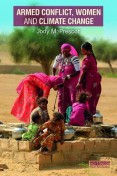 As the United States develops a strategy to guide all military services on how to promote the participation of women in conflict prevention, management, and resolution, and to better protect women and girls in situations involving armed conflict, it could supplement the work already being done in the Department of Defense by studying the examples of other countries and international organizations. When shaping its framework, it should also consider the links between conflict, women, and climate change in developing best practices.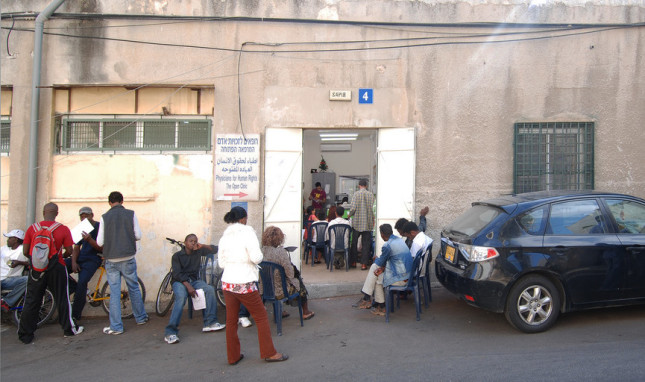
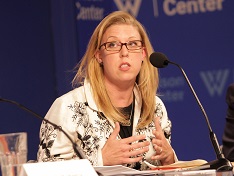 We realized “there was a need for a toolkit on water,” says Sandra Ruckstuhl in this week’s Water Stories podcast, “with a focus of conflict and conflict mitigation, but also peacebuilding.” Ruckstuhl, a consultant for the World Bank who has researched water programs in
 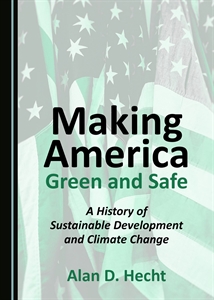 In his book, Making America Green and Safe: A History of Sustainable Development and Climate Change, Alan Hecht offers an insider’s account of the years that shaped sustainable development and climate change policy in the United States. The arc of Hecht’s career spans the evolution of the modern environmental movement. Serving for more than 40 years in the U.S. government, he devoted his career to environmental protection and sustainable development. The stories he tells reflect his belief that “history is a critical part of future planning.”

