-
Crisis in Lake Chad: Tackling Climate-Fragility Risks
›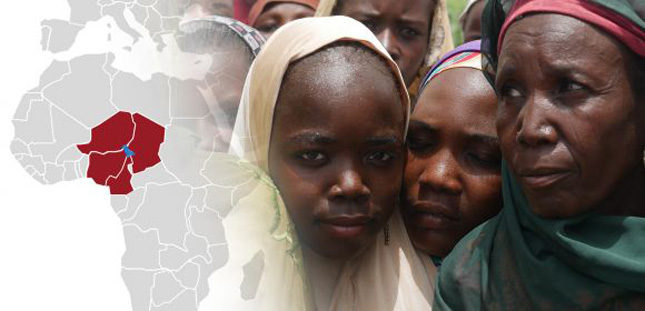
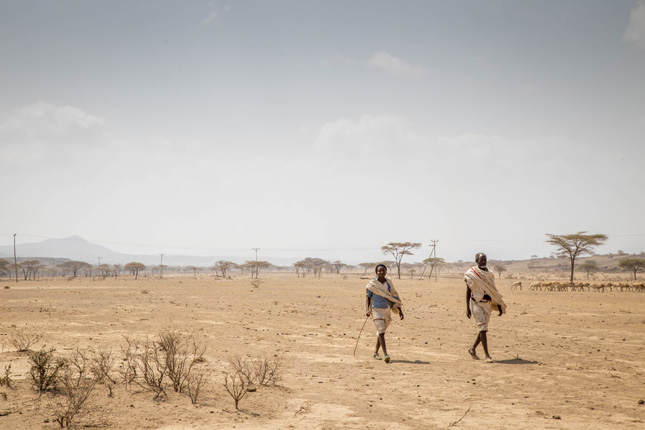
While attention in the United States is focused on the disasters in Puerto Rico and the Caribbean, a crisis across the Atlantic is rapidly becoming one of the worst humanitarian disasters since World War II. In the Lake Chad basin of West Africa, about 17 million people are affected by the emergency, struggling with food insecurity, widespread violence, involuntary displacement, and the consequences of environmental degradation. An estimated 800,000 children suffer from acute malnutrition; and although international donors pledged $672 million in February, the famine and humanitarian misery continues unabated. Suicide bombings and attacks by Boko Haram, which have killed at least 381 civilians since April 2017, have forced many people to leave their homes and farmers to leave their lands, interrupting livelihoods and reducing food supplies.
-
Devastation Can Foster Resilience: Interview With Roger-Mark De Souza
›October 10, 2017 // By Wilson Center Staff
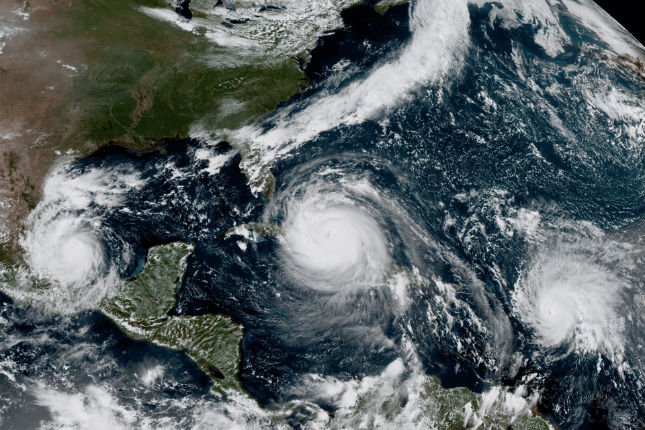
The devastation in Puerto Rico is shocking: Half of the population, or 3.4 million people, lack drinking water and 95 percent are without electricity even two weeks after Hurricanes Irma and Maria.
-
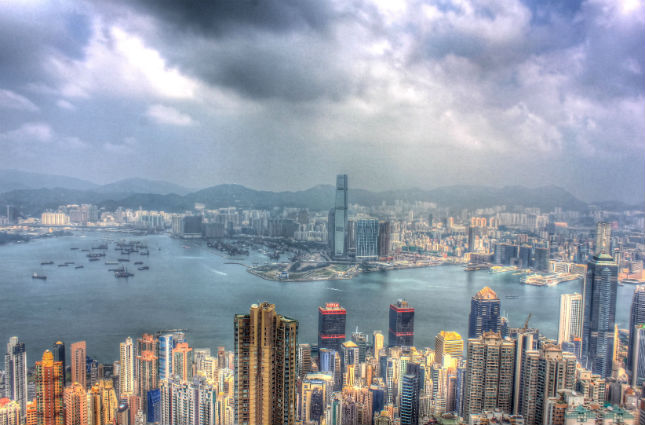
One Country, Two Water Systems: The Need for Cross-Boundary Water Management in Hong Kong and Guangdong
›In 2011, a group of Hong Kong water activists and researchers traveled the length of the Dongjiang (East) River, which stretches from northeast Guangdong Province into Hong Kong’s New Territories, to investigate the challenges facing the watershed. The Dongjiang basin, which provides nearly 80 percent of Hong Kong’s water supply, has suffered water shortages due to the region’s increasing urbanization and industrialization. They found unchecked wastewater discharges—from agriculture, poultry farms, chemical plants, tanneries, and even an open-air quartz quarry—were dangerously degrading water quality.
-
Overlooked and Misunderstood: Stories About Climate, Conflict, and Migration
›October 3, 2017 // By Bethany N. BellaBarbuda—an island once full of people—has been rendered completely uninhabitable by Hurricane Irma. Every single resident was evacuated from the island, and some are not planning to return. Climate-induced migration and displacement is not usually this dramatic, but it is not uncommon: Since 2008, UNHCR estimates that an average 21.5 million people each year have been forcibly displaced by weather-related natural disasters, like floods, storms, and wildfires.
-
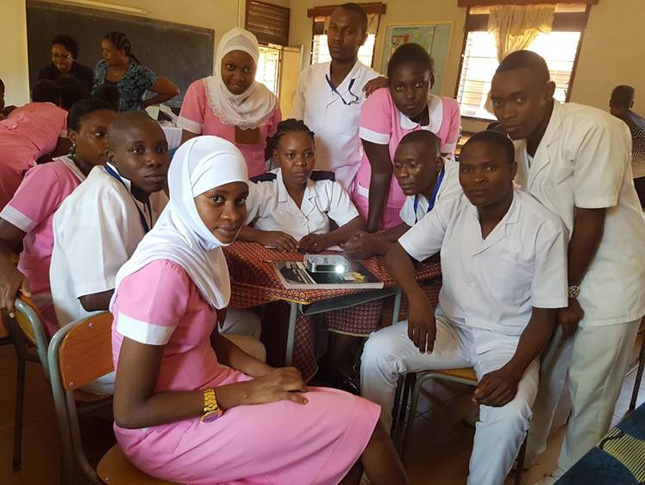
Reaching the Farthest Behind: Maternal Health Innovations at the Facility Level
›“Innovation happens when there are pioneers that stick with it,” said Monica Kerrigan, vice president of innovations at Jhpiego. “How can we—each one of us—be part of the change process?” Innovations will be essential to meeting Sustainable Development Goal #3, which is to reduce the global maternal mortality ratio to below 70 deaths per 100,000 live births. Experts from the United Nations Population Fund (UNFPA), Jhpiego, Jacaranda Health, and Total Impact Capital came together at the Wilson Center on September 14th to discuss how maternal health clinics and other facilities can be drivers of innovation.
-
Backdraft #9: Joshua Busby on Mapping Hotspots of Climate and Security Vulnerability
›Maps help us to grasp complex ideas, such as patterns of risk and vulnerability, but the stories they tell can have significant implications. “It’s very difficult to validate that what you’re capturing in the maps is representative of real-world phenomenon,” says Joshua Busby in this week’s “Backdraft” episode, describing his efforts to map climate and security hotspots in Africa and Asia. “You have to be modest in what you think the maps can tell policymakers, but also realize there is some seductive power in the way maps simplify complex reality.” -
To Fight Climate Change, Educate and Empower Girls
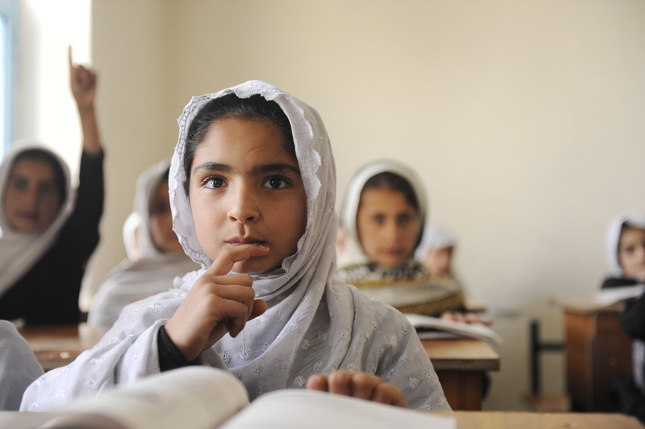
›Girls and women bear the brunt of climate change impacts. Natural disasters kill more women than men: an estimated 90 percent of those killed in some weather-related disasters were female. The effects of climate change on natural resources can also further exacerbate existing gender inequalities. Girls may be kept out of school to fetch water, as droughts drive them to walk farther and farther to find it. Seeking to stretch scarce household resources, families may marry off their daughters before the legal age and they may become more vulnerable to human trafficking after natural disasters.
-
GMOs: Can U.S.-China Cooperation Address Public Distrust and Increase Food Security?
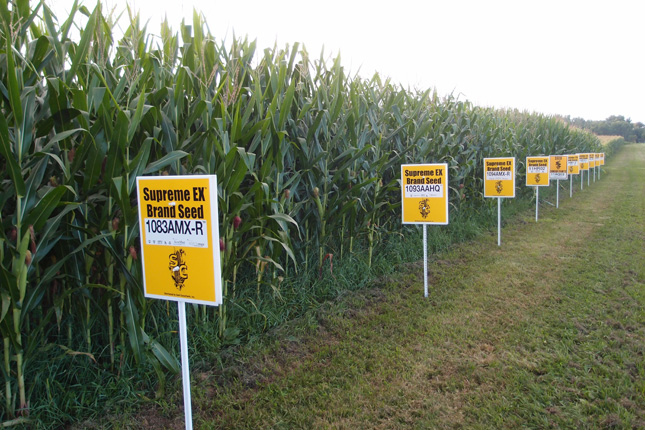
›Today, China feeds 1.38 billion people—approximately one-fifth of the global population—with about 10 percent of the world’s arable land. Compared to the United States, where each acre of land feeds one citizen on average, China has only 0.2 acres per person. This people-to-land mismatch helps explain why 9.3 percent of China’s population was undernourished in 2015.
Showing posts from category featured.
 Maps help us to grasp complex ideas, such as patterns of risk and vulnerability, but the stories they tell can have significant implications. “It’s very difficult to validate that what you’re capturing in the maps is representative of real-world phenomenon,” says Joshua Busby in this week’s “Backdraft” episode, describing his efforts to map climate and security hotspots in Africa and Asia. “You have to be modest in what you think the maps can tell policymakers, but also realize there is some seductive power in the way maps simplify complex reality.”