-
Sustainable Water, Resilient Communities: The Challenge of Too Little Water
›From the Wilson Center // Water Security for a Resilient World // October 27, 2017 // By Gretchen Johnson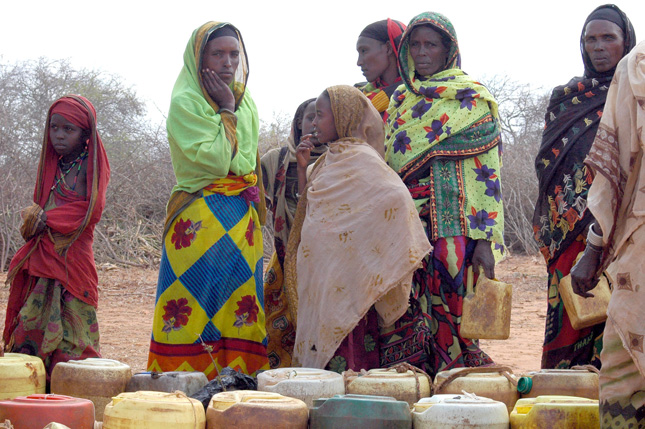
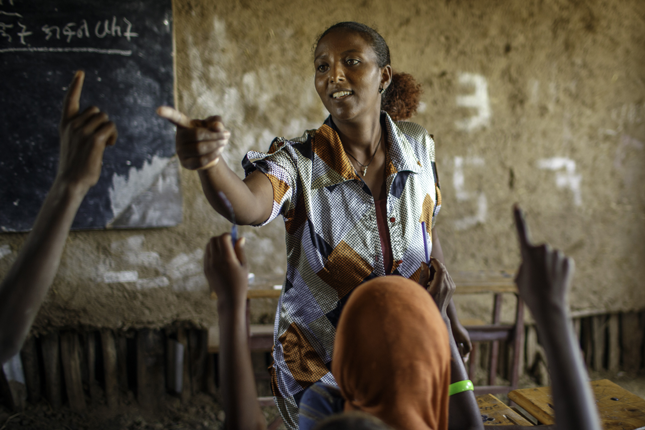
Water is a “strategic instrument in the creation of a safer, healthier, more nutritious, less aggressive world,” said Winrock International President and CEO Rodney Ferguson at the first event in a four-part series on water security organized by the Wilson Center and the Sustainable Water Partnership. Panelists at the event identified innovative and integrated efforts necessary to increase global water security in the face of growing water scarcity.
-
Opening the Demographic Window: Age Structure in Sub-Saharan Africa
›
Over the past 25 years, economic and political demographers have documented how declines in fertility rates have preceded improvements in state capacity, income, and political stability in much of East Asia, Latin America, and, most recently, in the Maghreb region of North Africa (Tunisia, Morocco, Algeria). Nonetheless, social scientists still debate over where and when this “demographic dividend” will occur in the youthful, low-income countries of sub-Saharan Africa. Elizabeth Leahy Madsen of the Population Reference Bureau and I find that, for most youthful countries—like those in sub-Saharan Africa—changes in population age structure provide a means to gauge the timing of their future development.
-
It Takes a Village: Communities Are Key to a Resilient Health System
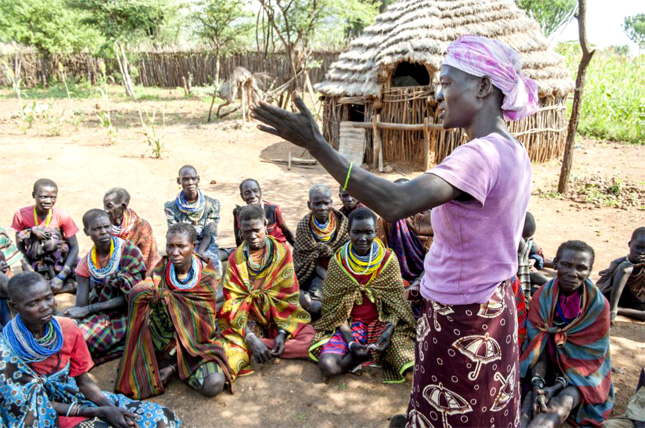
›“Resilience means the ability to cope and move ahead,” said Joan Dalton, the gender lead at THINK Liberia during the second session in a series of conversations on resilience and health at the Wilson Center. As conflicts, epidemics, and natural disasters increasingly leave global health systems vulnerable to devastation, it is important to build resilient health systems through interventions that support community resilience, agreed global health experts at the panel event co-hosted by CARE and the Maternal Health Initiative.
-
The New Middle Eastern Wars: To Protect Civilians, Protect Environmental Infrastructure
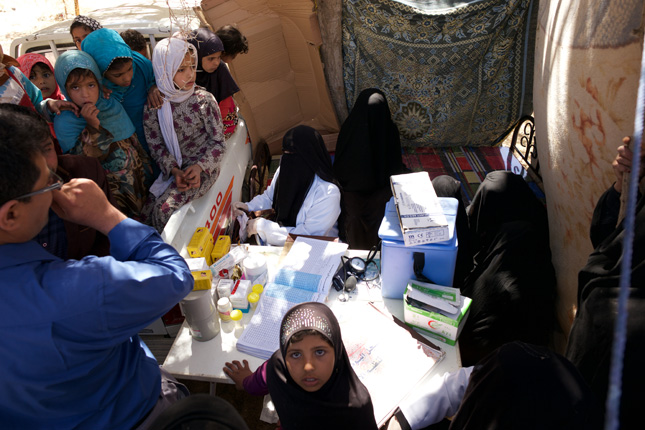
›Six years of brutal warfare have destroyed basic infrastructure in Yemen, Libya, and Syria. While U.S. and European governments have been largely preoccupied with providing immediate assistance and dealing with refugees, international humanitarian organizations—such as the International Committee of the Red Cross and Doctors without Borders—are focusing on how to repair, maintain, and safeguard the facilities that provide essential services like clean water, sanitation, and electricity. Yet these efforts are hindered by lack of resources, protracted violence, and—most insidiously—by the warring parties’ intentional targeting of humanitarian actors and environmental infrastructure. Just as the extensive damage from hurricanes in the Caribbean and southeastern United States has underscored the need for more resilient infrastructure, the wars of the Middle East show that protecting infrastructure is key to protecting civilians caught up in conflict.
-
Can We Fall in Love With the Problem? Monica Kerrigan on Innovations in Maternal Health
›“Innovation happens when there are pioneers that stick with it,” says Monica Kerrigan, vice president of innovations at Jhpiego in a podcast from the Wilson Center’s Maternal Health Initiative. At a recent panel discussion on “Reaching the Farthest Behind: Facility-Level Innovations in Maternal Health,” Kerrigan shone a light on some of the challenges facing innovators trying to change the way we care for mothers and their children. -
China’s Silver Bullet: Can the Transmission Grid Solve China’s Problems?
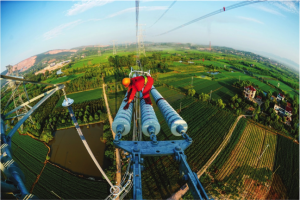
›With air pollution causing more than one million deaths in 2015 and reducing the lifespan of citizens in northern China by three years, clean energy has become a top priority for China’s leaders. China tops the world in wind and solar power installations and the government plans to invest more than $360 billion through 2020 on renewable energy. But the green energy transition needs more than renewable power generation: Long-distance electricity transmission could play a key role in cleaning up China’s brown skies. Our recent study estimated that transmitting a hybrid of renewable and coal power through 12 new high-voltage transmission lines could prevent 16,000 deaths from air pollution exposure, and avoid 340 million tons of CO2 emissions in China.
-
“I Don’t Want to Leave My Country for Anything”: Making the Decision to Migrate in the Marshall Islands
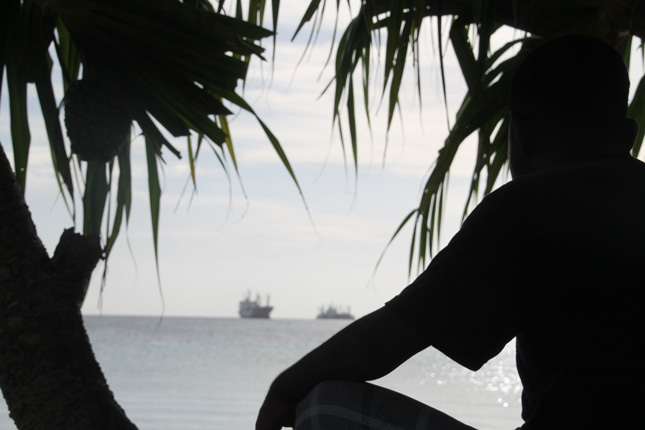
›A threat looms on the sun-splashed horizon of the Republic of the Marshall Islands. The specter of climate change wraps its fingers around the islands, raising sea levels, salinizing soils, and sapping freshwater resources. These changes will make it even harder to sustain crops, which could push the population to even greater reliance on processed foods, which has already spurred a diabetes epidemic on the islands. The major role played by the United States in the history of the Marshalls, where nuclear bombs were famously tested during the Cold War, may continue, as the impacts of another existential threat—climate change—continue to increase.
-
Cities After Paris: The Role of Subnational Actors in Achieving International Goals
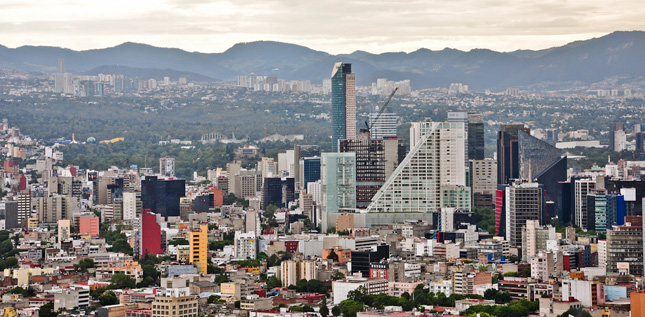
›As the climate changes, cities will suffer. “These are important places that have a lot of people, property, and local economies that are going to struggle,” said Jessica Grannis, the adaptation program manager at Georgetown’s Climate Center, at a recent Wilson Center event on the role of subnational decision-makers in achieving international goals. “The good news is that, here in the United States, many cities are recognizing these threats to their people and populations, and they’re beginning to take action,” said Grannis.
Showing posts from category featured.
 “Innovation happens when there are pioneers that stick with it,” says