-
Everybody Counts: Maternal Mortality
› It’s 2018, so why are women still dying in childbirth? This episode of Everybody Counts, hosted by Jennifer D. Sciubba, a professor of political demography at Rhodes College, explores why maternal mortality is a global issue, what policy solutions can keep mothers healthy, and why valuing women is at the heart of the issue.
 -
Europe Takes the Lead in Climate, Energy, and Security
›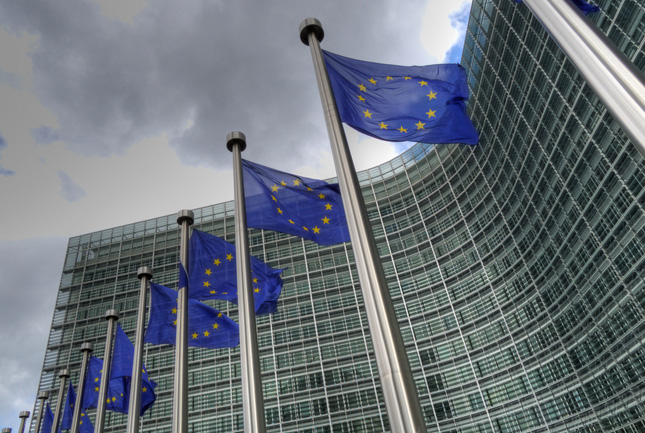
With the tumultuous NATO summit and a simmering trade war dominating stateside headlines last month, the European Union’s progress on climate-security connections has received little attention. After the U.S. government rolled back its significant efforts in early 2017, the EU and its leading members—particularly Sweden and Germany—picked up the ball. Three significant events herald what could be the start of a new era of climate-security policymaking—one under European leadership.
-
Like Water and Oil: Fish as a Geostrategic Resource
›Access to and competition over natural resources has been one of the most common triggers for conflict. Throughout the centuries, countries and communities have fought over productive agricultural land, trade routes, spices, textiles, opium, and oil, to name just a few. But the battle over one natural resource—fish—has long been overlooked. As trends in the global fish industry increasingly mirror the conflict-ridden oil sector, fish may become the newest addition to the list of resources driving geopolitical competition. There are five parallels between oil and fish that call for increasing the sustainability of the fishing industry, or we might find ourselves facing what U.S. Coast Guard Captain Jay Caputo has called “a global fish war.”
-
Water and Governance: Changing Water Laws in a Changing Climate
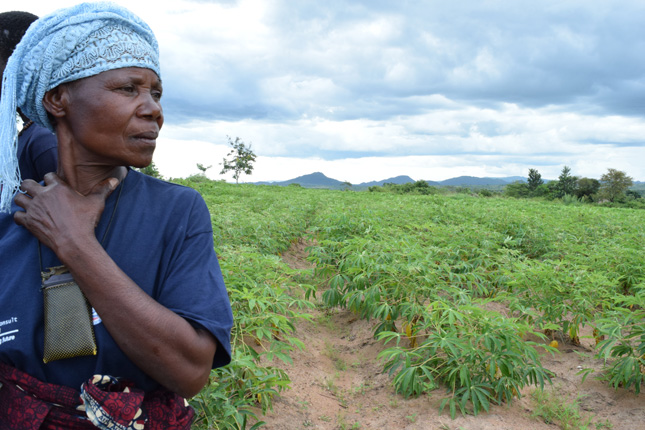
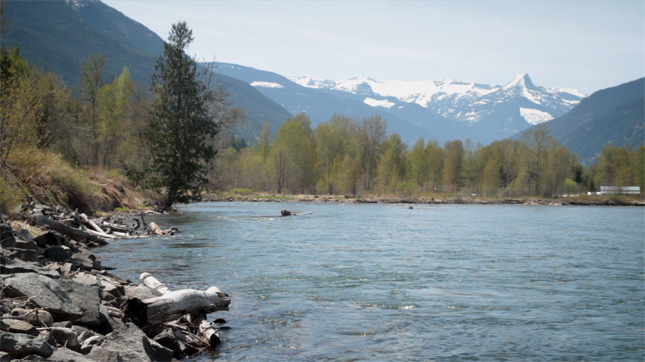
›The Columbia River basin—which spans four U.S. states, two Canadian provinces, and 32 Tribal Nations or First Nations—touches the lives of more than five million people each day. The basin’s 250 hydroelectric dams power everything from Google’s data center to irrigation pumps that spread water onto fields of alfalfa and potatoes. Steelhead trout and salmon rely on the river to spawn. Ships and tugboats transport millions of tons of cargo to and from the Pacific Ocean.
-
Forever Young: Engaging Youth to Build Stability and Reduce Violence
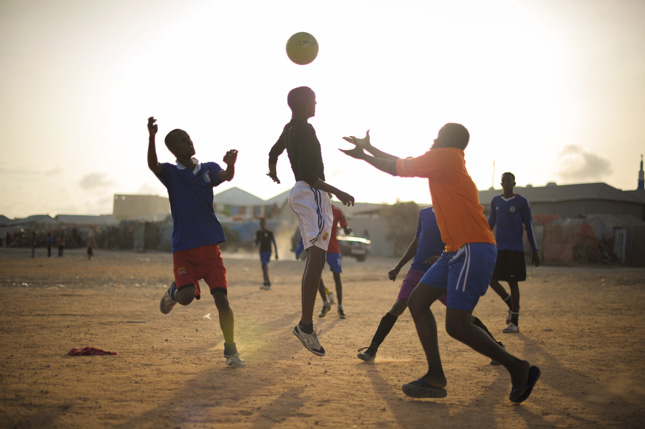
›“There are more young people in the world today than in any other time in the history of the world,” said Beza Tesfaye, Senior Researcher at Mercy Corps, at a recent event at the U.S. Institute of Peace on Mercy Corps’ efforts to engage youth in Somalia and Afghanistan in order to promote stability and prevent violence. “As we know, marginalized youths are the ones often to be recruited into violent movements. Not only do we have to focus on conflict, but we also have to put youth at the center of development programs to address these issues.”
-
A More Prosperous World: Investing in Family Planning for Sustainable Economic Growth
›“There is a close relationship between fertility rates and health on one hand, and economic growth on the other,” said Peter McPherson, President of the Association of Public Land-Grant Universities and former USAID Administrator, at the final event in a three-part series on the role of population and family planning in supporting economic growth, health, and education.
-
Jocelyn Ulrich: Enhancing Public Health to Unleash the Economic Power of Women
›Healthy Women, Healthy Economies is a global initiative that aims to unleash the “economic power of women by bringing governments, private sector, and other civil sector actors together to improve women’s health,” says Jocelyn Ulrich of EMD Serono (known as Merck KGaA, Darmstadt, Germany outside of the US and Canada) in our Friday Podcast. Providing for women’s health needs enables them to “join, thrive, and rise” in the economy, “bringing prosperity home to their families and communities.” -
Reaching for Resilience in East Africa
›“Resilience isn’t an outcome, it is a process—and capacity-building is crucial,” said Chelsea Keyser, Deputy Chief of Party for USAID’s PREPARED program, during a recent event at the Wilson Center marking the end of the five-year project. PREPARED (Planning for Resilience in East Africa Through Policy, Adaptation, Research, and Economic Development) developed 14 different tools to help communities adapt to the impacts of the changing environment in the East African region, including unreliable rainfall and rising temperatures.
Showing posts from category featured.
 It’s 2018, so why are women still dying in childbirth? This episode of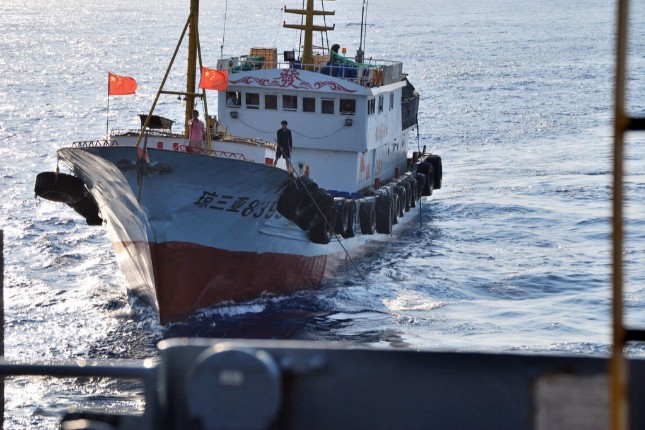
 Healthy Women, Healthy Economies is a global initiative that aims to unleash the “economic power of women by bringing governments, private sector, and other civil sector actors together to improve women’s health,” says Jocelyn Ulrich of