

-
Measuring Impact: Building on Lessons Learned to Improve Biodiversity Conservation
›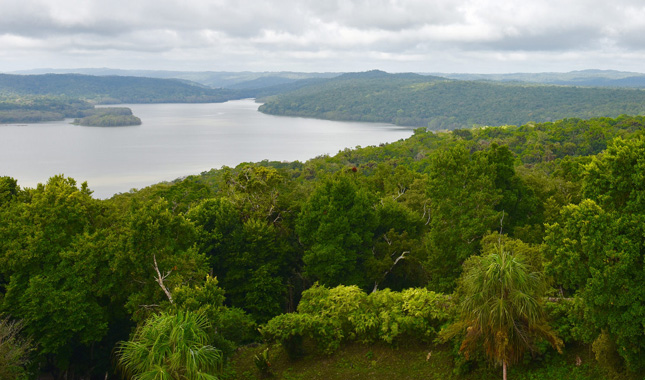
“Functioning natural systems are critical to human survival itself,” said Carrie Thompson, Deputy Assistant Administrator of the Bureau for Economic Growth, Education and Environment at USAID, at a recent Wilson Center event on USAID’s efforts to increase the effectiveness of its biodiversity conservation programs. Measuring Impact was designed to help support USAID’s 2014 Biodiversity Policy, which is “grounded in a recognition that human well-being and progress are dependent on the health of biodiverse systems and [that] durable development gains are not possible unless these systems are valued and safeguarded,” said Cynthia Gill, Director of USAID’s Office of Forestry and Biodiversity.
-
Big Dams, Big Damage: The Growing Risk of Failure
›August 21, 2018 // By Olivia Smith
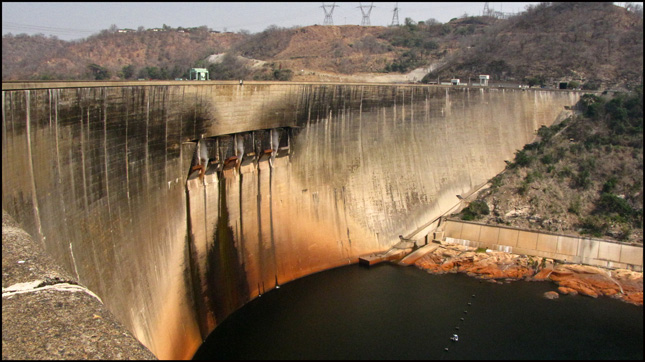
Last month, a partially completed dam in Laos’ Attapeu province collapsed, washing away people and villages in its path. Hundreds of people are still missing and more than six thousand are homeless. And after last summer’s hurricanes, U.S. citizens in Houston and Puerto Rico escaped death but were forced to evacuate when dams were flooded. Dam failure can be catastrophic for people, property, and power—and the risks are rising, due to lack of investment in maintenance, growing vulnerability to climate change, and the demonstrated potential of cyberattacks.
-
Driven to Care: Improving Transportation to Reach Maternal Health Care in Conflict Zones
›How much time passes between a laboring woman’s decision to seek care and her arrival at a health facility? Transportation for emergency obstetric care should be swift and timely, but for many refugees in the world’s conflict zones, it is not.An analysis of refugee maternal mortality in 10 countries found that transportation problems contributed to more maternal deaths outside of refugee camps, which tend to have better access to emergency transportation services.
-
Mothers of Invention: New Podcast from Mary Robinson and Maeve Higgins
›Mary Robinson, the first female president of Ireland, and Maeve Higgins, Irish comic, have teamed up to talk climate change with pioneering women leaders from around the world. In the coming weeks, their new podcast, Mothers of Invention, will feature an African politician, an Indian scientist, a Native American activist, and many more.
-
Rush Hour: Three Commutes, Three Stories
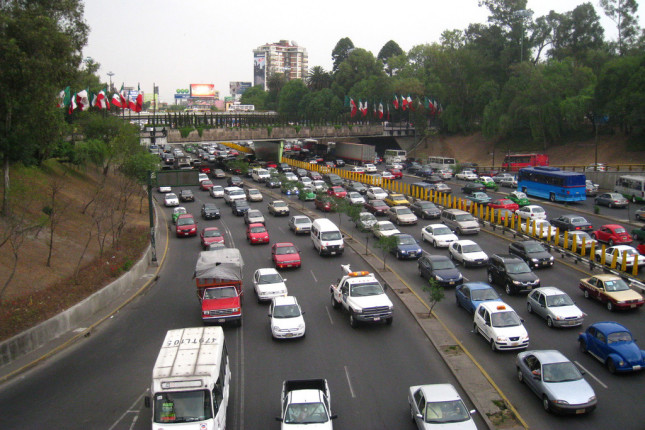
›“The idea to make this film came from a very personal place,” said filmmaker Luciana Kaplan at a recent Wilson Center screening of her documentary Rush Hour, recalling how a woman who worked for her spent six hours a day on public transportation. “I have to make a film about this,” she said she told herself, “because this is a silent enemy that is attacking all of us in big cities.”
-
Keep Moving Forward: Refugee Resilience and Citizen Diplomacy
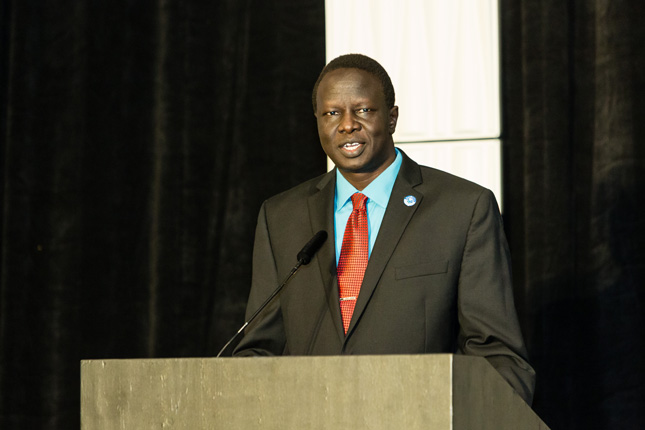
›August 15, 2018 // By John Thon MajokMore than 17 years ago, I came to the United States as part of a refugee group known as the “Lost Boys” of Sudan. In 1987, civil war separated me from my parents for almost 10 years. After 13 years of living in limbo in refugee camps, I was given the opportunity to settle in Tucson, Arizona, where I quickly integrated myself into the American society as a productive citizen. My story demonstrates the resilience paradox: Exposure to prior hardships helps us become more resilient.
-
Water Security in a New Age of Nationalism
›The idea of a “new middle” or “third way”—a blend of neo-liberal economic doctrines and social policies that was supposed to overcome the dichotomy between mixed economy and free market paradigms—more or less dominated U.S. and European politics for the last two decades. But today, this centrist consensus has been upended by a wave of populist, nationalist parties. Many have won over their electorates by questioning the benefits of free trade and globalization (as well as the international institutions that espouse them), while pursuing expansionary domestic economic policies.
-
Death From Delay: Improving Maternal Health Care in Conflict Zones
›How much time passes before a woman—or her relatives—decide to seek care or emergency medical services during pregnancy? It often depends on how much they know about the services available.This information may be hard to come by in conflict-affected areas, especially among internally displaced women. According to a retrospective study of health care during the 2006 war in Lebanon, 80 percent of Lebanese pregnant women before the war sought antenatal care, while the share of displaced women seeking care was only 34.5 percent.
Showing posts from category featured.
 How much time passes between a laboring woman’s decision to seek care and her arrival at a health facility? Transportation for emergency obstetric care should be swift and timely, but for many refugees in the world’s conflict zones, it is not.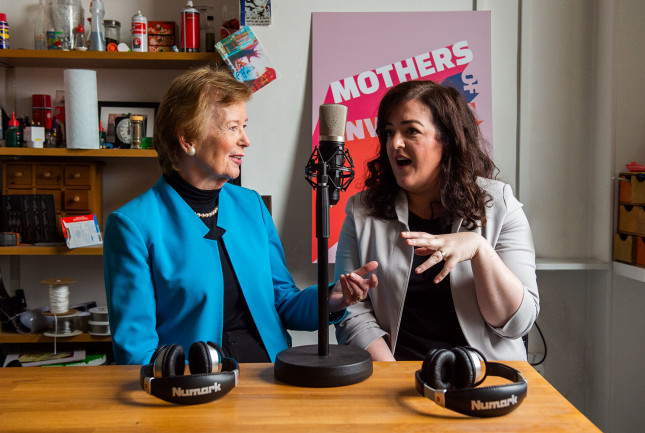

 How much time passes before a woman—or her relatives—decide to seek care or emergency medical services during pregnancy? It often depends on how much they know about the services available.

