-
As Glacial Floods Threaten Mountain Communities, a Global Exchange Is Fostering Adaptation
›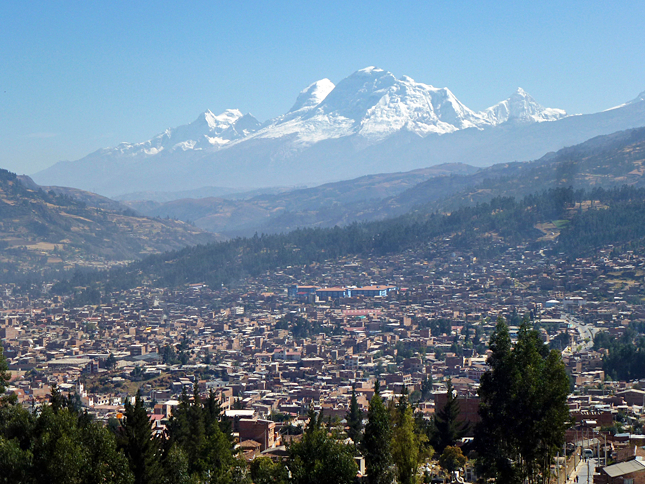
In 1941, glacial Lake Palcacocha in the Peruvian Andes burst its moraine dam of earth and stones, sending a torrent of water through the city of Huaraz and killing an estimated 5,000 people. Between 1941 and 1950, two more glacial lake outburst floods, or GLOFs, which can occur after enough water fills in behind a glacier’s end moraine, killed another 5,000 people in the Cordillera Blanca. In response, the government set up one of the most effective glaciological units in the world with the goal of preventing future outburst floods. Using drain pipes, reinforced terminal moraine dams, sophisticated tunnels, and valve systems, they drained or contained 34 lakes in the region. As a result, thousands of lives were saved.
-
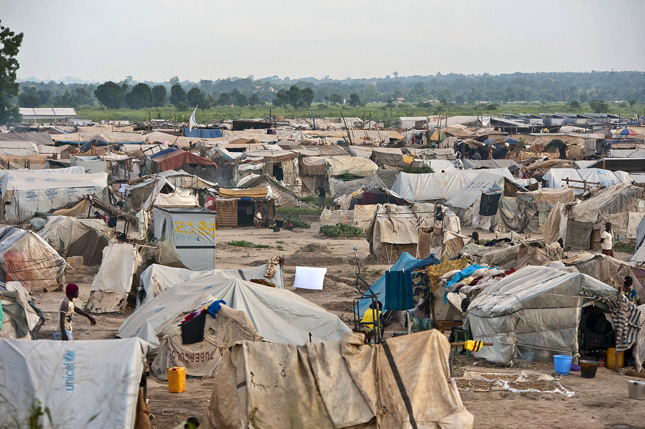
What’s in a Name? States of Fragility and Adjusting Aid to Conflict Zones
›April 13, 2015 // By Lauren Herzer Risi
Depending on how closely you pay attention to the OECD, you may have picked up on a subtle but meaningful change in this year’s States of Fragility report. Whereas previous reports were titled Fragile States, the Organization for Economic Cooperation and Development has shifted its framing to focus less on states and more on conditions, less on the binary status of a “fragile state” and more on fragility as a universal condition that can impede development in all countries.
-
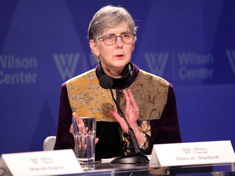
Ellen Starbird: Sexual and Reproductive Health and Rights Undergird Success of SDGs
›“Advancing reproductive health and family planning can positively influence and advance a number of sustainable development priorities,” says Director of USAID’s Office of Population and Reproductive Health Ellen Starbird in this week’s podcast.
-
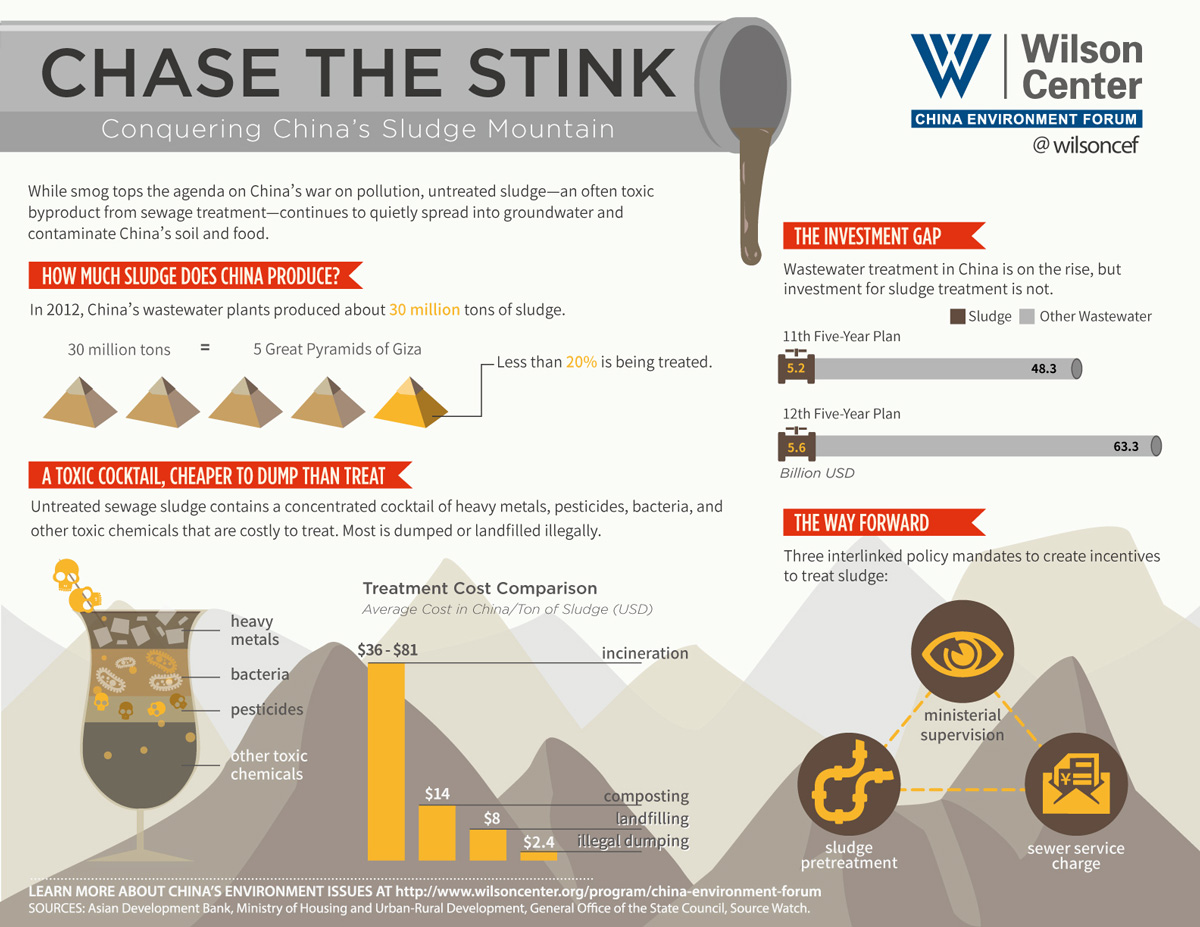
Infographic: Conquering China’s Sludge Mountains
›While Chinese officials make full frontal regulatory attacks on smog, untreated sludge, an often toxic byproduct from sewage treatment, continues to quietly spread into groundwater and contaminate soil and food.
-
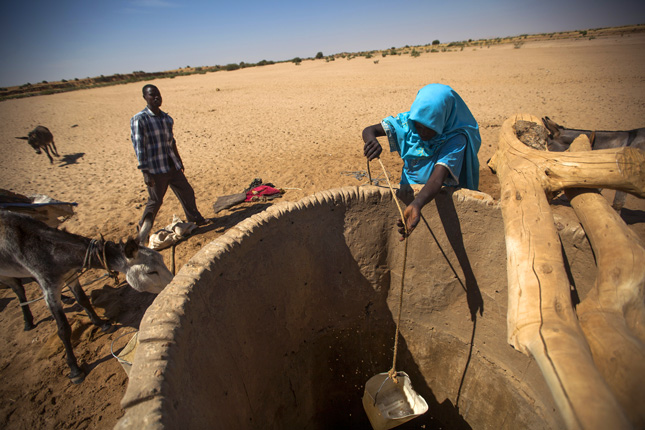
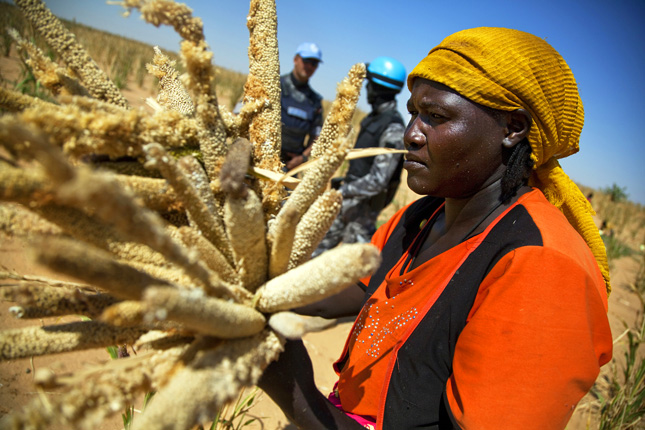
Interview With Michael Brown, UN Senior Mediation Expert in Natural Resources and Land Conflicts
›April 8, 2015 // By Linnea BennettNatural resources rarely feature during peacebuilding efforts, but there is growing evidence that’s a mistake. Unresolved natural resource management issues can make peace more fragile, while addressing them can act as a bridge toward cooperation.
-
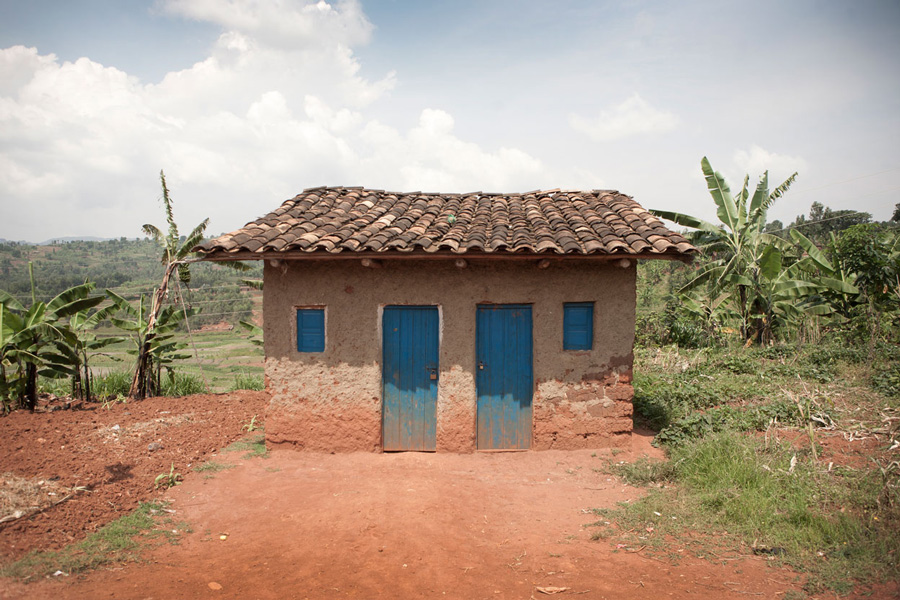
Not Enough to Go Around? Tensions Over Land Threaten to Boil Over in Burundi
›“Alphonse, however, had not come to talk. Without saying a word, he raised a machete and brought it down onto his uncle’s skull.”
-
High Stakes: Understanding Risk and Why This Year’s Climate Negotiations Are So Important
›Expectations for the upcoming UN climate change summit in Paris are higher than they’ve been in years. Experts expect it will be the best chance to achieve a binding, universal agreement to limit carbon emissions. But the conference is still not getting the attention it deserves from policymakers and the public, given the stakes – and not just for the environment but for the international system writ large, said Nick Mabey, founding director and chief executive of the UK-based environmental NGO E3G at the Wilson Center on February 12.
-
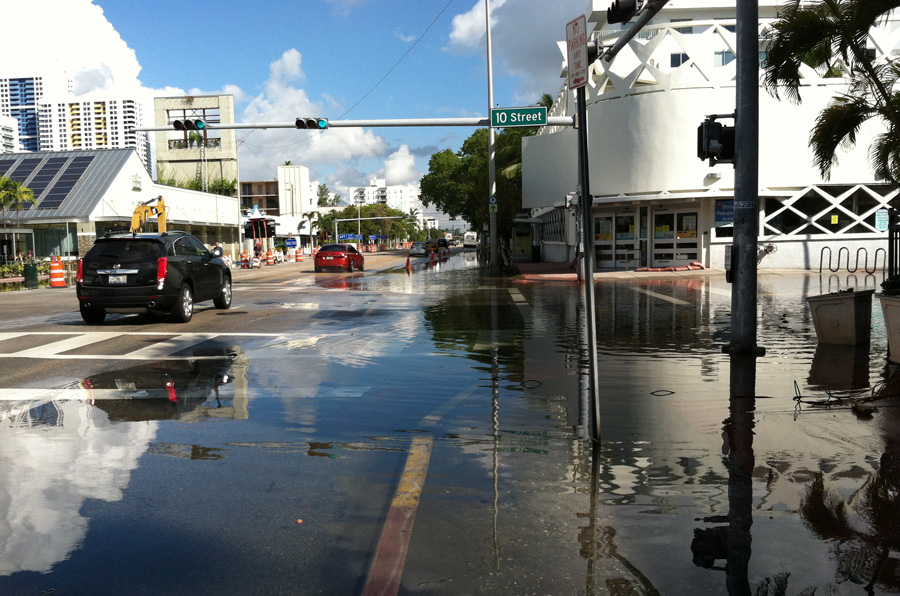
Big Money, Big Politics, and Big Infrastructure: Florida’s Saga Illustrates Climate Change’s Deep Challenges
›Investigative journalists reported earlier this month that top appointees at Florida’s Department of Environmental Protection and other state agencies ordered employees not to use the terms “climate change” or “global warming” in official communications. Politically coded euphemisms such as “climate drivers” and “climate variability” were to be used instead. “Sea-level rise” was to be replaced with “nuisance flooding.” The news swiftly went viral, with commentators noting the irony of such censorship occurring in Florida – essentially ground zero for climate change in the Global North.
Showing posts from category featured.