• woodrow wilson center
  • ecsp

New Security Beat

Subscribe:
  • rss
  • mail-to
  • Who We Are
  • Topics
    • Population
    • Environment
    • Security
    • Health
    • Development
  • Columns
    • China Environment Forum
    • Choke Point
    • Dot-Mom
    • Friday Podcasts
    • Navigating the Poles
    • Reading Radar
  • Multimedia
    • Water Stories (Podcast Series)
    • Backdraft (Podcast Series)
    • Tracking the Energy Titans (Interactive)
  • Films
    • Water, Conflict, and Peacebuilding (Animated Short)
    • Paving the Way (Ethiopia)
    • Broken Landscape (India)
    • Scaling the Mountain (Nepal)
    • Healthy People, Healthy Environment (Tanzania)
  • Publications
  • Events
  • Contact Us

NewSecurityBeat

The blog of the Wilson Center's Environmental Change and Security Program
Showing posts from category featured.
  • Reporters Predict Contentious Year Ahead for Environment and Energy

    ›
    From the Wilson Center  //  February 18, 2015  //  By Sarah Meyerhoff
    climate-bear

    With the Obama Administration moving forward on emissions reductions, the deadline for drafting the Sustainable Development Agenda, and a highly anticipated global climate summit in Paris, 2015 promises to be a crucial year for climate policy. “In many ways, last year was the year of building momentum, and this is the year of getting the work done,” said Lisa Friedman, deputy editor of ClimateWire, at the Wilson Center on January 5. [Video Below]

    MORE
  • Conflict and Climate Change Collide in Assam as Trafficking Thrives

    ›
    Guest Contributor  //  February 17, 2015  //  By Priyali Sur
    assam2

    The story of Uma Tudu captures the endless cycle of poverty, violence, and suffering faced by too many girls in the northeastern Indian state of Assam.* At 16, following floods that destroyed her village, she traveled more than 1,600 kilometers to Delhi, lured by the promise of a good job and a good life. Instead she was sold as bonded labor.

    MORE
  • Re-Thinking Climate Interventions in Fragile and Conflict-Affected States: Insights From Nepal

    ›
    Guest Contributor  //  February 12, 2015  //  By Clémence Finaz & Janani Vivekananda
    Nepal-tree2

    While much of the debate around climate financing focuses on “how much,” an equally important question is “how?”

    MORE
  • Youth Bulge, Exclusionary Regimes, and the Islamic State’s Big Mistake

    ›
    Guest Contributor  //  February 10, 2015  //  By Jack A. Goldstone
    Jordan-vigil2

    Last week, the Islamic State’s ignorance of the role of demography in their local success may have led them to overplay their hand. Seeking to dissuade Jordanians from following their government in actively supporting the alliance arrayed against them, they executed a captured Jordanian pilot in horrendous fashion, burning him alive. Yet Jordan is not like Syria or Iraq, where violence against westerners or Shi’a or other minorities has helped split people from their allegiance to the government. Instead, this act of violence seems to have unified Jordan’s Sunnis against the Islamic State for their actions against a fellow Sunni Muslim. Jordan has expanded its assault, striking dozens of targets in Iraq for the first time.

    MORE
  • New Markets Meet Old Grievances: The Fight Over Biofuels in Kenya’s Tana River Delta

    ›
    Guest Contributor  //  February 9, 2015  //  By Kate Neville
    Orma-cattle

    Stepping away from herds of cattle, subsistence farms, and other responsibilities at home, roughly a hundred Kenyan villagers traveled overnight by bus from the Tana River Delta to Nairobi in February 2011 for a hearing at the national high court. The claimants declared that the lack of a “comprehensive land use master plan” infringed on the rights of the region’s people, and called for the prohibition of further land and resource development until such a plan was negotiated.

    MORE
  • Integrated Development, Focus on Empowerment Builds Resilience in Nepal

    ›
    From the Wilson Center  //  February 5, 2015  //  By Sarah Meyerhoff
    Nepal-woman

    From the mountains and foothills of the Himalayas to the Terai plains, climate change is rapidly changing life in Nepal. Many communities however, are not strangers to environmental stress; for decades, rapid population growth alongside agriculture and fuelwood collection have degraded land and diminished forests. [Video Below]

    MORE
  • Report: Damming of Lake Turkana Could Leave Thousands Without Water, Provoke Tribal Conflict

    ›
    Eye On  //  February 3, 2015  //  By Linnea Bennett

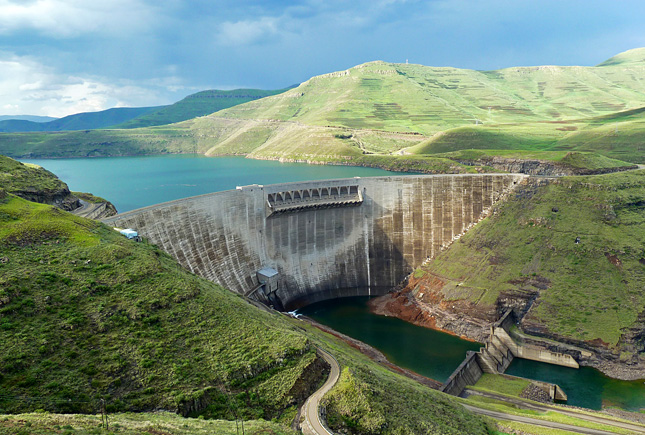
    The damming of a river that feeds the world’s largest desert lake could lead not only to less drinking water for thousands of Kenyans, but international conflict between tribes for what little water remains.

    MORE
  • Are We Keeping up With Asia’s Urbanization?

    ›
    Guest Contributor  //  February 2, 2015  //  By Steven Gale
    Victoria-Peak

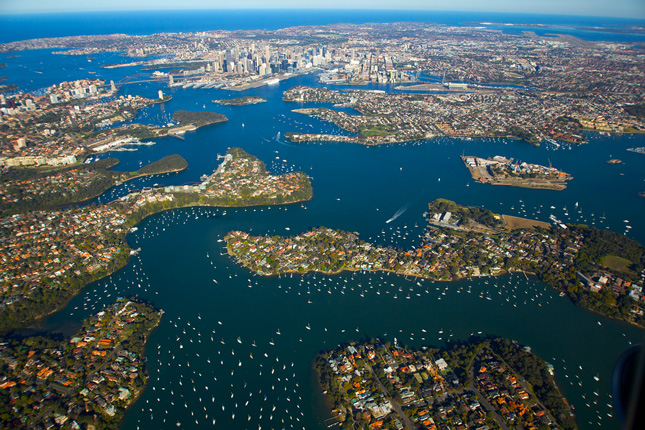
    There is widespread agreement, and untold publications, that argue urbanization is the defining issue of our time. There are more cities, both large and small, and more people living in those cities than anytime in human history.

    MORE
Newer Posts   Older Posts
View full site

Join the Conversation

  • RSS
  • subscribe
  • facebook
  • G+
  • twitter
  • iTunes
  • podomatic
  • youtube
Tweets by NewSecurityBeat

Trending Stories

  • unfccclogo1
  • Pop at COP: Population and Family Planning at the UN Climate Negotiations

Featured Media

Backdraft Podcast

play Backdraft
Podcasts

More »

What You're Saying

  • Volunteers,At,The,Lagos,Food,Bank,Initiative,Outreach,To,Ikotun, Pan-African Response to COVID-19: New Forms of Environmental Peacebuilding Emerge
    Rashida Salifu: Great piece 👍🏾 Africa as a continent has suffered this unfortunate pandemic.But it has also...
  • A desert road near Kuqa An Unholy Trinity: Xinjiang’s Unhealthy Relationship With Coal, Water, and the Quest for Development
    Ismail: It is more historically accurate to refer to Xinjiang as East Turkistan.
  • shutterstock_1779654803 Leverage COVID-19 Data Collection Networks for Environmental Peacebuilding
    Carsten Pran: Thanks for reading! It will be interesting to see how society adapts to droves of new information in...

What We’re Reading

  • Rising rates of food instability in Latin America threaten women and Venezuelan migrants
  • Treetop sensors help Indonesia eavesdrop on forests to cut logging
  • 'Seat at the table': Women's land rights seen as key to climate fight
  • A Surprise in Africa: Air Pollution Falls as Economies Rise
  • Himalayan glacier disaster highlights climate change risks
More »
  • woodrow
  • ecsp
  • RSS Feed
  • YouTube
  • Twitter
  • Facebook
  • Home
  • Who We Are
  • Publications
  • Events
  • Wilson Center
  • Contact Us
  • Print Friendly Page

© Copyright 2007-2021. Environmental Change and Security Program.

Woodrow Wilson International Center for Scholars. All rights reserved.

Developed by Vico Rock Media

Environmental Change and Security Program

Woodrow Wilson International Center for Scholars

Ronald Reagan Building and International Trade Center

  • One Woodrow Wilson Plaza
  • 1300 Pennsylvania Ave., NW
  • Washington, DC 20004-3027

T 202-691-4000